 78 citations
,
June 2005 in “Annals of oncology”
78 citations
,
June 2005 in “Annals of oncology” Cetuximab can cause excessive eyelash growth.
 42 citations
,
April 2012 in “Seminars in Oncology”
42 citations
,
April 2012 in “Seminars in Oncology” Targeted cancer therapies often cause skin problems that need careful management to improve patient quality of life and treatment success.
39 citations
,
March 2009 in “Dermatology Online Journal” Understanding EGFR roles could lead to new hair loss treatments.
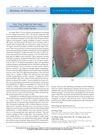 35 citations
,
May 2008 in “Journal of Clinical Oncology”
35 citations
,
May 2008 in “Journal of Clinical Oncology” A cancer patient died from a severe skin reaction after taking the drug cetuximab.
 32 citations
,
June 2012 in “PLoS ONE”
32 citations
,
June 2012 in “PLoS ONE” Blocking IL-8 can reduce skin rashes from cancer treatment.
 30 citations
,
August 2010 in “American Journal of Clinical Dermatology”
30 citations
,
August 2010 in “American Journal of Clinical Dermatology” Cetuximab can cause eyelash growth, which is rare but manageable.
29 citations
,
January 2012 in “Chemical immunology/Fortschritte der Allergielehre/Progress in allergy/Chemical immunology and allergy” New cancer drugs often cause skin and nail problems.
 26 citations
,
October 2018 in “Clinical & Translational Oncology”
26 citations
,
October 2018 in “Clinical & Translational Oncology” Spanish experts provided guidelines for treating skin side effects in cancer patients on new therapies, stressing early action and teamwork.
21 citations
,
June 2017 in “Case Reports in Dermatology” Reducing gefitinib dosage improved hair loss, but scarring remained.
 20 citations
,
July 2013 in “PLoS ONE”
20 citations
,
July 2013 in “PLoS ONE” Targeting EGFR may help reduce hair loss from chemotherapy.
 19 citations
,
October 2011 in “Clinics in Dermatology”
19 citations
,
October 2011 in “Clinics in Dermatology” New chemotherapy drugs cause skin side effects, but treatments like minocycline and tetracycline can help reduce them.
19 citations
,
October 2008 in “Expert Review of Dermatology” EGF receptor is crucial for skin health and its inhibitors can cause skin rashes.
15 citations
,
October 2014 in “The journal of investigative dermatology/Journal of investigative dermatology” Erlotinib causes skin inflammation through IL-1, which can be reduced by anakinra.
 15 citations
,
February 2017 in “Nursing Clinics of North America”
15 citations
,
February 2017 in “Nursing Clinics of North America” Targeted cancer therapies can cause skin side effects, which should be treated early to help patients' quality of life and treatment adherence.
12 citations
,
May 2015 in “Journal of the National Comprehensive Cancer Network” Doctors should actively prevent and treat skin side effects in cancer patients to keep them on the best medication and reduce discomfort.
 7 citations
,
November 2021 in “Anais Brasileiros de Dermatologia”
7 citations
,
November 2021 in “Anais Brasileiros de Dermatologia” Skin side effects from cancer treatments can lead to changes in therapy and are common, with nail changes being the most frequent.
 7 citations
,
May 2014 in “Clinical practice”
7 citations
,
May 2014 in “Clinical practice” Cooling the scalp may prevent hair loss from chemotherapy, hair often grows back after treatment, and nail issues usually improve after stopping the drug.
 4 citations
,
January 2016 in “Dermatology Review”
4 citations
,
January 2016 in “Dermatology Review” Cancer treatments often cause skin, nail, and hair problems.
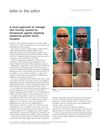 4 citations
,
March 2012 in “Annals of oncology”
4 citations
,
March 2012 in “Annals of oncology” New treatment with green tea polyphenols and nicotinamide improves skin problems from cancer therapy.
 4 citations
,
January 2012 in “Chemical Immunology”
4 citations
,
January 2012 in “Chemical Immunology” Some drugs, especially biologics, can cause skin reactions that look like other skin diseases, and stopping the drug usually helps clear up these reactions.
2 citations
,
May 2008 in “Journal of Clinical Oncology” AZD6244 treatment causes skin aging effects by depleting skin stem cells.
 2 citations
,
October 2018 in “Springer eBooks”
2 citations
,
October 2018 in “Springer eBooks” Cancer treatments can cause skin-related side effects that may affect patient quality of life and require changes in treatment.
 2 citations
,
January 2018 in “Elsevier eBooks”
2 citations
,
January 2018 in “Elsevier eBooks” Targeted therapies for lung cancer are effective but require careful management of side effects to benefit patients.
 2 citations
,
October 2016
2 citations
,
October 2016 Chemotherapy and radiotherapy can cause skin side effects like rashes, hair loss, and nail changes, which are usually managed with conservative treatments.
2 citations
,
December 2015 in “DOAJ (DOAJ: Directory of Open Access Journals)” Targeted anticancer therapies often cause skin issues, affecting treatment adherence and quality of life.
 1 citations
,
January 2023 in “Przegląd Dermatologiczny”
1 citations
,
January 2023 in “Przegląd Dermatologiczny” A man's severe skin reaction from cancer treatment improved with early diagnosis and proper medication.
 1 citations
,
April 2025 in “Clinical Cosmetic and Investigational Dermatology”
1 citations
,
April 2025 in “Clinical Cosmetic and Investigational Dermatology” Erlotinib can cause scalp pustules and hair loss, needing early treatment with antibiotics and steroids.
1 citations
,
February 2020 in “The Journal of clinical investigation/The journal of clinical investigation” Certain cancer drugs interact with skin bacteria to cause acne-like rashes.
 1 citations
,
March 2019 in “Actas Dermo-Sifiliográficas”
1 citations
,
March 2019 in “Actas Dermo-Sifiliográficas” New cancer treatments are less harmful to hair but can still cause hair loss, color, shape, and growth changes.
 April 2023 in “The journal of investigative dermatology/Journal of investigative dermatology”
 Blocking EGFR can lead to hair loss due to inflammation and stem cell damage.