 January 2017 in “Dermatology Review”
 Skin issues from chronic graft-versus-host disease greatly affect daily life, needing teamwork between blood and skin doctors.
 January 2017 in “Clinical approaches and procedures in cosmetic dermatology”
 Cosmetic procedures can harm hair, but damage can be minimized with knowledge and care; however, once hair is damaged, it cannot be reliably repaired.
 January 2017 in “Clinical approaches and procedures in cosmetic dermatology”
 Retinoids are effective for skin conditions like severe acne and psoriasis but must be used with caution due to potential side effects and risks during pregnancy.
 December 2016 in “British Journal of Dermatology”
 The meeting highlighted the importance of genetic testing and multidisciplinary approaches in pediatric dermatology.
 June 2016 in “CRC Press eBooks”
 Sleep problems and skin issues affect each other; poor sleep can worsen skin conditions, and some skin treatments can improve or harm sleep quality.
 April 2016 in “Journal of the American Academy of Dermatology”
 Dermoscopy helped correctly diagnose a skin condition that was previously misidentified as a different hair loss disease.
 December 2015 in “Biomedical and biopharmaceutical research”
 Argan oil makes hair care products spread better and improves their texture.
 December 2015 in “Journal of Psoriasis and Psoriatic Arthritis”
 A patient experienced long-lasting hair loss after using acitretin for psoriasis.
 September 2015 in “Actas Dermo-Sifiliográficas”
 People with advanced chronic kidney disease often have skin problems, which can be treated with various medications and procedures to improve their quality of life.
 September 2014 in “Journal der Deutschen Dermatologischen Gesellschaft”
 Diabetes can cause a variety of skin disorders, some of which may signal more serious health issues.
 January 2014 in “HAL (Le Centre pour la Communication Scientifique Directe)”
 Sex hormones affect dog skin conditions, but more data is needed.

Chemotherapy can cause skin issues and hair loss, and this guide explains how to manage them.
 March 2012 in “Pathy's Principles and Practice of Geriatric Medicine”
 Older adults often have skin problems due to aging, and treating these conditions requires attention to both physical and mental health.
 June 2010 in “Melanoma research”
 LDE225 is a promising skin-applied treatment for basal cell carcinoma with good skin penetration and effectiveness.
 September 2009 in “Pediatric Dermatology”
 UVB is good for a skin condition in Asian kids, a lotion works for head lice, a drug helps with a skin blistering disorder, a foam reduces itchiness in skin inflammation, birthmarks can be more widespread, and criteria for a neurocutaneous disorder were agreed upon.
 August 2009 in “Expert Review of Dermatology”
 Pregnancy can cause skin changes and conditions that need correct diagnosis and treatment for the health of the mother and baby.
 January 2009 in “Springer eBooks”
 The document concludes that managing skin conditions during pregnancy is important and requires specialized care.
 June 2008 in “Springer eBooks”
 The document concludes that permanent hair loss conditions are complex, require early specific treatments, and "secondary permanent alopecias" might be a more accurate term than "secondary cicatricial alopecia."
 June 2006 in “British Journal of Dermatology”
 The document reports unique growth lines in a child after Stevens-Johnson syndrome, skin reaction from parsnips and sun in a girl, and itchy skin with xanthomas in a boy with Alagille syndrome.
 July 2003 in “British Journal of Dermatology”
 Some skin conditions are associated with other serious diseases, and office microscopy may miss many fungal infections.
 January 2003 in “Springer eBooks”
 Children with diabetes often have skin problems, which can be better managed with good blood sugar control.
 May 2002 in “British Journal of Dermatology”
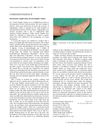
 A pregnant woman's skin condition improved after giving birth, possibly due to high estrogen levels during pregnancy.
 August 1994 in “Drugs & Therapy Perspectives”
 Psoriasis treatments range from topical creams to systemic medications with serious side effects, and while treatments can manage symptoms, there is no cure.
 September 1983 in “Journal of The American Academy of Dermatology”
 Experts discussed hair care, genetic hair defects, hair loss treatments, nail surgery, lupus treatments, skin infections, and cosmetic allergies.
 July 1980 in “Journal of The American Academy of Dermatology”
 The conference concluded that understanding hair and nail disorders is important, iron deficiency may be linked to hair loss, and while some treatments for skin conditions are effective, they may have risks and high costs.
 May 2004 in “Pediatric Dermatology”
 Atopic dermatitis may have genetic causes and can be treated with pharmacologic methods, glycerin creams, and controlling Staphylococcus aureus colonization.
 February 2021 in “Dermatologic Therapy”
 Injections improve hair growth, density, and thickness in women safely.
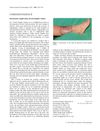 May 2002 in “British Journal of Dermatology”
 Hair loss caused by longer latent hair cycle and sudden miniaturization, not gradual follicle size reduction.
 8 citations
,
December 2021 in “Military Medical Science Letters”
8 citations
,
December 2021 in “Military Medical Science Letters” Nanoemulgel is a promising method for delivering drugs, especially for those that don't dissolve well in water.
5 citations
,
April 2022 in “IntechOpen eBooks” Nanoemulgel is a better way to deliver drugs through the skin for various conditions.