 August 2021 in “Revista Colombiana de Reumatología/Revista Colombiana de Reumatologia”
 Janus kinase inhibitors may effectively treat severe alopecia areata unresponsive to other treatments.
 August 2021 in “Benha Journal of Applied Sciences”
 Stress can trigger and worsen vitiligo.
June 2021 in “DOAJ (DOAJ: Directory of Open Access Journals)” JAK inhibitors show promise for treating alopecia areata but their effectiveness and safety are still debated.
 March 2021 in “CRC Press eBooks”
 Physical exams are important in hair loss diagnosis, considering cosmetic history, systemic diseases, and classifying alopecia types.
 March 2021 in “CRC Press eBooks”
 Hair loss can cause and be caused by psychological issues.
 January 2021 in “Mastology”
 Scalp cooling therapy helped over 80% of women keep at least half their hair during chemotherapy.
June 2020 in “Research Square (Research Square)” Oral contraceptives with CPA improve overall quality of life for women with PCOS.

30% supramolecular salicylic acid is safe and effective for treating mild to moderate facial acne.
March 2020 in “Annals of internal medicine” Monitor methotrexate side effects, research cannabis treatments, and use mycophenolate mofetil for lupus nephritis.
 January 2020 in “Молодий вчений”
 B(III) blood type may have higher hemoglobin levels, but stress affects this, and hair iron levels correlate with hemoglobin in some blood types.
 May 2019 in “Paediatrics and child health”
 The document concludes that personalized treatment, including lifestyle changes and medication, is essential for managing PCOS in teenagers, while also addressing their psychological well-being.
January 2019 in “Zenodo (CERN European Organization for Nuclear Research)” Diffuse hair loss in women is often linked to anemia, thyroid issues, and conditions like polycystic ovarian disease.
 January 2019 in “Indian Dermatology Online Journal”
 Stress, hypothyroidism, drug intake, and anemia are important factors in women's diffuse hair loss.
Siddha treatment helps prevent hair loss and promotes growth using natural methods.
 December 2017 in “Journal of Medical Science And clinical Research”
 The PCOS questionnaire is valid for Indian women, but metformin doesn't significantly improve symptoms beyond oral contraceptives.
February 2017 in “Zenodo (CERN European Organization for Nuclear Research)” Psoriasis is a common skin disorder caused by immune system issues, treatable with various therapies.
 September 2016 in “Gynecology Obstetrics and Reproductive Medicine”
 Effective treatment for skin issues in women with PCOS includes oral contraceptives, antiandrogens, and other medications and procedures.
 January 2016 in “Georg Thieme Verlag eBooks”
 Facelift surgery has evolved to focus on natural results and safety, with patient selection and postoperative care being key to success.
 January 2015 in “Hair therapy & transplantation”
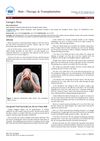
 Hair restoration greatly improved George's confidence and self-identity.
 January 2014 in “International Journal of Athletic Therapy and training”
 A female runner's hair loss was caused by stress from surgery and recovery, but her hair returned to normal in 5 months.
Multicultural festivals help promote social harmony and integration in diverse societies.
 October 2010 in “Journal of Men's Health”
 The conclusion is that doctors should be careful when prescribing 5α-reductase inhibitors due to possible serious side effects, and they should discuss these risks with patients.
January 2008 in “International Journal of Trichology” Psychological factors can cause hair and scalp problems.
 February 2006 in “Journal of The American Academy of Dermatology”
 Terbinafine is more effective than itraconazole for toenail fungus, especially in older patients, and debridement improves its effectiveness.

CRPS I is complex, linked to immune and nerve issues, and needs comprehensive treatment.
 February 1999 in “Strength and Conditioning Journal”
 Androstenedione, a hormone supplement, doesn't improve muscle or performance and can cause harmful side effects.
 January 1998 in “Current Therapeutics”
 Different causes of hair loss require specific treatments, and most men and women will experience some form of hair thinning as they age.
 April 1969 in “Postgraduate medicine”
 Use corticosteroid cream and triamcinolone injections for treating alopecia areata, and consider wigs and tranquilizers for support.
October 1966 in “Archives of Dermatology” A 19-year-old female with alopecia universalis experienced total hair loss, and previous treatments were ineffective.

Alopecia areata often starts around age 23, can be permanent in 30% of cases, and treatments are usually temporary.