 1 citations
,
December 2006 in “Burns”
1 citations
,
December 2006 in “Burns” New therapies for burn wounds show promise in reducing pain, infection risk, and improving healing and physical outcomes.
10 citations
,
December 2017 in “Physiological Reports” Hair follicle analysis can track body changes from high-intensity interval training.
March 2023 in “Journal of Student Research” Humans likely became hairless to better regulate body temperature.
7 citations
,
December 2010 in “대한의생명과학회지” Hair growth after depilation increases skin thickness, mast cell counts, and cell activity.
 26 citations
,
February 2020 in “Frontiers in genetics”
26 citations
,
February 2020 in “Frontiers in genetics” The CORT, FGF5, and CD36 genes are crucial for the cold weather adaptation of Yanbian cattle.
 7 citations
,
January 2022 in “Anais Da Academia Brasileira De Ciencias”
7 citations
,
January 2022 in “Anais Da Academia Brasileira De Ciencias” Essential oils from Hedychium spicatum have potential for developing natural drugs with pain-blocking, fever-reducing, anti-inflammatory, and antioxidant properties.
 11 citations
,
August 2016 in “Journal of dermatological treatment”
11 citations
,
August 2016 in “Journal of dermatological treatment” Tip cryotherapy effectively treats idiopathic guttate hypomelanosis with minimal side effects.
8 citations
,
February 1968 in “Australian Journal of Zoology” The southern elephant seal's skin layer helps waterproof the skin by being tightly connected to hair shafts.
 January 2000 in “Time to knit”
 SFE is a better extraction method, and the HPTLC method is effective for analyzing wedelolactone in E. alba.
1 citations
,
December 2024 in “BMC Genomics” Nuptial pads in Chinese brown frogs change seasonally due to specific gene activity.
1 citations
,
August 2010 in “Journal of dermatology” Photoepilation significantly reduces hair, and phototrichograms can objectively measure its effectiveness.
70 citations
,
March 2002 in “Journal of Burn Care & Rehabilitation” HB-EGF and TGF-α help heal burns by boosting skin cell growth.
10 citations
,
March 2024 in “Frontiers in Bioengineering and Biotechnology” Photothermal hydrogels can kill bacteria and help heal tissue using light-converted heat.
 May 2025 in “Frontiers in Veterinary Science”
 Cashmere quality differences are due to gene expression variations affecting hair development and adaptation to cold.
 31 citations
,
September 1999 in “Dermatologic Surgery”
31 citations
,
September 1999 in “Dermatologic Surgery” Cooling hair micrografts during transplantation does not improve their survival or growth.
March 2025 in “International Journal of Trichology” Storing hair follicles in 10% DMEM at 37°C improves hair transplant success.
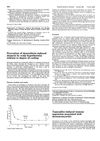 53 citations
,
June 1982 in “The BMJ”
53 citations
,
June 1982 in “The BMJ” Cooling the scalp below 22°C before and during chemotherapy can help prevent hair loss.
 1 citations
,
October 2025 in “Nano Research”
1 citations
,
October 2025 in “Nano Research” A new microneedle patch effectively treats atopic dermatitis by reducing skin stress and restoring immune balance.
86 citations
,
August 2000 in “Pigment cell research” Melanocyte activity in hair follicles is linked to the hair growth cycle, being active in growth phases and inactive in rest phases.
January 2025 in “Зоологический журнал / Russian Journal of Zoology” Baikal seals' skin shows normal adaptations and potential pathologies possibly linked to climate change and a viral pathogen.

Kombucha tea extract may protect skin from damage in hot and humid conditions.
June 2026 in “New Phytologist” Iron-dependent hormones help wheat roots adapt to temperature stress.
17 citations
,
May 2023 in “Pharmaceutics” Microneedles can precisely deliver cancer treatments with fewer side effects.
9 citations
,
April 2025 in “Psychoneuroendocrinology” The occipital region is best for measuring cortisol and cortisone, while the posterior vertex is better for OEA, SEA, and PEA.
4 citations
,
January 2019 in “Tropical animal health and production” Nipple area expansion in mice needs both pregnancy hormones and mechanical strain.
2 citations
,
January 1975 in “Archives of Dermatological Research” Certain enzymes react strongly with some hormones in rat skin during hair growth, mainly in sebaceous glands and hair sheaths.
January 2011 in “Intas Polivet” Honey and banana leaves can help treat burns in cows.
June 2024 in “European neuropsychopharmacology”