 12 citations
,
December 2020 in “Archives animal breeding/Archiv für Tierzucht”
12 citations
,
December 2020 in “Archives animal breeding/Archiv für Tierzucht” EDA and EDAR are important for hair follicle development in cashmere goats and affect other related genes.
July 2026 in “Journal of the American Academy of Dermatology” October 2013 in “DOAJ (DOAJ: Directory of Open Access Journals)” 45 citations
,
July 2025 in “Journal of Medicinal Chemistry” Vepdegestrant may become the first FDA-approved PROTAC degrader, marking a new era in drug development.
 1 citations
,
June 2022 in “JAAD case reports”
1 citations
,
June 2022 in “JAAD case reports” A woman developed a severe skin reaction after getting a birth control implant.
36 citations
,
March 2011 in “Stem Cell Reviews and Reports” January 2004 in “Indian Journal of Nephrology” 1 citations
,
January 2022 in “Clinical Cases in Dermatology” A rare scalp condition was successfully treated with specific medications after 9 months.
 59 citations
,
April 2016 in “Cell Reports”
59 citations
,
April 2016 in “Cell Reports” EdnrB signaling helps melanocyte stem cells regenerate and could be targeted to treat pigmentation issues.
150 citations
,
June 1999 in “Oncogene” July 2004 in “Transplantation” Iron deficiency is common in kidney transplant patients, and while iron treatment helps, it can cause high red blood cell levels.
 11 citations
,
January 2008 in “International journal of environment and health”
11 citations
,
January 2008 in “International journal of environment and health” Children are at risk of health issues from exposure to platinum group elements from car exhausts.
 August 2018 in “Journal of The American Academy of Dermatology”
 A 16-year-old girl's skin rash was likely caused by an infection and improved with topical steroids.
 October 2025 in “BMC Pediatrics”
 Timely zinc treatment is crucial for preventing severe complications in Acrodermatitis enteropathica.
 March 2024 in “Plant physiology”
 GLABRA 2 controls ethylene production to help root hair growth during nutrient deficiency.
 30 citations
,
June 2014 in “Seminars in Immunology”
30 citations
,
June 2014 in “Seminars in Immunology” Future research on ectodysplasin should explore its role in diseases, stem cells, and evolution, and continue developing treatments for genetic disorders like hypohidrotic ectodermal dysplasia.
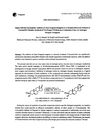 14 citations
,
February 1994 in “Tetrahedron Letters”
14 citations
,
February 1994 in “Tetrahedron Letters” Adding cerium(III) chloride to Grignard reagents improves the making of compounds that could treat prostate issues and hair loss.
1 citations
,
March 2023 in “Journal of the American College of Cardiology”  September 2024 in “Journal of the American Academy of Dermatology”
 AH-001 could be a safer and more effective treatment for hair loss.
August 2015 in “Europe PMC (PubMed Central)”  September 2024 in “Journal of Cosmetic Dermatology”
 Ectoin helps prevent cortisone-induced skin problems and supports skin health.
 January 2026 in “BMC Veterinary Research”
 A genetic variant in "Blonde d'Aquitaine" calves causes death at birth due to a missing protein.
1 citations
,
January 2010 in “INTAS POLIVET” Two German shepherds with acute prostatitis were successfully treated with medication.
 3 citations
,
September 2005 in “Experimental dermatology”
3 citations
,
September 2005 in “Experimental dermatology” The cornified envelope is crucial for skin's barrier function and involves key proteins and genetic factors.
 1 citations
,
July 2023 in “Communications biology”
1 citations
,
July 2023 in “Communications biology” Removing Mediator 1 from certain mouse cells causes teeth to grow hair instead of enamel.
August 2001 in “Dermatologic Surgery” Elliptografting gives better hair appearance and satisfaction than other methods.
26 citations
,
June 2020 in “The Journal of Allergy and Clinical Immunology In Practice” A patient developed a severe skin reaction and died after taking hydroxychloroquine for COVID-19.
10 citations
,
November 2009 in “Pigment cell & melanoma research” The document concludes that MGRN1 affects mouse fur color by interfering with a receptor's signaling, but its full role in the body is still unknown.