 10 citations
,
May 2014 in “The Journal of Steroid Biochemistry and Molecular Biology”
10 citations
,
May 2014 in “The Journal of Steroid Biochemistry and Molecular Biology” Allopregnanolone increases KCC2 expression in baby male rats' brains, while finasteride doesn't affect it.
 66 citations
,
July 2007 in “Journal of Molecular Medicine”
66 citations
,
July 2007 in “Journal of Molecular Medicine” Stress increases certain chemicals in the skin and nerves, which might worsen skin conditions.
 4 citations
,
December 2021 in “Archivio italiano di urologia andrologia”
4 citations
,
December 2021 in “Archivio italiano di urologia andrologia” Certain drugs, especially antiandrogens and spironolactone, significantly increase the risk of gynecomastia.
 May 2026 in “AAPS PharmSciTech”
 PEGylated flavonoid Aspasomes improve brain protection and memory in stress-related disorders.
July 2026 in “Journal of the American Academy of Dermatology” The lotion helps manage mild to moderate hair loss.
December 2013 in “Estudo Geral (Universidade de Coimbra)” Modified steroidal inhibitors showed promise in treating hormone-dependent cancers.
 January 2021 in “Scandinavian journal of clinical and laboratory investigation”
 The document describes a way to measure biotin in blood to prevent wrong test results in hormone level testing.
May 2021 in “Medicina internă” High-dose corticosteroid treatment helped improve symptoms in a patient with Adult Onset Still Disease.
4 citations
,
August 2020 in “bioRxiv (Cold Spring Harbor Laboratory)” The tool iCOUNT helps understand how stem cells divide and affect tissue development and repair.
 66 citations
,
December 2018 in “Dermatology”
66 citations
,
December 2018 in “Dermatology” Both ruxolitinib and tofacitinib are effective and safe for treating severe alopecia areata, but relapses are common.
Oral contraceptives can affect skin and hair, improve acne, but may cause pigmentation, dermatitis, and other conditions.
January 2025 in “Archivio istituzionale della ricerca (Alma Mater Studiorum Università di Bologna)” Skin patting and iontophoresis with dutasteride gel improved hair growth in people with androgenetic alopecia.
117 citations
,
February 1996 in “International Journal of Dermatology” A 300 mg monthly pulse of prednisolone effectively and safely treats widespread alopecia areata.
2 citations
,
September 2025 in “Frontiers in Pharmacology” Empagliflozin helps heal diabetic wounds in rats by reducing inflammation and oxidative stress.
 61 citations
,
April 2014 in “The Journal of Steroid Biochemistry and Molecular Biology”
61 citations
,
April 2014 in “The Journal of Steroid Biochemistry and Molecular Biology” Finasteride affects brain and blood steroids, causing lasting sexual and emotional side effects.
 1 citations
,
March 1999 in “British journal of rheumatology”
1 citations
,
March 1999 in “British journal of rheumatology” Adequate steroid treatment needed to limit bone loss in PMR patients.
4 citations
,
June 1963 in “Archives of Dermatology” Prednisolone can quickly regrow hair in alopecia universalis, but hair falls out after stopping it.
61 citations
,
September 2011 in “Pain” PEA reduces pain by increasing neurosteroid synthesis in the spinal cord.
 17 citations
,
August 2007 in “Bioorganic & Medicinal Chemistry Letters”
17 citations
,
August 2007 in “Bioorganic & Medicinal Chemistry Letters” A compound made by Pfizer can potentially stimulate hair growth and reduce oil production, making it a good candidate for topical use.
 June 2023 in “Current Issues in Molecular Biology”
 DN106212, an extract from a plant, is better at promoting hair growth than other tested substances by affecting hair growth factors and follicle development.
 April 2023 in “Journal of Investigative Dermatology”
 Baricitinib at 2mg and 4mg doses improved work productivity and reduced costs for adults with atopic dermatitis.
415 citations
,
January 2008 in “Cell” NFATc1 controls hair stem cell activity, affecting hair growth and could be a target for hair loss treatments.
 55 citations
,
October 2019 in “Dermatology and therapy”
55 citations
,
October 2019 in “Dermatology and therapy” Drugs targeting the JAK/STAT pathway can improve atopic dermatitis but vary in effectiveness for vitiligo and alopecia areata, with generally mild safety concerns.
123 citations
,
June 2006 in “Journal of Neurobiology” Progesterone protects brain cells, but Provera does not.
 February 2026 in “Clinical Drug Investigation”
 Baricitinib significantly improves nail and hair symptoms in severe alopecia areata.
August 2006 in “JNCI Journal of the National Cancer Institute”  53 citations
,
June 1993 in “Proceedings of the National Academy of Sciences of the United States of America”
53 citations
,
June 1993 in “Proceedings of the National Academy of Sciences of the United States of America” LY191704 is a compound that effectively blocks a specific enzyme involved in hormone conversion and could help treat enlarged prostate and hair loss.
 4 citations
,
May 2019 in “Zeitschrift für Naturforschung C”
4 citations
,
May 2019 in “Zeitschrift für Naturforschung C” Ishige sinicola extract helps bone-building cells grow and mature, which could aid in treating osteoporosis.
 1 citations
,
July 2019 in “Medicina Clínica (English Edition)”
1 citations
,
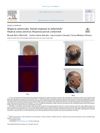
July 2019 in “Medicina Clínica (English Edition)” Tofacitinib partially improved hair regrowth in a patient with severe hair loss.
1 citations
,
January 2000 in “PubMed” The treatment slightly increased hair growth and was safe for most women.