 December 2017 in “International Journal of Current Research in Biosciences and Plant Biology”
 Nutrients and hormones affect root hair growth, but more research is needed to understand the genetic mechanisms.
 December 2017 in “Springer eBooks”
 Transplant patients often get skin problems, with treatments varying by condition.
 January 2017 in “Clinical approaches and procedures in cosmetic dermatology”
 Anti-glycation treatments might slow skin aging, but more research is needed.
 January 2016 in “Elsevier eBooks”
 The conclusion is that grasping how cells determine their roles through evolution is key, with expected progress from new research models and genome editing.
 January 2016 in “Research Explorer (The University of Manchester)”
 Activating the Eda/Edar pathway improves wound healing by enhancing hair follicle growth.
 August 2015 in “Free Radical Biology and Medicine”
 The study suggests that higher levels of SIRT1 and SIRT2 may improve overall cell health and aging processes.
 November 2013 in “Dermatologic Clinics”
 The document summarizes the latest trends and advancements in cosmetic dermatology.
 February 2012 in “Clinical and Experimental Dermatology”
 Many adult women experience unexplained excessive hair shedding, often starting before age 40.
 January 2008 in “Springer eBooks”
 Thyroid disease can cause hair loss and treating thyroid problems might help with hair disorders.
 October 2007 in “Journal of Investigative Dermatology”
 The document suggests a bacteria plays a significant role in acne rosacea and that white hair can regain color after transplant, meriting more research on reversing grey hair.
 July 2004 in “British Journal of Dermatology”
 The document concludes that accurate diagnosis and treatment are crucial in dermatology, and it presents various findings on skin conditions and treatments.
 January 1989 in “Clinical and Experimental Dermatology”
 The symposium concluded that hair growth involves complex processes, including the hair follicle life cycle, the role of the dermal papilla, hair strength, pigmentation, and the impact of diseases and treatments like minoxidil on hair and skin.

Integrin alphavbeta6 is important for wound healing and hair growth, and blocking it may improve these processes.
 76 citations
,
June 2015 in “Journal of biomedical science”
76 citations
,
June 2015 in “Journal of biomedical science” Mutations in Gasdermin A3 cause skin inflammation and hair loss by disrupting mitochondria.
 60 citations
,
May 2015 in “Archives of dermatological research”
60 citations
,
May 2015 in “Archives of dermatological research” PPAR agonists show promise for skin conditions but need more research before being a main treatment.
 56 citations
,
January 2007 in “Pharmaceutical Development and Technology”
56 citations
,
January 2007 in “Pharmaceutical Development and Technology” Liposomes improve finasteride delivery for hair loss treatment, making it a promising option for topical use.
 52 citations
,
January 2020 in “Scientific Reports”
52 citations
,
January 2020 in “Scientific Reports” NLCs with manual massage greatly improve clobetasol delivery to hair follicles.
 36 citations
,
February 2017 in “BMC Complementary and Alternative Medicine”
36 citations
,
February 2017 in “BMC Complementary and Alternative Medicine” Geranium sibiricum extract helps hair grow and is more effective than minoxidil but can be toxic in high concentrations.
 29 citations
,
November 2011 in “Veterinary pathology”
29 citations
,
November 2011 in “Veterinary pathology” The study found that mouse sweat glands develop before birth, mature after birth, and have specific keratin patterns.
 18 citations
,
May 2013 in “Journal of Dermatological Treatment”
18 citations
,
May 2013 in “Journal of Dermatological Treatment” Non-ablative fractional laser treatments have a low risk of side effects in Asian patients.
 14 citations
,
April 2014 in “Medical Clinics of North America”
14 citations
,
April 2014 in “Medical Clinics of North America” The document concludes that quick referral and appropriate treatments are crucial for managing common skin conditions and preventing permanent damage.
 7 citations
,
October 2024 in “AAPS PharmSciTech”
7 citations
,
October 2024 in “AAPS PharmSciTech” CA-SLN-Ngel significantly reduces cellulite more effectively than regular caffeine gel.
 7 citations
,
May 2010 in “JEADV. Journal of the European Academy of Dermatology and Venereology/Journal of the European Academy of Dermatology and Venereology”
7 citations
,
May 2010 in “JEADV. Journal of the European Academy of Dermatology and Venereology/Journal of the European Academy of Dermatology and Venereology” White hair follicles in vitiligo have fewer and less functional melanocytes.
 7 citations
,
December 2008 in “Journal of Dermatological Science”
7 citations
,
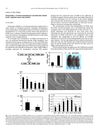
December 2008 in “Journal of Dermatological Science” Progranulin overexpression leads to shorter, thinner hair and increased cell death in mouse hair follicles.
 6 citations
,
December 2021 in “Scientific Reports”
6 citations
,
December 2021 in “Scientific Reports” Inhibiting class I HDACs helps maintain hair growth ability in skin cells.
 5 citations
,
March 2017 in “Cell and Tissue Banking”
5 citations
,
March 2017 in “Cell and Tissue Banking” Researchers developed a new method to quickly prepare skin cells that improve wound healing in rats.
 5 citations
,
January 2016 in “Journal of Molecular Histology”
5 citations
,
January 2016 in “Journal of Molecular Histology” Both main and alternative Wnt signaling are important for regrowing rodent whisker follicles.
 5 citations
,
February 2009 in “International Journal of Cosmetic Science”
5 citations
,
February 2009 in “International Journal of Cosmetic Science” Coenzyme Q10 helps reduce aging in human hair.
 2 citations
,
January 2023 in “Eastern Journal Of Medicine”
2 citations
,
January 2023 in “Eastern Journal Of Medicine” PRF is preferred for better healing in dental surgeries.
 2 citations
,
May 2019 in “Advances in wound care”
2 citations
,
May 2019 in “Advances in wound care” Blood-derived CD34+ cells speed up healing, reduce scarring, and regrow hair in skin wounds.