 127 citations
,
July 2002 in “EMBO journal”
127 citations
,
July 2002 in “EMBO journal” Normal skin cell renewal doesn't need RAR signaling, but vitamin A-related skin thickening does.
 96 citations
,
January 1997 in “Clinics in Dermatology”
96 citations
,
January 1997 in “Clinics in Dermatology” Pregnancy can cause skin pigmentation, stretch marks, and changes in hair, nails, and sweat glands, with most resolving after birth.
 86 citations
,
April 2016 in “Nature Communications”
86 citations
,
April 2016 in “Nature Communications” Notch1 helps skin heal by attracting specific immune cells.
 85 citations
,
September 2013 in “International Journal of Molecular Sciences”
85 citations
,
September 2013 in “International Journal of Molecular Sciences” Keratin 15 is not a reliable sole marker for identifying epidermal stem cells because it's found in various cell types.
 85 citations
,
July 2012 in “Cold Spring Harbor perspectives in biology”
85 citations
,
July 2012 in “Cold Spring Harbor perspectives in biology” The skin protects the body and is constantly renewed by stem cells; disruptions can lead to cancer.
 84 citations
,
October 2014 in “PLoS Genetics”
84 citations
,
October 2014 in “PLoS Genetics” Wnt signaling is essential for forming the skin's spinous layer through a BMP-FGF pathway.
 84 citations
,
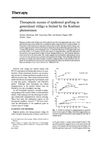
January 1990 in “Journal of The American Academy of Dermatology”
84 citations
,
January 1990 in “Journal of The American Academy of Dermatology” Skin grafting can help repigment vitiligo, but it's less effective for widespread cases due to the Koebner phenomenon.
 83 citations
,
January 2015 in “World Journal of Stem Cells”
83 citations
,
January 2015 in “World Journal of Stem Cells” Hair follicle regeneration needs special conditions and young cells.
 83 citations
,
May 2013 in “International Journal of Molecular Sciences”
83 citations
,
May 2013 in “International Journal of Molecular Sciences” Skin development in mammals is controlled by key proteins and signals from underlying cells, involving stem cells for maintenance and repair.
 82 citations
,
May 2009 in “Development”
82 citations
,
May 2009 in “Development” EGF and KGF signalling prevent hair follicle formation and promote skin cell development in mice.
 74 citations
,
September 1980 in “Medical Clinics of North America”
74 citations
,
September 1980 in “Medical Clinics of North America” Toxic epidermal necrolysis is a severe skin condition often caused by drugs, with complex treatment and a high risk of death, but survivors usually heal without scars.
 67 citations
,
August 2007 in “American Journal of Pathology”
67 citations
,
August 2007 in “American Journal of Pathology” Overexpressing the mineralocorticoid receptor in mouse skin causes skin thinning, early skin barrier development, eye issues, and hair loss.
 65 citations
,
June 2020 in “Stem Cell Research & Therapy”
65 citations
,
June 2020 in “Stem Cell Research & Therapy” Certain immune system proteins are important for skin healing but can cause problems if there are too many of them.
 65 citations
,
June 2003 in “EMBO journal”
65 citations
,
June 2003 in “EMBO journal” Noggin overexpression delays eyelid opening by affecting cell death and skin cell development.
 60 citations
,
March 2011 in “Proceedings of the National Academy of Sciences of the United States of America”
60 citations
,
March 2011 in “Proceedings of the National Academy of Sciences of the United States of America” RANK-RANKL signaling is essential for hair growth and skin health.
 57 citations
,
January 2014 in “Cold Spring Harbor Perspectives in Medicine”
57 citations
,
January 2014 in “Cold Spring Harbor Perspectives in Medicine” Skin stem cells maintain and repair the outer layer of skin, with some types being essential for healing wounds.
 54 citations
,
January 2016 in “Cell reports”
54 citations
,
January 2016 in “Cell reports” Activating β-catenin in different skin stem cells causes various types of hair growth and skin tumors.
 53 citations
,
September 1999 in “The journal of cell biology/The Journal of cell biology”
53 citations
,
September 1999 in “The journal of cell biology/The Journal of cell biology” K16 can partially replace K14 but causes hair loss and skin issues.
 50 citations
,
September 2014 in “Stem cell reports”
50 citations
,
September 2014 in “Stem cell reports” BLIMP1 is essential for skin maintenance but not for defining sebaceous gland progenitors.
 48 citations
,
August 2018 in “Nature Communications”
48 citations
,
August 2018 in “Nature Communications” JunB is crucial for maintaining healthy skin and hair follicles.
 47 citations
,
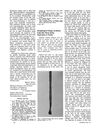
July 1967 in “Science”
47 citations
,
July 1967 in “Science” Not eating enough protein can cause hair roots to shrink and lose color, and hair to become thinner.
 46 citations
,
June 2015 in “Journal of Investigative Dermatology”
46 citations
,
June 2015 in “Journal of Investigative Dermatology” Androgen receptor activity blocks Wnt/β-catenin signaling, affecting hair growth and skin cell balance.
 43 citations
,
November 2007 in “Dermatologic Clinics”
43 citations
,
November 2007 in “Dermatologic Clinics” Hair and nail changes can indicate health issues, including cancer and side effects from cancer treatments.
 40 citations
,
June 2013 in “Molecular Pharmaceutics”
40 citations
,
June 2013 in “Molecular Pharmaceutics” The gelatin/β-TCP scaffold with nanoparticles improves wound healing and skin regeneration.
 40 citations
,
December 2012 in “PLoS ONE”
40 citations
,
December 2012 in “PLoS ONE” Removing Ctip2 in skin cells causes skin inflammation similar to atopic dermatitis.
 39 citations
,
May 2010 in “Stem Cells”
39 citations
,
May 2010 in “Stem Cells” Ephrins slow down skin and hair follicle cell growth.
 38 citations
,
July 2019 in “Nature Communications”
38 citations
,
July 2019 in “Nature Communications” Par3 protein is essential for skin cell balance and stability.
 38 citations
,
December 2011 in “British Journal of Dermatology”
38 citations
,
December 2011 in “British Journal of Dermatology” Menopause-related hormonal changes affect hair but are not the only cause of hair changes in middle-aged women.
 36 citations
,
January 2007 in “Archives of Histology and Cytology”
36 citations
,
January 2007 in “Archives of Histology and Cytology” Type IV collagen chains vary in different parts of human skin, with specific patterns linked to melanocytes.
 36 citations
,
November 1961 in “Archives of Dermatology”
36 citations
,
November 1961 in “Archives of Dermatology” The document suggests that the traditional understanding of hair growth cycles and alopecia may be inaccurate and that blood supply plays a significant role in hair growth and loss.