22 citations
,
March 2017 in “Journal of the Formosan Medical Association” The guidelines help doctors manage skin problems from certain cancer treatments to improve patients' lives.
 1 citations
,
March 2004 in “Journal of the American Academy of Dermatology”
1 citations
,
March 2004 in “Journal of the American Academy of Dermatology” ZD1839, a cancer drug, can cause mild skin rashes that are treatable without stopping the medication.
60 citations
,
December 1988 in “Journal of Biochemical Toxicology” TCDD reduces EGF receptors in the liver, affecting growth and development.
 April 2024 in “Journal of pharmacy & pharmacognosy research”
 A compound from Calophyllum inophyllum L. leaf may help treat non-small cell lung cancer.
May 2025 in “Dermatology Online Journal” Erlotinib can cause excessive eyelash growth.
September 2017 in “Journal of Investigative Dermatology” LRIG1 protein affects hair growth by regulating skin receptors, leading to hair loss when overexpressed.
December 2025 in “Biomedicines” Tyrosine kinase inhibitors for endocrine tumors often cause skin issues, requiring early management and treatment adjustments.
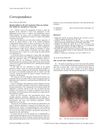 2 citations
,
June 2005 in “Clinical Oncology”
2 citations
,
June 2005 in “Clinical Oncology” A man's bald spot grew hair after starting cancer treatment with gefitinib.
 June 2024 in “Journal of Clinical Oncology”
 EGFR-TKIs can cause unexpected skin, nail, and hair issues.
1 citations
,
December 2012 in “Journal of dermatological science” Combining ficlatuzumab and gefitinib can cause severe scarring hair loss.
 88 citations
,
July 2014 in “Journal of the American Academy of Dermatology”
88 citations
,
July 2014 in “Journal of the American Academy of Dermatology” Targeted cancer therapies often cause skin reactions, so dermatologists must manage these effects.
 26 citations
,
October 2018 in “Clinical & Translational Oncology”
26 citations
,
October 2018 in “Clinical & Translational Oncology” Spanish experts provided guidelines for treating skin side effects in cancer patients on new therapies, stressing early action and teamwork.
6 citations
,
December 2018 in “Ophthalmic Plastic and Reconstructive Surgery” Afatinib can cause eyelash and eyebrow issues, leading to eye irritation and pain.
 1 citations
,
October 2022 in “Дерматовенерология Косметология”
1 citations
,
October 2022 in “Дерматовенерология Косметология” EGFR inhibitors for lung cancer can cause severe skin issues.
8 citations
,
December 2007 in “Journal of Thoracic Oncology” Erlotinib can cause significant but temporary hair loss in lung cancer patients.
91 citations
,
April 2006 in “PubMed” EGFR-targeting cancer drugs can cause skin rashes and other side effects.
 25 citations
,
January 2011 in “Annals of Dermatology”
25 citations
,
January 2011 in “Annals of Dermatology” Erlotinib can cause hair loss as a side effect.
June 2025 in “British Journal of Clinical Pharmacology” Chemotherapy often causes skin and hair issues, but early management can help improve patient care.
January 2008 in “Projeto: revista mensal de arquitetura” Targeted cancer drugs can cause skin reactions, so dermatologists must manage these effects.
2 citations
,
January 2004 in “Linchuang pifuke zazhi” ZD1839 can cause skin issues like acne and hair changes.
1 citations
,
January 2026 in “Science Advances” The 3D skin model mimics pemphigus vulgaris and helps test treatments.
 25 citations
,
September 2018 in “Molecular Biology of the Cell”
25 citations
,
September 2018 in “Molecular Biology of the Cell” Blocking Wnt/β-catenin signaling with EGF receptor is necessary for proper hair growth.
11 citations
,
July 2004 in “Journal of Investigative Dermatology” Certain tyrosine kinases may regulate hair growth and could help develop hair loss treatments.
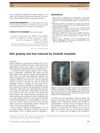 7 citations
,
December 2013 in “The Journal of Dermatology”
7 citations
,
December 2013 in “The Journal of Dermatology” A woman's hair turned gray and fell out after starting a cancer drug called imatinib mesylate.
 65 citations
,
February 2009 in “The journal of investigative dermatology/Journal of investigative dermatology”
65 citations
,
February 2009 in “The journal of investigative dermatology/Journal of investigative dermatology” Anti-acne medications may work by reducing the activity of a protein involved in acne development.
 5 citations
,
September 2010 in “Cancer Prevention Research”
5 citations
,
September 2010 in “Cancer Prevention Research” The research suggests new treatments for skin cancer could target specific cell growth pathways.
 6 citations
,
April 2010 in “Cellular Reprogramming”
6 citations
,
April 2010 in “Cellular Reprogramming” Pig skin cells can turn into mesodermal cells but lose their ability to become neural cells.
 1 citations
,
April 2023 in “International Journal of Molecular Sciences”
1 citations
,
April 2023 in “International Journal of Molecular Sciences” Botryococcus terribilis Ethanol Extract may reduce inflammation by changing gene expression in cells.
 2 citations
,
October 2016
2 citations
,
October 2016 Chemotherapy and radiotherapy can cause skin side effects like rashes, hair loss, and nail changes, which are usually managed with conservative treatments.
 February 2023 in “Molecules”
 Cactus extract from Notocactus ottonis may help promote hair growth.