 14 citations
,
November 1963 in “The journal of investigative dermatology/Journal of investigative dermatology”
14 citations
,
November 1963 in “The journal of investigative dermatology/Journal of investigative dermatology” Pathologic tissues have more soluble proteins than normal tissues.
 10 citations
,
April 2013 in “Veterinary dermatology”
10 citations
,
April 2013 in “Veterinary dermatology” A new skin disease in four Labrador retrievers responded well to immunosuppressive treatment.
 2 citations
,
June 2001 in “American Journal of Pathology”
2 citations
,
June 2001 in “American Journal of Pathology” The document concludes that understanding how hair follicles naturally die and regenerate is important for insights into organ development and could impact health and disease treatment.
 1 citations
,
January 2012 in “Elsevier eBooks”
1 citations
,
January 2012 in “Elsevier eBooks” The document concludes that the skin is a complex organ providing protection, sensation, and healing, with challenges in treating conditions like itchiness.
 1 citations
,
April 2010 in “Expert Review of Dermatology”
1 citations
,
April 2010 in “Expert Review of Dermatology” The document concludes that early diagnosis and treatment are crucial for managing rare hair loss disorders and that more research is needed to improve treatment strategies.
 84 citations
,
June 2013 in “Stem Cells Translational Medicine”
84 citations
,
June 2013 in “Stem Cells Translational Medicine” New methods for skin and nerve regeneration can improve healing and feeling after burns.
 65 citations
,
November 2016 in “Journal of The American Academy of Dermatology”
65 citations
,
November 2016 in “Journal of The American Academy of Dermatology” The document concludes that early recognition and treatment of primary cicatricial alopecia is crucial to prevent permanent hair loss.
 35 citations
,
November 2020 in “Experimental Dermatology”
35 citations
,
November 2020 in “Experimental Dermatology” Different types of skin cells are organized in a special way in large wounds to help with healing and hair growth.
 31 citations
,
January 1989 in “Clinical and Experimental Dermatology”
31 citations
,
January 1989 in “Clinical and Experimental Dermatology” The study tested a hair treatment and found it can help grow hair, but won't stop baldness. It's safe and works well, but needs more testing.
 30 citations
,
October 2013 in “Lupus”
30 citations
,
October 2013 in “Lupus” Hair loss in lupus is different from hair loss in alopecia areata and may indicate lupus activity.
 27 citations
,
July 2018 in “Journal of optometry”
27 citations
,
July 2018 in “Journal of optometry” Eyelashes protect the eyes, but more research is needed to understand how.
 24 citations
,
January 2008 in “KARGER eBooks”
24 citations
,
January 2008 in “KARGER eBooks” The document concludes that ongoing research using animal models is crucial for better understanding and treating Alopecia Areata.
 22 citations
,
May 2000 in “American Journal of Clinical Dermatology”
22 citations
,
May 2000 in “American Journal of Clinical Dermatology” Treatments for common hair loss include minoxidil, finasteride, and hair transplantation.
 20 citations
,
July 2008 in “Dermatologic Therapy”
20 citations
,
July 2008 in “Dermatologic Therapy” The document says that treating the root cause of hair follicle damage is crucial to prevent permanent hair loss, and treatment options vary.
 19 citations
,
October 2011 in “Clinics in Dermatology”
19 citations
,
October 2011 in “Clinics in Dermatology” New chemotherapy drugs cause skin side effects, but treatments like minocycline and tetracycline can help reduce them.
 17 citations
,
June 2020 in “British Journal of Dermatology”
17 citations
,
June 2020 in “British Journal of Dermatology” Oral mTOR inhibitors often cause skin and hair side effects but usually don't require stopping treatment.
 15 citations
,
February 2003 in “British Journal of Dermatology”
15 citations
,
February 2003 in “British Journal of Dermatology” The study suggests computer-assisted analysis of scalp biopsies could improve hair loss diagnosis but needs more validation.
 13 citations
,
July 2012 in “Pigment Cell & Melanoma Research”
13 citations
,
July 2012 in “Pigment Cell & Melanoma Research” A mutation in the Adam10 gene causes freckle-like spots on Hairless mice.
 March 2021 in “Actas Dermo-Sifiliográficas”
 The microbiome may be linked to hair loss and could be a target for new treatments.
 April 2019 in “The journal of investigative dermatology/Journal of investigative dermatology”
 Scientists discovered a new way UVB light increases skin pigmentation through the ATP-P2X7 pathway.
 July 1997 in “Journal of Cutaneous Medicine and Surgery”
 Finasteride significantly increases scalp hair and prevents hair loss in young and middle-aged men.
 June 2020 in “Journal of Investigative Dermatology”
 Leukocyte-rich platelet-rich plasma is safe and can potentially help treat scarring hair loss.
 16 citations
,
July 2013 in “The American Journal of Dermatopathology”
16 citations
,
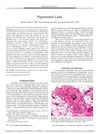
July 2013 in “The American Journal of Dermatopathology” Pigmented casts are common in several hair loss conditions and can help diagnose specific types of alopecia.
 2 citations
,
June 2018 in “Clinical and Experimental Dermatology”
2 citations
,
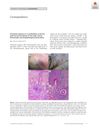
June 2018 in “Clinical and Experimental Dermatology” Permanent hair loss after a stem cell transplant can be a sign of chronic immune system attack on the scalp.
 233 citations
,
February 2018 in “Polymers”
233 citations
,
February 2018 in “Polymers” Chitin and chitosan are useful in cosmetics for oral care, haircare, and skincare, including UV protection and strength improvement.
 90 citations
,
July 2008 in “Dermatologic therapy”
90 citations
,
July 2008 in “Dermatologic therapy” Lichen planopilaris is a chronic, scarring hair loss condition with no definitive cure, requiring accurate diagnosis and treatment to manage symptoms.
 8 citations
,
September 2016 in “Pediatric dermatology”
8 citations
,
September 2016 in “Pediatric dermatology” People with Mucopolysaccharidoses often have skin problems like thick skin and extra hair, and recognizing these can help diagnose and treat the condition early.
 September 2017 in “Journal of Investigative Dermatology”
 HIF-1A may aid hair growth, Backhousia citriodora improves skin, autologous cells stabilize hair loss, infrared thermography assesses alopecia, and a new treatment preserves hair.
 March 2012 in “Journal of The American Academy of Dermatology”
 Temporal triangular alopecia usually starts in early childhood and treatment with Minoxidil has limited effectiveness.
 September 2017 in “Journal of Investigative Dermatology”
 Injections of special skin cells showed potential in treating hair loss, with some participants experiencing increased hair density.