January 2025 in “Stem Cells International” Epigenetic changes in skin cells contribute to aging, but targeting these changes may offer new antiaging treatments.
 November 2024 in “PubMed”
 Carboxytherapy effectively and safely improves skin aging signs.
 August 2024 in “Receptors”
 Vitamin D receptor is crucial for skin wound healing.
 July 2024 in “Journal of Investigative Dermatology”
 Losing both ERBB2 and ERBB3 receptors in mice causes significant skin problems and inflammation.
 July 2024 in “Annals of Phytomedicine An International Journal”
 Herbal ingredients like aloe vera and hibiscus can help with hair problems like hair loss and dandruff.
 April 2024 in “The journal of investigative dermatology/Journal of investigative dermatology”
 ASH2L is essential for skin and hair development.
February 2024 in “Epigenomes” Epigenetic mechanisms control skin development by regulating gene expression.
November 2023 in “Вопросы современной педиатрии” Genetic testing can diagnose hair loss linked to DSG4 gene variants.
 September 2023 in “bioRxiv (Cold Spring Harbor Laboratory)”
 The mTurq2-Col4a1 mouse model shows that cells can divide while attached to stable basement membranes during development.
 September 2023 in “Çukurova medical journal (Online)/Çukurova medical journal”
 EZH2 levels decrease as fetuses develop and are higher in adult skin, which may affect skin growth and repair.
 May 2023 in “Current Applied Science and Technology”
 Higher power CO2 laser causes more severe skin burns and damage.
 May 2023 in “The journal of investigative dermatology/Journal of investigative dermatology”
 EAAT4 decreases with age, harming skin function and calcium balance.
 February 2023 in “Aesthetic Cosmetology and Medicine”
 Medicinal plants in nutricosmetics contain compounds that can improve skin and hair health.
 December 2022 in “KSBB Journal”
 Activating TLR3 boosts autophagy gene expression in skin cells.
 November 2022 in “bioRxiv (Cold Spring Harbor Laboratory)”
 MOF controls skin development by regulating genes for mitochondria and cilia.
 September 2022 in “bioRxiv (Cold Spring Harbor Laboratory)”
 A new staining method shows a special area in the hair's skin layer with lots of proteoglycans.
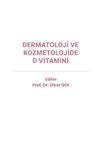
Vitamin D is crucial for skin health and managing skin diseases.
 September 2021 in “Research Square (Research Square)”
 Not having enough or having too much of the protein Grainyhead-like 3 leads to various developmental problems.
 August 2021 in “Annals of pathology and laboratory medicine”
 Most skin tumors in the study were benign, with squamous cell carcinoma being the most common malignant type.
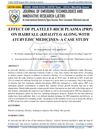 August 2021 in “Journal of emerging technologies and innovative research”
 PRP combined with Ayurvedic medicine may effectively treat hair loss.
 May 2020 in “bioRxiv (Cold Spring Harbor Laboratory)”
 The study found that certain genes are important for hedgehog skin appendage development and immunity, with spines possibly evolving for protection and infection resistance.
 January 2020 in “International Journal of PharmTech Research”
 A man with severe leprosy developed painless ulcers and numbness, treated successfully with multiple drugs and vitamins.
 August 2019 in “Journal of The American Academy of Dermatology”
 Bleach baths with 0.005% hypochlorite help manage atopic dermatitis by affecting skin cells and reducing itchiness.
 January 2019 in “Clinical Dermatology Open Access Journal”
 Combining corticosteroids and non-ablative fractional laser therapy may effectively treat extensive alopecia areata.

Skin stem cells in hair follicles are important for touch sensation.
 August 2018 in “Journal of Investigative Dermatology”
 The conclusion is that using light-sheet fluorescence microscopy with a special solution can effectively create detailed 3D images of human skin for dermatological research.

Hair follicle stem cells are crucial for touch sensation and proper nerve structure in mice.
 April 2018 in “Journal of Investigative Dermatology”
 Removing STAT5 from 3D-cultured human skin cells reduces their ability to grow hair.
 April 2018 in “Dermatologic Surgery”
 A new surgical technique using vellus hair grafts effectively treated vitiligo without causing unwanted hair growth.

Proretinal nanoparticles are a safe and effective way to deliver retinal to the skin.