 August 2021 in “Annals of pathology and laboratory medicine”
 Most skin tumors in the study were benign, with squamous cell carcinoma being the most common malignant type.
 May 2021 in “International journal of developmental research”
 Estrogens and progesterone are key in regulating melasma pigmentation.
 April 2020 in “bioRxiv (Cold Spring Harbor Laboratory)”
 Skin healing from blisters can delay hair growth as stem cells focus on repairing skin over developing hair.
 January 2020 in “International Journal of PharmTech Research”
 A man with severe leprosy developed painless ulcers and numbness, treated successfully with multiple drugs and vitamins.
 September 2019 in “Journal of Investigative Dermatology”
 The 3D-SeboSkin model effectively simulates Hidradenitis suppurativa and is useful for future research.
Cornification is the process where living skin cells die to create a protective barrier, and problems with it can cause skin diseases.
 August 2018 in “Journal of Investigative Dermatology”
 Centrosomes are essential for healthy skin and hair growth, and their role is different from that of cilia.
 April 2018 in “Journal of Investigative Dermatology”
 Stabilizing HIF1A in hair follicles increases glycolysis, which may help reduce oxidative stress and support hair growth.
 January 2018 in “Stem cell biology and regenerative medicine”
 The nucleus is key in controlling skin growth and repair by coordinating signals, gene regulators, and epigenetic changes.
 June 2017 in “JPRAS Open”
 Hair transplant was successful on a bald area after skin graft surgery.
 September 2016 in “Springer eBooks”
 Fat-derived stem cells may help treat skin aging and hair loss.
 January 2015 in “Springer eBooks”
 Fat-derived stem cells and their secretions show promise for treating skin aging and hair loss.
 January 2012 in “Durham e-Theses (Durham University)”
 Keratin 15 affects cell behavior and characteristics in skin cells.
 January 2011 in “Web journal anti-aging medicine/Anti-aging medicine”
 KGS1 tablets improved skin and hair health.
March 2009 in “Dermatology Online Journal” Manipulating EGFR signaling may help treat hair loss and promote hair growth.
 January 2008 in “Springer eBooks”
 Thyroid hormone may be useful for treating various skin conditions and needs more research.
 October 2007 in “Journal of Investigative Dermatology”
 The document suggests a bacteria plays a significant role in acne rosacea and that white hair can regain color after transplant, meriting more research on reversing grey hair.
 January 2006 in “Advances in developmental biology”
 The Hairless gene is crucial for healthy skin and hair growth.
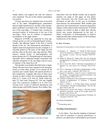 January 1999 in “Journal of the European Academy of Dermatology and Venereology”
 RAPK is a rare skin disorder with pigmented spots, mainly on hands and feet, starting in youth.
 January 1997 in “Elsevier eBooks”
 Hair and nails are skin parts that develop early and serve protective and functional roles.
 October 1982 in “American Journal of Nursing”
 Wound healing is a complex process involving different cells and stages, leading to scar tissue formation and strength increase over time.

Ovol2 is crucial for hair growth and skin healing by controlling cell movement and growth.
 143 citations
,
September 2008 in “Experimental gerontology”
143 citations
,
September 2008 in “Experimental gerontology” Skin aging is due to impaired stem cell mobilization or fewer responsive stem cells.
 June 2017 in “International Journal of Periodontics & Restorative Dentistry”
 Using skin grafts from behind the ear for oral surgery in two patients with jaw injuries led to successful healing and good results.
 33 citations
,
July 2020 in “Journal of The American Academy of Dermatology”
33 citations
,
July 2020 in “Journal of The American Academy of Dermatology” PRP treatment improves hair density and thickness for alopecia, but needs more research.
 15 citations
,
May 2020 in “Journal of Dermatological Treatment”
15 citations
,
May 2020 in “Journal of Dermatological Treatment” PRP treatment increases hair density and thickness in androgenetic alopecia by 79%.
3 citations
,
February 2015 in “Mechanisms of development” Hormones and stretching both needed for nipple area skin growth in mice.
 April 2017 in “Journal of Investigative Dermatology”
 PRC1 influences skin stem cell development by both turning genes on and off, affecting hair growth and skin cell types.
 April 2017 in “Journal of Investigative Dermatology”
 Blocking JAK-STAT5 signaling in mice leads to hair growth.
105 citations
,
October 2017 in “Stem cells” Wnt signaling is crucial for skin development and hair growth.