48 citations
,
July 1993 in “Archives of Dermatological Research” Merkel cells are abundant in facial vellus hair follicles, especially during the anagen phase.
 5 citations
,
January 2017 in “Anais brasileiros de dermatologia/Anais Brasileiros de Dermatologia”
5 citations
,
January 2017 in “Anais brasileiros de dermatologia/Anais Brasileiros de Dermatologia” Porokeratotic eccrine and hair follicle nevus is a very rare skin disorder possibly caused by a GJB2 gene mutation.
160 citations
,
June 2008 in “American Journal Of Pathology” EGFR signaling is crucial for skin and hair health, and targeting it could help treat skin diseases and cancer.
 24 citations
,
March 1998 in “Mycoses”
24 citations
,
March 1998 in “Mycoses” Early diagnosis and effective treatment of kerion Celsi prevent scarring and permanent hair loss.
February 2024 in “Epigenomes” Epigenetic mechanisms control skin development by regulating gene expression.
September 2021 in “Morphologia” Dermal fibroblasts have at least three distinct types, each with unique roles in skin structure and hair development.
226 citations
,
August 2006 in “Molecular and Cellular Biology” EGF signaling affects gene expression in skin cells, influencing hair growth and potentially cancer.
 April 2023 in “Journal of Investigative Dermatology”
 Ectomesenchyme is a key source of skin stem cells.
4 citations
,
September 2004 in “Experimental Dermatology” Mutations in certain skin proteins cause severe skin issues, while others have limited effects, highlighting the need to understand these proteins for better treatments.
November 2024 in “Journal of Investigative Dermatology” Scalp hair follicle cells help protect and heal skin in certain skin conditions.
 24 citations
,
March 2015 in “Best Practice & Research in Clinical Obstetrics & Gynaecology”
24 citations
,
March 2015 in “Best Practice & Research in Clinical Obstetrics & Gynaecology” Some skin conditions are common during pregnancy and can be safely treated without affecting the pregnancy outcome.
1 citations
,
October 2021 in “Journal of Investigative Dermatology”  17 citations
,
January 2010 in “Acta Dermato Venereologica”
17 citations
,
January 2010 in “Acta Dermato Venereologica” EGFR inhibitors can cause yellowish skin eruptions.
 March 2026 in “Open MIND”
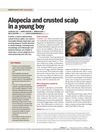
 Early treatment of scalp infections can prevent permanent hair loss.
 5 citations
,
October 2020 in “Experimental dermatology”
5 citations
,
October 2020 in “Experimental dermatology” A specific type of skin cell creates an opening for hair to grow out, and problems with this process can lead to skin conditions.
March 2016 in “Experimental Dermatology” EGFR helps hair follicles transition properly by controlling Stathmin levels.
 27 citations
,
August 2014 in “Wiley interdisciplinary reviews. Developmental biology”
27 citations
,
August 2014 in “Wiley interdisciplinary reviews. Developmental biology” The skin and thymus develop similarly to protect and support immunity.
14 citations
,
January 1988  26 citations
,
July 2012 in “Biochimica et Biophysica Acta (BBA) - General Subjects”
26 citations
,
July 2012 in “Biochimica et Biophysica Acta (BBA) - General Subjects” The review found that different stem cell types in the skin are crucial for repair and could help treat skin diseases and cancer.
 October 2023 in “Apollo medicine”
 The skin acts like an endocrine organ, producing hormones that affect various body functions and skin health, and understanding this can lead to new treatments.
 20 citations
,
January 2019 in “Journal of dermatological science”
20 citations
,
January 2019 in “Journal of dermatological science” Male hormones indirectly affect skin cell development by increasing growth factor levels from skin fibroblasts.
 9 citations
,
October 2013 in “Pediatric dermatology”
9 citations
,
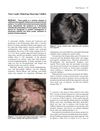
October 2013 in “Pediatric dermatology” Proper antifungal treatment is crucial to avoid misdiagnosis and prevent scarring alopecia.
14 citations
,
May 2022 in “Stem cell reports” The study created hair-bearing skin models that lack a key protein for skin layer attachment, limiting their use for certain skin disease research.
77 citations
,
September 2017 in “Journal of Investigative Dermatology” TRPV3 in skin cells causes inflammation and cell death.
3 citations
,
July 2024 in “Dermatology and Therapy” Hair shaft abnormalities can help distinguish mycosis fungoides from other skin conditions.
14 citations
,
January 2014 in “Annals of Dermatology” Some cases of folliculotropic mycosis fungoides may progress slowly and not need aggressive treatment.
September 2023 in “Journal of the American Academy of Dermatology” Bullous pemphigoid can look like erythema multiforme, so awareness is needed for proper treatment.
1 citations
,
October 2010 in “EUR Research Repository (Erasmus University Rotterdam)” Botryomycosis can be effectively treated with long-term oral antibiotics.
 15 citations
,
February 2017 in “Nursing Clinics of North America”
15 citations
,
February 2017 in “Nursing Clinics of North America” Targeted cancer therapies can cause skin side effects, which should be treated early to help patients' quality of life and treatment adherence.
September 2004 in “Experimental Dermatology” The model effectively studies how sensory nerves interact with skin components, aiding research on wound healing and hair growth.