 April 2016 in “Journal of the American Academy of Dermatology”
 Dermoscopy helped correctly diagnose a skin condition that was previously misidentified as a different hair loss disease.
119 citations
,
January 2000 in “British Journal of Dermatology” Different parts of the nail express different keratins, showing unique patterns of differentiation.
84 citations
,
March 2002 in “The Journal of Dermatology” Steatocystoma multiplex is a skin condition starting around age 26, linked to hair follicles, and related to eruptive vellus hair cysts.
Tricholemmoma is linked to Cowden syndrome and can be benign or malignant.
36 citations
,
April 2016 in “Biochimie” A substance called epidermal growth factor helps increase the growth of important hair follicle cells by activating a specific cell communication route.
 62 citations
,
April 2009 in “British Journal of Dermatology”
62 citations
,
April 2009 in “British Journal of Dermatology” Epidermal stem cells could lead to new treatments for skin and hair disorders.
September 2005 in “CRC Press eBooks” Vitamin D is important for skin cell growth and health, and its active form and receptor play key roles in skin and hair processes.
32 citations
,
January 2010 in “Journal of Dermatological Science” Reduced EGFR signaling delays hair cycle and reduces fat growth, but hair development remains normal.
 3 citations
,
April 2016 in “Journal of The American Academy of Dermatology”
3 citations
,
April 2016 in “Journal of The American Academy of Dermatology” A woman had a severe skin reaction from the drug imiquimod, used for skin cancer, highlighting the need for awareness of rare but serious side effects.
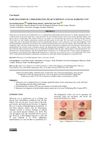 March 2022 in “Folia Medica Indonesiana”
 The lump on a woman's scalp was a rare, potentially cancerous tumor from the hair follicle, not a common cyst.
 6 citations
,
July 2015 in “International Journal of Dermatology”
6 citations
,
July 2015 in “International Journal of Dermatology” Trichoepitheliomas can be hard to distinguish from other skin conditions and often start in teenage years.
 September 1995 in “American Journal of Contact Dermatitis”
 Antiyeast treatments work better for seborrheic dermatitis than steroids, and other findings include increased skin bacteria under plastic wrap, a nasal cell defect in Staphylococcus aureus carriers, quick resolution of certain skin reactions, high rubber latex allergy in spina bifida patients, and glyceryl monopentadecanoate's effectiveness for male hair loss.
 January 2025 in “Journal of the European Academy of Dermatology and Venereology”
 Trichophyton mentagrophytes genotype VII is a sexually transmitted fungus causing skin issues, mainly among men who have sex with men in Europe, and requires quick treatment.
 1 citations
,
December 2023 in “Indian Dermatology Online Journal”
1 citations
,
December 2023 in “Indian Dermatology Online Journal” Steatocystoma multiplex causes recurring skin cysts and needs early recognition for better management.
51 citations
,
May 1984 in “Journal of the American Academy of Dermatology” Benign follicular mucinosis involves immune cells attacking hair follicles.
4 citations
,
July 2014 in “The Journal of Dermatology” Plaque-type herpetic folliculitis affects eccrine glands.
133 citations
,
March 1999 in “Journal of Cutaneous Pathology” Trichoepitheliomas and some basal cell carcinomas likely come from hair follicle stem cells.
 October 2011 in “Journal of dermatology”
 A man with a rare skin condition and a new gene mutation developed high calcium levels due to his treatment.
8 citations
,
July 1986 in “International Journal of Dermatology” Eruptive vellus hair cysts are harmless skin bumps that may go away on their own.
6 citations
,
November 1960 in “Experimental Biology and Medicine” Hair growth stages don't significantly change lipid content in mouse skin.
 August 2025 in “International Journal of Research in Dermatology”
 Increasing zinc intake improved skin and hair symptoms in a rare genetic disorder.
January 2007 in “Jiepouxue yanjiu” ES cell-derived stem cells can help regenerate skin and form gland-like structures.
 December 2025 in “Italian Journal of Anatomy and Embryology”
 Understanding embryologic layers improves skin disorder diagnosis and supports developing targeted therapies.
 23 citations
,
November 2018 in “Development, Growth & Differentiation”
23 citations
,
November 2018 in “Development, Growth & Differentiation” Epidermal stem cells have various roles in skin beyond just maintenance, including forming specialized structures and aiding in skin repair and regeneration.
 6 citations
,
December 2011 in “Nature”
6 citations
,
December 2011 in “Nature” The circadian clock in skin cells controls their growth and rest cycles.
1 citations
,
June 2018 in “Journal of General-Procedural Dermatology & Venereology Indonesia” Skin debridement and antifungals successfully treated severe scalp infection without scarring.
 11 citations
,
October 2001 in “Tissue engineering”
11 citations
,
October 2001 in “Tissue engineering” Cultured epithelium can form hair follicles when combined with dermal papillae.
 7 citations
,
March 2003 in “PubMed”
7 citations
,
March 2003 in “PubMed” The scalp has a natural speckled pattern of increased pigment around hair follicles, possibly linked to local hormone production.
 March 2024 in “International Journal of Cosmetic Science”
 Dandruff is linked to increased T cells and weakened immune protection in hair follicles.
 76 citations
,
May 2011 in “Cell death and differentiation”
76 citations
,
May 2011 in “Cell death and differentiation” A20 protein is crucial for normal skin and hair development.