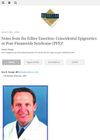
 November 2016 in “Hair transplant forum international”
 The conclusion is that more research is needed to understand if the drug finasteride causes Post-Finasteride Syndrome or if it's due to individual genetic makeup.
July 2024 in “Journal of Investigative Dermatology” Glutamine helps macrophages reduce inflammation and improve wound healing.
36 citations
,
January 2021 in “Frontiers in Cell and Developmental Biology” Hypoxia and epigenetics are crucial for cell growth and tissue regeneration.
 1 citations
,
July 2023 in “Horticulture research”
1 citations
,
July 2023 in “Horticulture research” Tiny RNA molecules help control the growth of plant hairs.
 1 citations
,
December 2022 in “Frontiers in Immunology”
1 citations
,
December 2022 in “Frontiers in Immunology” Tissue environment greatly affects the unique epigenetic makeup of regulatory T cells, which could impact autoimmune disease treatment.
 1 citations
,
June 2010 in “Development”
1 citations
,
June 2010 in “Development” The document concludes that pig iPSCs show promise for transplant therapies and the field is advancing in controlling cell behavior for biology and medicine.
 January 2025 in “PLoS ONE”
 ING5 is crucial for stem cell maintenance and preventing certain cancers.
July 2024 in “Journal of Investigative Dermatology”  October 2023 in “IntechOpen eBooks”
 Genes and epigenetic changes are important in the development of Polycystic Ovary Syndrome.
May 2022 in “The FASEB Journal” Finasteride may help treat Neutrophil Actin Dysfunction by reducing LSP1 gene activity.
 231 citations
,
July 2008 in “Nutrition reviews”
231 citations
,
July 2008 in “Nutrition reviews” Diet changes can protect against harmful environmental effects on fetal development.
 6 citations
,
July 2023 in “Nature cell biology”
6 citations
,
July 2023 in “Nature cell biology” SOX9 helps determine stem cell roles by interacting with DNA and proteins that control gene activity.
November 2025 in “Journal of Investigative Dermatology” CBD can help hair grow by supporting scalp health and reducing inflammation.
 April 2023 in “Journal of Investigative Dermatology”
 Aging changes skin cells, leading to different DNA methylation and gene activity, affecting cell metabolism and aging signs.
September 2006 in “Experimental Dermatology” Targeting multiple pathways and understanding genetic mutations are crucial for effective melanoma therapy.
 April 2018 in “Journal of Investigative Dermatology”
 The study found that p63 needs signals from morphogens to help skin cells differentiate properly.
 70 citations
,
February 2019 in “The journal of immunology/The Journal of immunology”
70 citations
,
February 2019 in “The journal of immunology/The Journal of immunology” Short-chain fatty acids from *Cutibacterium acnes* cause skin inflammation, contributing to acne.
March 2026 in “Journal of Enzyme Inhibition and Medicinal Chemistry” PROTACs show promise in cancer treatment by effectively degrading specific harmful proteins.
July 2025 in “Journal of Investigative Dermatology”  23 citations
,
March 2010 in “Medical hypotheses”
23 citations
,
March 2010 in “Medical hypotheses” Merkel cells may have roles in sensing magnetic fields, creating fingerprints, Reiki energy healing, passing on environmental information to offspring, and influencing hair shape.
733 citations
,
September 2009 in “Journal of Cell Science” Wound healing is a complex, multi-phase process involving various cells and activities to repair skin damage.
 432 citations
,
April 2014 in “Nature communications”
432 citations
,
April 2014 in “Nature communications” A mother's diet at conception can cause lasting genetic changes in her child.
 308 citations
,
September 2010 in “Nucleic acids research”
308 citations
,
September 2010 in “Nucleic acids research” Increasing mir-302 turns human hair cells into stem cells by changing gene regulation and demethylation.
 174 citations
,
November 2016 in “Cell stem cell”
174 citations
,
November 2016 in “Cell stem cell” Different types of skin cells have unique genetic markers that affect how likely they are to spread cancer.
153 citations
,
June 2015 in “GenomeBiology.com” The environment around the time of conception can change the VTRNA2-1 gene in a way that lasts for years and may affect disease risk.
 147 citations
,
November 2020 in “International Journal of Molecular Sciences”
147 citations
,
November 2020 in “International Journal of Molecular Sciences” Keratinocytes help heal skin wounds by interacting with immune cells and producing substances that kill pathogens.
 130 citations
,
November 2017 in “Frontiers in Immunology”
130 citations
,
November 2017 in “Frontiers in Immunology” The conclusion is that Treg-targeted therapies have potential, but more knowledge of Treg biology is needed for effective treatments, including for cancer.
 129 citations
,
May 2015 in “Cell Stem Cell”
129 citations
,
May 2015 in “Cell Stem Cell” Different types of stem cells exist within individual skin layers, and they can adapt to damage, transplantation, or tumor growth. These cells are regulated by their environment and genetic factors. Tumor growth is driven by expanding, genetically altered cells, not long-lived mutant stem cells. There's evidence of cancer stem cells in skin tumors. Other cells, bacteria, and genetic factors help maintain balance and contribute to disease progression. A method for growing mini organs from single cells has been developed.
122 citations
,
April 2020 in “American Journal Of Pathology” Skin aging is a complex process influenced by various factors, leading to wrinkles and sagging, and should be considered a disease due to its health impacts.
 118 citations
,
January 2016 in “Current Topics in Developmental Biology”
118 citations
,
January 2016 in “Current Topics in Developmental Biology” The document concludes that while significant progress has been made in understanding skin biology and stem cells, more research is needed to fully understand their interactions with their environment.