January 2025 in “Veterinary Record Case Reports” The dog's skin condition improved quickly with treatment and did not return.
 24 citations
,
November 2023 in “Nature”
24 citations
,
November 2023 in “Nature” The extracellular matrix affects where tumors can start in the body.
10 citations
,
April 2014 in “Molecular and Clinical Oncology” Alopecia areata can be an early sign of Hodgkin’s lymphoma and may improve with lymphoma treatment.
 145 citations
,
May 2008 in “Cancer Science”
145 citations
,
May 2008 in “Cancer Science” Cancer cells often have more copies of TERT and TERC genes, which helps them grow and could affect patient outcomes.
December 2021 in “Pathologica” Trichogerminoma is a rare, benign skin tumor from hair cells, with a small risk of becoming cancerous.
 February 2009 in “Journal of The American Academy of Dermatology”
 Most patients with Tuberous sclerosis had neurological or skin issues, and over half had psychiatric problems.
28 citations
,
May 2000 in “Proceedings of the National Academy of Sciences” The Walleye dermal sarcoma virus cyclin causes excessive skin cell growth in mice.
April 2018 in “Journal of Investigative Dermatology” Melanogenesis-related proteins may trigger immune responses in alopecia areata patients.
3 citations
,
August 2024 in “Dermatology and Therapy” Gene and cell therapies are being developed to treat rare skin conditions like epidermolysis bullosa and ichthyosis.

A man with a rare lung-focused form of hypereosinophilic syndrome improved with steroid treatment.
22 citations
,
November 1979 in “Archives of dermatology” A woman with Fox-Fordyce disease had symptom relief using tretinoin cream.
October 2024 in “Journal of the Endocrine Society” Recognizing macro-TSH is crucial to avoid unnecessary treatments.
47 citations
,
June 2013 in “Biology of blood and marrow transplantation” Mice with human fetal thymic tissue and stem cells developed symptoms similar to chronic graft-versus-host disease.
 6 citations
,
July 2013 in “Archives of Plastic Surgery”
6 citations
,
July 2013 in “Archives of Plastic Surgery” Using thigh skin, doctors successfully rebuilt a woman's scalp after removing a large tumor, with no tumor return after 8 months.
January 2011 in “The Chinese Journal of Dermatovenereology” DPC-hTERT cells can create hair follicle-like structures.
 141 citations
,
August 2017 in “Developmental Dynamics”
141 citations
,
August 2017 in “Developmental Dynamics” The document concludes that a better understanding of cell changes during wound healing could improve treatments for chronic wounds and other conditions.
Loss of the p53 gene alone causes tumors, and losing both p53 and Rb genes speeds up aggressive skin cancer.
 April 2016 in “Journal of Investigative Dermatology”
 Tumor cell adhesion is linked to higher risk of SLN metastasis and melanoma recurrence, and a model including these factors predicts these outcomes better than one with just clinical data.
November 2025 in “The Journal of Immunology” BST2 is highly expressed in certain immune cells in alopecia areata, suggesting a role in the disease.
1 citations
,
October 2024 in “European Journal of Histochemistry” Telocytes in silky fowl embryos develop distinct features and connections by the 20th day of incubation.
 September 2022 in “Journal of medical sciences and health”
 A person had two different benign skin tumors, a trichoadenoma and melanocytic naevi, at the same time but in different places on the face.
 April 2017 in “Journal of Investigative Dermatology”
 The protein CTCF is essential for skin development, maintaining hair follicles, and preventing inflammation.
 35 citations
,
May 2008 in “Journal of Clinical Oncology”
35 citations
,
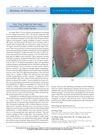
May 2008 in “Journal of Clinical Oncology” A cancer patient died from a severe skin reaction after taking the drug cetuximab.
11 citations
,
May 2011 in “The Journal of Dermatology” A man had two rare autoimmune diseases that might be connected.
November 2024 in “Journal of Investigative Dermatology”  March 2024 in “Clinical, cosmetic and investigational dermatology”
 Tofacitinib successfully treated vitiligo in a patient with lupus without side effects.
8 citations
,
June 2010 in “Plastic & Reconstructive Surgery” Complete removal of scalp tumors is crucial, but malignant cases may recur or metastasize, requiring a multidisciplinary approach and close follow-up.
May 2022 in “Голова и шея.” Checkpoint inhibitor therapy can cause skin issues, from mild rashes to severe reactions.
10 citations
,
December 2008 in “Molecular Carcinogenesis” The PML protein helps prevent skin cancer in mice.
September 2024 in “Journal of the American Academy of Dermatology”