January 2008 in “Deep Blue (University of Michigan)” Wnt signaling is crucial for Hedgehog-driven skin tumor growth.
 9 citations
,
July 2022 in “EMBO molecular medicine”
9 citations
,
July 2022 in “EMBO molecular medicine” Blocking certain immune signals can reduce skin damage from radiation therapy.
 November 2022 in “The journal of investigative dermatology/Journal of investigative dermatology”
 Targeted cancer therapies can cause skin side effects, but activating SOS in the skin may help reduce them.
ERK activation spreads between cells in mouse skin, linked to cell division and influenced by TPA and EGF receptors.
 17 citations
,
June 2017 in “British Journal of Dermatology”
17 citations
,
June 2017 in “British Journal of Dermatology” The article concludes that hair loss is a common side effect of drugs treating skin cancer by blocking the hedgehog pathway, but treatment should continue, and more selective drugs might prevent this side effect.
RNase L hinders hair follicle regeneration by altering immune signals.
September 2025 in “Blood Advances” Targeting androgen receptor signaling may improve acute myeloid leukemia treatment.
23 citations
,
October 2008 in “Journal of medicinal chemistry” PF-998425 is a new, effective, and non-phototoxic treatment for skin conditions related to androgens.
 November 2018 in “Annals of oncology”
 A scalp-cooling system effectively prevents hair loss in breast cancer patients treated with eribulin.
 29 citations
,
April 2019 in “Acta neuropathologica communications”
29 citations
,
April 2019 in “Acta neuropathologica communications” Stopping mitochondrial respiration can prevent brain cancer spread in skin cancer patients, and plant compound β-sitosterol could help achieve this.
May 2025 in “CPT Pharmacometrics & Systems Pharmacology” A 50 mg non-loading dose of ritlecitinib is safe for adults and adolescents.
 April 2016 in “Journal of The American Academy of Dermatology”
 Some blood pressure medications are linked to a higher risk of skin cancer.
 6 citations
,
January 2020 in “International journal of biological sciences”
6 citations
,
January 2020 in “International journal of biological sciences” Removing the ROBO4 gene in mice reduces skin inflammation and hair loss by affecting certain inflammation pathways and gene expression.
 29 citations
,
September 2017 in “Oncology and therapy”
29 citations
,
September 2017 in “Oncology and therapy” The document provides advice on how to recognize and treat skin-related side effects of cancer drugs known as EGFR inhibitors.
 April 2016 in “Journal of Investigative Dermatology”
 Mefloquine, an antimalarial drug, is effective in killing melanoma cells resistant to other treatments by causing lethal stress in the cells.
21 citations
,
April 2016 in “International Journal of Oncology” GnRH treatment can reduce breast cancer cell invasion.
 January 2022 in “Asian journal of Current Research in Clinical Cancer”
 Some dibenzo compounds might help treat cancer with fewer side effects.
 November 2025 in “SKIN The Journal of Cutaneous Medicine”
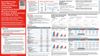
 Baricitinib works better in adolescents than adults for treating severe alopecia areata.
250 citations
,
November 2003 in “The Journal of Cell Biology” BMP receptor IA is essential for proper hair cell differentiation in mice.
June 2009 in “Faculty Opinions – Post-Publication Peer Review of the Biomedical Literature” Lrig1 marks a unique group of stem cells in mouse skin that can become different skin cell types.
 February 2026 in “Molecules”
 BBR-SA nanomedicine is a safe and effective treatment for breast cancer.
 April 2023 in “The journal of investigative dermatology/Journal of investigative dermatology”
 JAK inhibitors help hair growth by boosting beta-catenin activity in hair root cells.
3 citations
,
April 2019 in “Stem cells international” Markers CRABP1, Nestin, and Ephrin B2 are present in skin cancer environments and may influence their development.
 November 2024 in “SKIN The Journal of Cutaneous Medicine”
 Ritlecitinib provides new treatment options for diverse alopecia areata patients.
Keratinocytes can reduce the survival of certain melanoma cells, suggesting new therapy paths.
June 2019 in “International journal of dermatology and venereology” The Hedgehog Signaling Pathway is important for skin and hair development and skin cancer treatment, but more research is needed to understand it fully.
71 citations
,
February 2000 in “Endocrinology and metabolism/American journal of physiology: endocrinology and metabolism” Estradiol stops hair growth in mice, but an antagonist can reverse this effect.
18 citations
,
January 2009 in “Experimental Dermatology” mTOR may link different pathways in hair follicle tumor formation.
11 citations
,
February 2022 in “JAAD case reports” Abrocitinib, a JAK inhibitor, may help treat atopic dermatitis and alopecia universalis together.