Tailored nonsurgical cosmetic procedures are crucial for safely treating diverse skin types, especially skin of color.
 January 2017 in “Acta dermato-venereologica”
 The congress showed that psychological therapy can help skin condition patients, social media affects acne stigma, education improves atopic dermatitis, and patient satisfaction in dermatology is high, especially with good doctor engagement.
 January 2016 in “Georg Thieme Verlag eBooks”
 The document recommends personalized, culturally sensitive treatments to rejuvenate the aging Asian face, focusing on natural results and specific techniques for skin, hair, and facial features.
 March 2014 in “Journal of The American Academy of Dermatology”
 The document lists various dermatology topics, treatments, and diagnostic methods.
 March 2013 in “Revista Brasileira de Cirurgia Plástica”
 Using platelet growth factors can improve hair density in transplants, especially for those with fine hair.
 September 2012 in “Medicina estética/Medicina estética”
 More research is needed to confirm if laser therapy effectively treats hair loss.

Hair restoration surgery has improved to transplant hair in natural groupings, but it's labor-intensive and can't fully restore normal hair density.
 September 2006 in “Plastic and Reconstructive Surgery”
 Hair transplant surgeries can be improved by preserving follicles in a special solution, and surgeries done at outpatient facilities are more profitable than those at hospitals.
 September 2006 in “Plastic and Reconstructive Surgery”
 Outpatient aesthetic and reconstructive surgeries are about equally profitable in Academic Health Centers and Ambulatory Surgery Centers when time is considered, but dedicated surgery centers are generally more profitable.
 September 2006 in “Plastic and Reconstructive Surgery”
 The SGAP flap effectively treats large sacral pressure sores with good results and minimal complications.
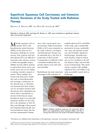 May 2006 in “Dermatologic Surgery”
 Radiation therapy successfully treated an elderly man's skin cancer and pre-cancerous scalp lesions.
 February 2004 in “Plastic and Reconstructive Surgery”
 The book gives a basic overview of cosmetic surgery topics but lacks depth and innovation, especially in hair restoration.
 February 2004 in “Plastic and Reconstructive Surgery”
 The book is a detailed guide on experimental wound healing methods, useful for researchers but not for clinicians.
 April 2016 in “Journal of The American Academy of Dermatology”
 People with hair loss have low zinc levels; zinc supplements and laser therapy may help.
 January 2019 in “Springer eBooks”
 PRP and LLLT can improve hair growth in AGA, but more research needed.
 April 2018 in “The journal of investigative dermatology/Journal of investigative dermatology”
 Higher fluence in hair removal damages hair follicles more, while lower fluence mimics natural hair regression, with long-term IPL treatments effectively reducing hair.
27 citations
,
March 2011 in “JEADV. Journal of the European Academy of Dermatology and Venereology/Journal of the European Academy of Dermatology and Venereology” Fractional CO₂ laser treatments effectively tighten eyelid skin and elevate eyebrows safely.
 2 citations
,
May 2010 in “Actas Dermo-Sifiliográficas”
2 citations
,
May 2010 in “Actas Dermo-Sifiliográficas” Home-use medical-cosmetic devices like lasers for hair removal may be convenient but need more research to confirm safety and effectiveness.
 40 citations
,
October 2009 in “Journal of Biomedical Nanotechnology”
40 citations
,
October 2009 in “Journal of Biomedical Nanotechnology” Pyrene excimer nucleic acid probes are promising for detecting biomolecules accurately with potential for biological research and drug screening.
 1 citations
,
February 2010 in “Proceedings of SPIE”
1 citations
,
February 2010 in “Proceedings of SPIE” Low level laser therapy may help regenerate hair cells in the ear after damage from gentamicin.
November 2015 in “Springer eBooks” Laser hair removal can be effective for people with darker skin tones.
 1 citations
,
May 2023 in “Journal of molecular evolution”
1 citations
,
May 2023 in “Journal of molecular evolution” Pangolins have lost some skin-related genes, but kept others, leading to their unique scales and skin features.
 February 2023 in “Archives of Dermatological Research”
 Laser treatment, especially when combined with other therapies, is effective for hair regrowth in alopecia areata.
41 citations
,
September 2010 in “British journal of dermatology/British journal of dermatology, Supplement” Both intense pulsed light and long-pulsed diode laser effectively reduced facial hair in women, with no significant difference in satisfaction after 6 months, but intense pulsed light was more painful.
 January 2021 in “Indian Journal of Pharmaceutical Sciences”
 Laser hair removal doesn't affect thyroid hormones.
March 2022 in “Institutional Repositories DataBase (IRDB)”  August 2025 in “Photodermatology Photoimmunology & Photomedicine”
 LED therapy is a promising, non-invasive skin treatment, but needs standardization and personalization.
March 2023 in “Medical lasers” Low-level laser therapy is a safe and effective treatment for hair loss.
 2 citations
,
July 2005 in “International Joint Conference on Artificial Intelligence”
2 citations
,
July 2005 in “International Joint Conference on Artificial Intelligence” EREG therapy may help treat hair loss by promoting hair growth.
 January 1989 in “Journal of The American Academy of Dermatology”
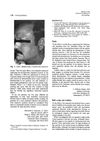
 Dr. Hanke acknowledges the success of CO₂ laser for less severe blast tattoos and suggests dermabrasion for more extensive injuries, while also discussing dermatology's media presence and issues with minoxidil research.