 25 citations
,
July 2013 in “Environmental Toxicology and Chemistry”
25 citations
,
July 2013 in “Environmental Toxicology and Chemistry” Spironolactone harms fish reproduction and is more potent in fish than invertebrates, needing environmental monitoring.
 9 citations
,
October 2017 in “Molecular Medicine Reports”
9 citations
,
October 2017 in “Molecular Medicine Reports” Finasteride causes reduced tear flow and severe eye inflammation.
January 2009 in “Journal of Jilin Medical College” SDG helps reduce BPH effects in rats.
10 citations
,
August 1998 in “Journal of Investigative Dermatology” 
Low-dose glucocorticoid treatment improves pregnancy and birth rates in women with nonclassical 21-hydroxylase deficiency.
 46 citations
,
January 2010 in “The journal of investigative dermatology/Journal of investigative dermatology”
46 citations
,
January 2010 in “The journal of investigative dermatology/Journal of investigative dermatology” Mice lacking Insig proteins had hair growth problems due to cholesterol buildup, but this was fixed by the drug simvastatin.
 5 citations
,
August 2014 in “Pharmaceutical Development and Technology”
5 citations
,
August 2014 in “Pharmaceutical Development and Technology” Propylene glycol and ethanol increase finasteride skin absorption, sodium lauryl sulfate doesn't.
48 citations
,
February 1999 in “PubMed” Finasteride, a drug, can block the seizure-preventing effects of a hormone called progesterone in mice.
 55 citations
,
November 2018 in “American journal of human genetics”
55 citations
,
November 2018 in “American journal of human genetics” Mutations in the LSS gene cause a rare type of hereditary hair loss.
15 citations
,
February 2020 in “Journal of Investigative Dermatology” Ceramide Synthase 4 is crucial for healthy skin barrier function.
 April 2024 in “JCEM case reports”
 A man's breast enlargement from low-dose finasteride for hair loss didn't go away, even with treatment, and might be more common than reported.
35 citations
,
September 1972 in “Journal of Biological Chemistry” Steroid hormone binding in rat skin varies with pH, heat, and hair cycle phases.
 July 2023 in “bioRxiv (Cold Spring Harbor Laboratory)”
 Seeing trauma causes fear in mice by lowering their natural fear-reducing hormones.
 3 citations
,
May 1990 in “Journal of Steroid Biochemistry”
3 citations
,
May 1990 in “Journal of Steroid Biochemistry” Some women with excess hair growth have a hormone condition that can't be diagnosed by blood or urine tests alone.

Finasteride-loaded microemulsions, made with cinnamon oil, Tween20, propylene glycol, and water, can help maintain stemness of dermal cells, potentially aiding in hair regeneration.
104 citations
,
June 2020 in “Journal of Endocrinology” Hyperandrogenism and insulin resistance in PCOS-like rats can lead to pregnancy complications due to increased cell death in the uterus and placenta.
1 citations
,
October 2025 in “International Journal of Molecular Sciences” Mutating the gmds gene in zebrafish increases hair cell numbers and regeneration.
 22 citations
,
March 2000 in “Clinical endocrinology”
22 citations
,
March 2000 in “Clinical endocrinology” Most patients experienced hirsutism again after stopping hormone treatment, indicating long-term treatment is needed to maintain results.
 August 2009 in “International Journal of Dermatology”
 A postmenopausal woman's facial redness, acne, and excess hair were caused by too much hormone therapy for insomnia, but improved after stopping the treatment.
 20 citations
,
January 2003 in “Chemical and Pharmaceutical Bulletin”
20 citations
,
January 2003 in “Chemical and Pharmaceutical Bulletin” The new progesterone derivatives effectively inhibit 5α-reductase and bind to the androgen receptor.
 48 citations
,
January 2011 in “Hormone Research in Paediatrics”
48 citations
,
January 2011 in “Hormone Research in Paediatrics” The conclusion is that genetic changes in the glucocorticoid receptor can lead to conditions affecting stress response, immunity, and metabolism, requiring personalized treatment.
2 citations
,
September 2020 in “International Journal of Molecular Sciences” Removing certain hair follicle stem cells worsens skin reactions to allergens.
 September 2016 in “Journal of Dermatological Science”
 A gene mutation worsens skin irritation in mice due to a lack of certain fats.
87 citations
,
April 1973 in “Endocrinology” The chemicals 17βC and its methyl ester can block the effects of testosterone on hamster skin but not the effects of DHT.
 February 1999 in “Analytical Sciences”
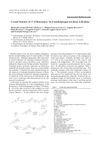
 A new antiandrogen compound was made and its detailed three-dimensional shape was described.
 November 2022 in “Journal of the Endocrine Society”
 A transman experienced lasting virilization symptoms after stopping testosterone, which were resolved with estradiol treatment.
April 2020 in “Journal of the Endocrine Society” A rare ovarian tumor caused high male hormone levels, but surgery fixed it.
April 2017 in “Journal of dermatological science” Removing PLCg1 from skin cells caused thicker oil glands and less hair in mice.
92 citations
,
February 2005 in “Endocrinology” Estrogen receptors affect hair growth, with ER beta slowing down the hair cycle changes caused by ER alpha.
6 citations
,
June 2006 in “International Journal of Gynecological Pathology” A postmenopausal woman's hormone imbalance and symptoms improved after removing benign ovarian tumors.