Search
for
Sort by
Research
480-510 / 1000+ results
research Transarterial chemoembolization (TACE) combined with donafenib as first-line therapy for unresectable hepatocellular carcinoma (uHCC): A real-world clinical study.
The combination of TACE and Donafenib is effective and tolerable for treating unresectable liver cancer.
research Overcoming genetic drivers in alopecia areata: hair regrowth in a patient with AIRE gene mutation (autoimmune polyendocrinopathy–candidiasis–ectodermal dystrophy, APECED syndrome) treated with ruxolitinib
Ruxolitinib helped a patient with alopecia areata regrow hair.
research A Case of Tofacitinib for the Treatment of Resistant Vitiligo and Sustained Repigmentation After Discontinuation
A woman's vitiligo improved with tofacitinib treatment, and her skin color remained even after stopping the medication, but there are concerns about cancer risk.
research Topical Ruxolitinib for the Treatment of Alopecia Universalis
Topical Ruxolitinib may safely treat severe hair loss.
research 861 EGFR/MEK inhibitor therapy induces partial hair follicle immune privilege collapse in vivo and ex vivo

research Oral tofacitinib for the treatment of alopecia areata in pediatric patients
Tofacitinib taken by mouth helps treat hair loss in children.
research A phase 1b study of chemo-immunotherapy with pegylated liposomal doxorubicin and Pembrolizumab in estrogen receptor positive metastatic breast cancer
The treatment combination is safe and effective for some patients with this type of breast cancer.

research MARIO LACOUTURE: How Do I Treat a Patient with Dermatologic Toxicities to EGFR Inhibitors?
Dr. Mario Lacouture recommends preventive and specific treatments for skin side effects caused by EGFR inhibitors to improve patients' quality of life.
research A Case of Hair Change and Acneiform Eruption Induced by ZD1839 (Iressa$^{(R)}$)
ZD1839 can cause skin issues like acne and hair changes.
research Tebentafusp-tebn (Kimmtra®)
Tebentafusp-tebn improves survival rates in uveal melanoma patients but has common side effects like rash and fatigue.
research Oral abrocitinib for treatment of refractory alopecia areata: A retrospective study
Abrocitinib may help treat alopecia areata effectively with mild side effects.

research TCL1 transgenic mouse model as a tool for the study of therapeutic targets and microenvironment in human B-cell chronic lymphocytic leukemia
The TCL1 transgenic mouse model is useful for understanding human B-cell leukemia and testing new treatments.

research JAK Inhibitor Therapy in Alopecia Areata with Latent Hepatitis B Virus or Tuberculosis Infection: A Safety Assessment
JAK inhibitors can be safely used for alopecia areata in patients with latent hepatitis B or stable tuberculosis with proper monitoring.
research Torilin fromTorilis japonica,as a New Inhibitor of Testosterone 5α-Reductase
Torilin from Torilis japonica can inhibit testosterone 5α-reductase but is less effective than finasteride.
research Cutaneous Adverse Effects of EGFR Therapy in Breast Cancer Treatment
EGFR inhibitors in breast cancer treatment can cause serious skin issues affecting patient quality of life.
research Treatment of localized scleroderma and lichen sclerosus with etretinate
Etretinate has only moderate effects on localized scleroderma and lichen sclerosus.
research Mitigation of epidermal growth factor receptor inhibitor-induced side effects utilizing melanin and vascular-specific lasers: A case report series
Lasers can help reduce skin side effects from cancer treatment.
research Bioactive Compounds from the Roots of Asiasarum heterotropoides
Two compounds from Asiasarum heterotropoides roots show potential as lung cancer treatments without harming normal cells.

research A Single Subcutaneous Dose of BMD-1141 Stimulates Hair Regrowth Comparable to Daily, High-Dose Ruxolitinib in a Mouse Model of Alopecia Areata.
BMD-1141 effectively regrows hair in alopecia areata with less frequent dosing than current treatments.
research Conditional expression of the ErbB2 oncogene elicits reversible hyperplasia in stratified epithelia and up-regulation of TGFα expression in transgenic mice
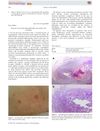
research Delayed onset perforating folliculitis associated with sorafenib
Sorafenib can cause delayed skin problems, so patients need careful monitoring.
research Treatment of Lichen Planopilaris With Abrocitinib
Abrocitinib may effectively treat Lichen Planopilaris.
research Mitoxantrone, Etoposide and Prednisolone—a Novel Combination in The Treatment of Relapsed and Refractory Lymphoma
The combination of mitoxantrone, etoposide, and prednisolone is effective for treating relapsed lymphoma with manageable side effects.
research Limited stage small cell lung cancer
Treat limited stage small cell lung cancer with chemotherapy and radiation, and consider preventive brain radiation for better survival chances.
research Refractory cutaneous lichenoid sarcoidosis treated with tranilast
Tranilast successfully treated a man's skin sarcoidosis when other treatments failed.

research PRIDE Complex (Papulopustules and/or Paronychia, Regulatory Abnormalities of Hair Growth, Itching, Dryness Due to EGFR Inhibitors)
PRIDE complex side effects from EGFR inhibitors can be managed without stopping treatment.
research The Janus kinase 1 inhibitor abrocitinib for the treatment of oral lichen planus
research Tofacitinib for the treatment of alopecia areata and variants in adolescents
Tofacitinib helped regrow hair in most adolescents with alopecia areata, but more research is needed.
research Ruxolitinib protects skin stem cells and maintains skin homeostasis in murine graft-versus-host disease
Ruxolitinib helps protect skin stem cells and keeps skin healthy in mice with skin GVHD.