January 2004 in “Banca y finanzas: Revista profesional de gestión financiera” Androgens increase pigmentation in certain hamster skin areas, but estrogens can reverse this effect.
 January 2003 in “Elsevier eBooks”
 Androgens and other hormones affect hair growth and skin conditions like acne.
December 2002 in “대한피부과학회지” Higher androgen receptor levels in bald areas may cause hair loss, while estrogen receptors have less impact.
 May 2002 in “British Journal of Dermatology”
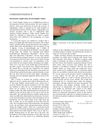
 A pregnant woman's skin condition improved after giving birth, possibly due to high estrogen levels during pregnancy.
January 2002 in “NCSU Libraries Repository (North Carolina State University Libraries)” 17b-Estradiol in skin affects hair growth and tumor promotion.
January 2000 in “Elsevier eBooks” Menopause can cause skin to become dry, less elastic, and more wrinkled due to lower estrogen levels.
 February 1999 in “Strength and Conditioning Journal”
 Androstenedione, a hormone supplement, doesn't improve muscle or performance and can cause harmful side effects.
July 1998 in “Journal of Investigative Dermatology” Correcting their experiment, the authors confirmed β-estradiol affects hair growth in mice.
 March 1997 in “Journal of Endocrinology/Journal of endocrinology”
 Excessive hair growth in women can be treated with medications like spironolactone and finasteride, and male-pattern baldness in women can be improved with similar treatments.
 May 1993 in “Drugs & Therapy Perspectives”
 Formestane is a preferred second-line treatment for advanced breast cancer in postmenopausal women because it's effective and has fewer side effects.
COCs can improve acne but may cause skin issues like cholasma; high estrogen is advised for hair loss concerns.
 March 1987 in “Journal of The American Academy of Dermatology”
 Oral spironolactone and isotretinoin are effective for treating acne.
 January 1986 in “Journal of Steroid Biochemistry”
 Lower testosterone levels in men may be linked to a higher risk of severe coronary artery disease.
Hirsutism is excessive male-pattern hair growth in women, often treated cosmetically or with hormone therapy if contraception is also desired.
December 1982 in “PubMed” Hormonal contraceptives are highly effective but require medical evaluation due to potential health risks.
 June 1982 in “Revista Colombiana de Obstetricia y Ginecología”
 El acetato de ciproterona trata problemas androgénicos como hirsutismo, acné, seborrea y alopecia con diferentes dosis y combinaciones.
Cyproterone slightly inhibited hair growth in castrated mice, while tamoxifen significantly inhibited hair growth in castrated mice but not in normal mice.

Cyproterone acetate with ethynyl estradiol significantly improved acne and seborrhea in women, but was less effective for hair loss and excessive hair growth.
Cyproterone acetate is an effective treatment for women with acne, hair loss, and excessive hair growth.
November 1978 in “PubMed” Antiandrogenic treatments can effectively manage certain skin conditions by using female hormones.
Oral contraceptives can affect skin and hair, improve acne, but may cause pigmentation, dermatitis, and other conditions.
December 1976 in “PubMed” Androgens affect skin conditions like acne and hirsutism, treatable with hormone therapy and other methods.
Contraceptives may affect hair growth due to estrogen, with effects varying by individual.
Doctors recommend postoperative radiation for male breast cancer, advise against testosterone for vasomotor symptoms post-adrenalectomy, suggest non-hormonal treatments for atrophic vaginitis after mastectomy, note no specific treatment for anticoagulant-induced hair loss, and call for more research on silicosis from silicon carbide exposure.
 October 1961 in “Archives of Dermatology”
 Reassurance is important for postpartum hair shedding as it likely won't cause complete baldness.
 February 1960 in “Journal of the American Medical Association”
 Treatments for hair loss include estrogen therapy and special shampoos.
August 2022 in “Metabolic Brain Disease” Ferulic acid may help control menstrual cycle-related epilepsy by affecting female hormones.
May 2022 in “Endocrine Abstracts” Finasteride may cause sexual dysfunction by reducing epinephrine levels.
November 2021 in “CRC Press eBooks” Female androgenic alopecia causes hair thinning in women, especially after menopause, and affects their mental well-being.
 June 2020 in “Aesthetic Surgery Journal”
 Estradiol-rich plasma can increase hair density faster and more effectively in male pattern baldness treatment than regular plasma.