 November 2017 in “JAMA internal medicine”
 Women also use 5α-reductase inhibitors, and their effects differ from men.
November 2017 in “JAMA internal medicine” Women also use 5α-reductase inhibitors for hair loss and hirsutism.
January 2017 in “University journal of surgery and surgical specialities” Steroid cell tumors in ovaries are rare, can cause hormone changes, and may be cancerous.
December 2016 in “The Journal of urology/The journal of urology” Castration significantly reduces prostate size and BPH symptoms.
October 2015 in “药物不良反应杂志” Stopping the drug usually helps, but tamoxifen or surgery may be needed if symptoms persist.
Nipple area expansion in mice needs both pregnancy hormones and mechanical strain.
April 2015 in “The FASEB Journal” Blocking androgens at birth reduces sexual motivation in male rats.
April 2015 in “The FASEB Journal” Blocking male hormones in baby rats improved memory and increased weight.
Knee laxity varies with menstrual cycle phases, being highest during ovulation and menstruation, and is influenced by sex-steroids.
 June 2013 in “Vestnik dermatologii i venerologii”
 Women with hair thinning have disrupted steroid hormone levels, but this doesn't often show as other health issues. More research is needed on hormone balance in this condition.
 May 2013 in “Springer eBooks”
 Skin problems in the elderly are unique and may indicate other diseases, involving changes in skin, hair, nails, and increased cancer risk.
 March 2013 in “Journal für Kardiologie (Krause & Pachernegg GmbH)”
 Hormones significantly affect hair growth and loss, with potential for new treatments.
 December 2012 in “Journal of Dermatological Science”
 Wnt/beta-catenin signaling in the skin helps fat cell development during hair growth and repair.
 January 2011 in “Journal für Kardiologie (Krause & Pachernegg GmbH)”
 Postmenopausal women often experience hair loss on the scalp and increased facial hair, but iron supplements may not help.
 November 2010 in “Clin-Alert”
 Monitoring for adverse effects in clinical treatments is crucial.
 March 2010 in “Ejc Supplements”
 CK 5/6 expression in breast cancer is linked to negative hormone receptor status and higher tumor grade.
 March 2010 in “Ejc Supplements”
 ROR-alpha may increase the growth of certain breast cancer cells by boosting aromatase, which could affect breast cancer prognosis.
January 2008 in “农业科学与技术(英文版)” Higher estradiol levels slow cashmere goat hair growth.
January 2007 in “UKnowledge (University of Kentucky)” Steers with winter hair coats and reduced sweating struggled with heat, leading to less grazing and poor performance.
 January 2003 in “Elsevier eBooks”
 Androgens and other hormones affect hair growth and skin conditions like acne.
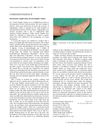 May 2002 in “British Journal of Dermatology”
 A pregnant woman's skin condition improved after giving birth, possibly due to high estrogen levels during pregnancy.
January 2000 in “Elsevier eBooks” Menopause can cause skin to become dry, less elastic, and more wrinkled due to lower estrogen levels.
July 1998 in “Journal of Investigative Dermatology” Correcting their experiment, the authors confirmed β-estradiol affects hair growth in mice.
 March 1997 in “Journal of Endocrinology/Journal of endocrinology”
 Excessive hair growth in women can be treated with medications like spironolactone and finasteride, and male-pattern baldness in women can be improved with similar treatments.
COCs can improve acne but may cause skin issues like cholasma; high estrogen is advised for hair loss concerns.
 March 1987 in “Journal of The American Academy of Dermatology”
 Oral spironolactone and isotretinoin are effective for treating acne.
Cyproterone slightly inhibited hair growth in castrated mice, while tamoxifen significantly inhibited hair growth in castrated mice but not in normal mice.

Cyproterone acetate with ethynyl estradiol significantly improved acne and seborrhea in women, but was less effective for hair loss and excessive hair growth.
Cyproterone acetate is an effective treatment for women with acne, hair loss, and excessive hair growth.
November 1978 in “PubMed” Antiandrogenic treatments can effectively manage certain skin conditions by using female hormones.