 January 2000 in “Time to knit”
 SFE is a better extraction method, and the HPTLC method is effective for analyzing wedelolactone in E. alba.
May 2025 in “CPT Pharmacometrics & Systems Pharmacology” A 50 mg non-loading dose of ritlecitinib is safe for adults and adolescents.
 June 2026 in “Indian Journal of Postgraduate Dermatology”
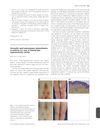
 Rash from EGFRI treatment can indicate both side effects and treatment effectiveness.
January 2004 in “Drug Development and Industrial Pharmacy” GI197111X is best dissolved in Capmul MCM for trials.
23 citations
,
October 2015 in “Plastic and reconstructive surgery/PSEF CD journals” Radiesse is a versatile facial injectable used for cosmetic improvements and long-term collagen production, with careful dosing needed to prevent complications.
26 citations
,
January 2005 in “PubMed” RUM-loaded SLN shows promise for treating acne and hair loss topically.
 9 citations
,
January 2013 in “Case reports in emergency medicine”
9 citations
,
January 2013 in “Case reports in emergency medicine” Eating Citrullus colocynthis can cause severe intestinal bleeding and damage.
 December 2023 in “Sains Malaysiana”
 The enzyme Rand protease works well for leather dehairing and its stability is important, with Leu75 playing a key role.
10 citations
,
November 2023 in “European Journal of Lipid Science and Technology” Walnut extract may help lower cholesterol and inflammation.
 October 2025 in “Dermatology and Therapy”
 Ritlecitinib is being tested for effectiveness and safety in treating severe alopecia areata.
21 citations
,
March 2021 in “Molecules” The new formulation greatly improved quercetin absorption in rats.
April 2026 in “SSRN Electronic Journal” 6 citations
,
March 2024 in “SKIN The Journal of Cutaneous Medicine” Ritlecitinib is effective for long-term treatment of severe alopecia areata.
1 citations
,
November 2025 in “American Journal of Clinical Dermatology” The updated integrated safety analysis of the ALLEGRO clinical trials evaluated the long-term safety of ritlecitinib in patients aged 12 years and older with alopecia areata over approximately 5 years. The study included 1,294 patients in the any-ritlecitinib group and 1,228 in the ritlecitinib 50 mg ± 200 mg group. Adverse events (AEs) were common, occurring in 87.1% of the 50 mg ± 200 mg group and 89.5% of the any-ritlecitinib group, with headache, positive SARS-CoV-2 test, and nasopharyngitis being the most frequent. Serious AEs were reported in 6.8% of patients in both groups. The incidence rates for opportunistic infections, herpes zoster, malignancies, and major adverse cardiovascular events were low. Overall, the safety profile of ritlecitinib was consistent with previous data, indicating it was generally well tolerated for long-term use in this patient population.
June 2026 in “British Journal of Dermatology” This study evaluated the real-world use of ritlecitinib for treating severe alopecia areata (AA) in 145 patients at a UK dermatology center. Of the 19 patients who completed 36 weeks of treatment, 37% achieved significant hair regrowth with SALT scores ≤ 20, while 32% had moderate improvement, and 32% were nonresponders. Notably, 83% of nonresponders had AA for over 10 years, suggesting that the duration of AA may affect treatment response. No serious adverse effects were reported, and only 4.1% discontinued treatment due to minor side effects or unrelated reasons. The findings indicate that ritlecitinib is effective and safe, though further long-term data are needed.
July 2026 in “Journal of the American Academy of Dermatology”  May 2019 in “Asian Journal of Pharmaceutical and Clinical Research”
 Eclipta prostrata, particularly its chloroform fraction, effectively reduces inflammation and arthritis.
March 2023 in “SKIN The Journal of Cutaneous Medicine” Ritlecitinib helped most alopecia areata patients regrow hair by Week 48.
October 2025 in “Figshare” Deuruxolitinib effectively treats alopecia areata but may cause manageable side effects.
 March 2026 in “American Journal of Clinical Dermatology”
 Ritlecitinib is effective and safe for long-term use in treating severe alopecia areata in people aged 12 and older.
 6 citations
,
February 2016 in “British Journal of Dermatology”
6 citations
,
February 2016 in “British Journal of Dermatology” A woman with a drug allergy to anakinra was successfully desensitized, allowing her to continue treatment without allergic reactions.
June 2026 in “British Journal of Dermatology” This multicentre retrospective study evaluated the real-world efficacy and safety of ritlecitinib in treating alopecia areata (AA) in 31 patients, with an average age of 36 years and a female-to-male ratio of 4:1. After 52 weeks of treatment, 51% of patients achieved a Severity of Alopecia Tool (SALT) score of ≤ 20, indicating significant hair regrowth, although the response was slow, with only 8 patients showing benefits by week 16. The study found no serious adverse events, though 2 patients experienced treatment interruptions due to transient blood abnormalities or infection. These findings suggest that ritlecitinib is a promising treatment for AA, with international registries needed to further explore predictors of response and treatment duration.
A rash from semaglutide may be due to propylene glycol, not the drug itself.
Eclipta alba IIHR Sel EA 43 is best for large-scale cultivation due to high growth, yield, and wedelolactone content.
 January 2024 in “International Journal of Biological and Environmental Investigations”
 A reliable method was developed to measure dutasteride in tablets accurately and consistently.
3 citations
,
July 2025 in “Clinical and Experimental Dermatology” Ritlecitinib may be more effective for severe alopecia areata than conventional treatments.
 1 citations
,
July 2025 in “SKIN The Journal of Cutaneous Medicine”
1 citations
,
July 2025 in “SKIN The Journal of Cutaneous Medicine” Ritlecitinib is effective and safe for long-term treatment of alopecia areata.
May 2026 in “Dermatology and Therapy” This study analyzed the real-world use of ritlecitinib, an oral treatment for severe alopecia areata (AA), in 123 adults in the USA. The average patient age was 37 years, with a mean disease duration of 2.1 years. Nearly half of the patients were using ritlecitinib as their first AA treatment. Results showed that hair regrowth and treatment satisfaction increased with longer treatment duration: 49% of patients experienced hair regrowth within 3 months, rising to 82% after more than 6 months. Satisfaction with AA control also improved from 54% to 85% over the same period. Many patients initially felt embarrassed, frustrated, and anxious due to their condition. Ritlecitinib was chosen for its efficacy, safety, and cost-effectiveness, and it was found to improve hair growth and quality of life, particularly with sustained use.
November 2025 in “SKIN The Journal of Cutaneous Medicine” Ritlecitinib 50 mg effectively promotes and sustains hair regrowth in alopecia areata patients.
 10 citations
,
October 2015 in “Medicina Clínica (english Edition)”
10 citations
,
October 2015 in “Medicina Clínica (english Edition)” Recombinant human epidermal growth factor is versatile, effective, and safe for long-term skin and mucosal treatments.