March 2018 in “Chin J Reprod Contracep” Chlormadinone acetate is useful for birth control and treating various hormonal issues.
 November 2017 in “JAMA internal medicine”
 Women also use 5α-reductase inhibitors, and their effects differ from men.
 January 2011 in “Journal für Kardiologie (Krause & Pachernegg GmbH)”
 Postmenopausal women often experience hair loss on the scalp and increased facial hair, but iron supplements may not help.
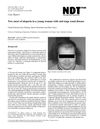
A young woman with kidney failure had hair loss due to a common hormonal disorder, which improved with hormone therapy.
 January 2008 in “The New England Journal of Medicine”
 Children receive less than half of recommended health care, and routine hormonal testing for female-pattern hair loss is unnecessary without other androgen excess symptoms.
Hirsutism, often caused by PCOS, is treated with medication and weight loss is important for obese women with PCOS.
 January 1977 in “Case Reports in Medicine”
 Steroid cell tumors in the ovary are rare, can produce testosterone causing symptoms, and are mainly treated with surgery.

Hair loss in women can be caused by genetics, menopause, certain health conditions, and emotional stress, and it often results in thinner hair and a changing hairline.
 December 2013 in “Faculty Opinions – Post-Publication Peer Review of the Biomedical Literature”
 Flutamide, an oral anti-androgen therapy, is effective in treating female pattern hair loss, even without systemic androgen excess.
 December 2025 in “Zenodo (CERN European Organization for Nuclear Research)”
 Anti-androgens help manage PCOS symptoms like excess hair and acne.
 December 2025 in “Zenodo (CERN European Organization for Nuclear Research)”
 Anti-androgens help manage PCOS symptoms like excess hair and acne.
 7 citations
,
April 2009 in “Bioorganic & Medicinal Chemistry Letters”
7 citations
,
April 2009 in “Bioorganic & Medicinal Chemistry Letters” Diphenyl ethers can potentially reduce excess oil production when applied on the skin, helping treat conditions like acne.
 5 citations
,
January 1984 in “Journal of psychosomatic obstetrics and gynecology/Journal of psychosomatic obstetrics and gynaecology”
5 citations
,
January 1984 in “Journal of psychosomatic obstetrics and gynecology/Journal of psychosomatic obstetrics and gynaecology” The treatment reduced hair growth and testosterone in women with excess hair and had some effects on stress responses.
7 citations
,
July 1981 in “Clinical and Experimental Dermatology” The normalized androgen ratio can help manage conditions with excess androgen activity in women.
 16 citations
,
January 2000 in “The Journal of clinical endocrinology and metabolism/Journal of clinical endocrinology & metabolism”
16 citations
,
January 2000 in “The Journal of clinical endocrinology and metabolism/Journal of clinical endocrinology & metabolism” Antiandrogen drugs can reduce PSA levels in women with excess hair, suggesting PSA is a sign of male hormone activity in women.
147 citations
,
October 2004 in “Experimental dermatology” Hormones like testosterone affect skin functions and can cause skin issues when in excess; treatments to manage these effects are only somewhat effective.
 37 citations
,
January 2008 in “Gynecological Endocrinology”
37 citations
,
January 2008 in “Gynecological Endocrinology” Shorter CAG repeats in a specific gene may increase male hormone activity and symptoms like acne and excess hair in women with PCOS.
3 citations
,
December 2024 in “EClinicalMedicine” Anti-androgens are not better than birth control pills for PCOS, but can help with excess hair if pills don't work.
Hormonal treatments can help with hair loss, acne, and excess hair growth, but it takes 3-6 months to see results and patients should know the possible side effects.
 8 citations
,
March 2010 in “Gynecological Endocrinology”
8 citations
,
March 2010 in “Gynecological Endocrinology” Free Testosterone Index, bioavailable testosterone, and androstenedione are the most accurate for diagnosing excess male hormones in PCOS.
 19 citations
,
July 1990 in “Cleveland Clinic journal of medicine”
19 citations
,
July 1990 in “Cleveland Clinic journal of medicine” Androgen excess disorders in women were effectively treated with spironolactone, estrogen, and dexamethasone.
15 citations
,
May 2021 in “Climacteric” Postmenopausal hyperandrogenism involves excess male hormones causing symptoms like hair growth and acne, and requires ruling out tumors and other disorders.
3 citations
,
March 1992 in “Journal of clinical pathology” Most women with excess hair growth need only a clinical evaluation and minimal tests unless they show signs of virilism.
 3 citations
,
May 1990 in “Journal of Steroid Biochemistry”
3 citations
,
May 1990 in “Journal of Steroid Biochemistry” Some women with excess hair growth have a hormone condition that can't be diagnosed by blood or urine tests alone.
 2 citations
,
September 2008 in “Fertility and Sterility”
2 citations
,
September 2008 in “Fertility and Sterility” Clinical signs of excess male hormones and actual hormone levels in the blood do not always match in women with polycystic ovary syndrome.
 November 2023 in “JCEM Case Reports”
 A postmenopausal woman's excess male hormone symptoms improved after her ovaries were removed.
6 citations
,
January 2001 in “Cambridge University Press eBooks” PCOS can cause excess hair growth, oily skin, hair loss, acne, and dark skin patches.
3 citations
,
January 2017 in “Gynecological endocrinology” A postmenopausal woman's excess male hormone symptoms were caused by a rare adrenal gland tissue in her ovary.
2 citations
,
January 1981 Antiandrogens can treat excess body hair and hair loss by blocking male hormones.
October 2025 in “F1000Research” Postmenopausal women with excess male hormones may have ovarian tumors, and surgery usually cures them.