
Hair loss can significantly affect mental health.
 May 2026 in “International Journal of Creative and Open Research in Engineering and Management”
 A balanced diet and healthy lifestyle are crucial for preventing hair loss.
 207 citations
,
April 2006 in “Journal of The American Academy of Dermatology”
207 citations
,
April 2006 in “Journal of The American Academy of Dermatology” Iron deficiency may be related to hair loss, but there's not enough evidence to recommend iron screening or supplements for all hair loss patients.
 September 2024 in “Cosmoderma”
 Biotin doesn't help hair growth in healthy people and can cause health risks if overused.
January 2004 in “Nederlands Tijdschrift voor Dermatologie & Venereologie” Female pattern hair loss causes thinning hair on top of the scalp, treatable with limited success.
 4 citations
,
November 2020 in “Journal of Cosmetic Dermatology”
4 citations
,
November 2020 in “Journal of Cosmetic Dermatology” Most Facebook posts about hair loss treatments are promotional and not medically supported, with better quality information found on YouTube.
 3 citations
,
January 2011 in “Wspolczesna Onkologia-Contemporary Oncology”
3 citations
,
January 2011 in “Wspolczesna Onkologia-Contemporary Oncology” Scalp hypothermia can prevent chemotherapy-induced hair loss but is not suitable for all patients, and more research is needed to improve prevention methods.
1 citations
,
October 2022 in “Current Opinion in Endocrinology, Diabetes and Obesity” Female pattern hair loss is common in women with polycystic ovarian syndrome.
 December 2022 in “Journal of Dermatology Research”
 Platelet Rich Plasma (PRP) treatment significantly improved Female Pattern Hair Loss in a study, but more trials are needed for confirmation.
January 2016 in “Hair transplant forum international” Microneedling shows promise for hair growth but needs more research.
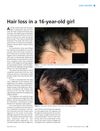 November 2014 in “Prescriber”
 The 16-year-old girl with hair loss was successfully treated for alopecia areata, leading to significant hair regrowth.
 239 citations
,
July 2002 in “Clinical and Experimental Dermatology”
239 citations
,
July 2002 in “Clinical and Experimental Dermatology” Low iron and L-lysine levels can cause hair loss in women, and increasing these nutrients can reduce hair shedding.
 12 citations
,
June 2018 in “Journal of Cosmetic Dermatology”
12 citations
,
June 2018 in “Journal of Cosmetic Dermatology” PRP is effective for hair loss and might work better with other treatments, but more research is needed.
 3 citations
,
November 2020 in “Journal of Drugs in Dermatology”
3 citations
,
November 2020 in “Journal of Drugs in Dermatology” Cold plasma treatment for hair loss was well tolerated and showed improvement in most patients.
 134 citations
,
December 2018 in “Dermatology and Therapy”
134 citations
,
December 2018 in “Dermatology and Therapy” Some vitamins and minerals like vitamin D and iron can help with certain types of hair loss, but more research is needed for others.
1 citations
,
July 2024 in “British Journal of Dermatology” Inhibiting certain proteins harms hair follicle immunity and increases IL-33, affecting hair health.
Hair restoration surgery is becoming more common as male pattern baldness increases with age.
15 citations
,
January 2025 in “Journal of the European Academy of Dermatology and Venereology” Ritlecitinib is effective and safe for treating alopecia areata, promoting significant hair regrowth.
November 2022 in “Journal of Investigative Dermatology” Deleting MPZL3 increases skin oil production and reduces body fat.
 March 1997 in “Journal of Endocrinology/Journal of endocrinology”
 Excessive hair growth in women can be treated with medications like spironolactone and finasteride, and male-pattern baldness in women can be improved with similar treatments.
July 2020 in “DOAJ (DOAJ: Directory of Open Access Journals)” Excessive sun protection might contribute to frontal fibrosing alopecia.
 43 citations
,
November 1975 in “Archives of Dermatology”
43 citations
,
November 1975 in “Archives of Dermatology” Testosterone affects hair loss, acne, and excessive hair growth, and antiandrogens can help treat these conditions.
 February 2021 in “Endocrinology, diabetes & metabolism case reports”
 A postmenopausal woman's excessive hair growth and hair loss were due to a non-cancerous ovarian condition, treated successfully with surgery.
54 citations
,
May 2001 in “Journal of Investigative Dermatology” Excessive putrescine causes hair loss in transgenic mice by disrupting hair follicle development.
27 citations
,
June 2010 in “Journal of the American Academy of Dermatology” Excessive selenium in supplements can cause hair loss and nail issues.
8 citations
,
August 1970 in “JAMA” Excessive vitamin A can cause symptoms that mimic serious brain conditions.
 September 2024 in “Meditsinskiy sovet = Medical Council”
 Excessive vitamin A intake can cause eye damage, but recovery is possible with proper treatment.
 November 2022 in “Journal of the Endocrine Society”
 Excessive iodine from a cystic fibrosis supplement can cause hypothyroidism.
 18 citations
,
March 2016 in “Cosmetics”
18 citations
,
March 2016 in “Cosmetics” Telogen Effluvium is a condition causing excessive hair loss due to stress, illness, drugs, or hormonal changes, and can be treated with specific products or naturally resolves after 3-4 years.
 July 2022 in “المجلة العراقية للصيدلة”
 Most women with excessive hair growth (hirsutism) also experience a common type of non-scarring hair loss called Androgenetic alopecia with telogen effluvium.