
A new easy-to-use biosensor was made to detect androgen receptor mRNA, which could help diagnose related conditions quickly.
April 2019 in “Journal of the Endocrine Society” A woman's severe insulin resistance improved with treatment, but she still had high testosterone levels due to ovarian issues.
Different medications improved various PCOS symptoms and quality of life in Pakistani women, but did not significantly help with excessive hair growth.
January 2019 in “OpenBU/Boston University Institutional Repository (Boston University)” Women with PCOS often show signs of excess androgens like hirsutism, acne, and alopecia, with variations across ethnic groups.
 February 2018 in “InTech eBooks”
 Diagnosing and treating PCOS is complex due to differing criteria and requires a team approach.
 December 2016 in “Springer eBooks”
 Chrousos Syndrome is caused by mutations that make the body less sensitive to glucocorticoids, leading to various symptoms and requiring high-dose treatment.
 August 2016 in “Journal of evolution of medical and dental sciences”
 Most acne patients were young males with face acne, with many experiencing worsening in summer and diet-related aggravation.
June 2016 in “Annals of the Rheumatic Diseases” Long-term glucocorticoid use can cause skin problems like easy bruising and poor wound healing, especially at higher doses.
 January 2016 in “Dermatology Review”
 Endocrine disorders can cause various skin and hair issues.
High insulin levels are more common and a better predictor of carbohydrate issues in women with PCOS than glucose tolerance tests.
 February 2012 in “Clinical and Experimental Dermatology”
 Many adult women experience unexplained excessive hair shedding, often starting before age 40.
January 2011 in “Revista Portuguesa de Endocrinologia Diabetes e Metabolismo” Congenital adrenal hyperplasia may be linked to adrenal myelolipoma.

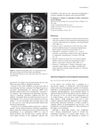
A 73-year-old woman's unusual hair loss and growth led to the discovery of a rare condition causing too much testosterone, which improved after her ovaries were removed.
 May 2006 in “Women's Health Medicine”
 Excessive hair growth in women, often from high androgen levels, is usually caused by PCOS, and can be treated with hair removal, medication, and possibly weight loss.
December 2005 in “The Sri Lanka Journal of Dermatology” Many young Sri Lankan women entering university have excessive hair growth.
 February 2005 in “Journal of The American Academy of Dermatology”
 Metabolic syndrome can cause serious health issues and should be considered when treating women with severe acne.
January 2005 in “Elsevier eBooks” Insulin resistance and hyperinsulinism are linked to fertility issues and can worsen symptoms of PCOS.
 September 2002 in “Fertility and sterility”
 Female relatives of PCOS patients have a higher chance of showing PCOS symptoms.
September 1998 in “JEADV. Journal of the European Academy of Dermatology and Venereology/Journal of the European Academy of Dermatology and Venereology” Intermittent isotretinoin can cause various skin, hair, and nail changes.
July 1993 in “学術講演梗概集. A, 材料施工,防火,海洋,情報システム技術” Evaluate prolactin levels with androgen and thyroid tests to rule out endocrine issues in patients with SAHA syndrome symptoms.
 April 1992 in “Current opinion in therapeutic patents”
 New steroids were patented as effective for treating acne, hair loss, and other conditions related to hormones.
January 1990 in “Journal of dermatological treatment” Clinical features of hyperandrogenism do not predict the success of conventional acne treatment in women.
 July 1987 in “Reactions (Auckland)”
 Oral minoxidil may slow male pattern baldness and cause body hair growth, but hair loss can happen after stopping it.
 January 1983 in “Elsevier eBooks”
 Cyproterone acetate is used to treat conditions like prostate cancer, early puberty, excessive sexual drive, and female androgenization by affecting androgen functions and suppressing certain hormones.

Anti-androgens can help treat tough skin conditions like severe acne and excessive hair growth.

Choose oral contraceptives with specific side effects to manage issues like acne and avoid unwanted effects.
 February 1976 in “PubMed”
 Sex hormone therapy is effective for certain skin conditions like acne and seborrhea, but less so for female hair loss and excessive hair growth.
 May 1963 in “American journal of obstetrics and gynecology”
 Injecting 2 ml of TEEV every 4 weeks is better because it has the same benefits but fewer side effects.
April 2020 in “International journal of reproduction, contraception, obstetrics and gynecology” A postmenopausal woman with hair loss and hirsutism improved after surgery to remove an ovarian tumor.
January 2020 in “International Journal of Trichology” Androgen-producing ovarian tumors can cause male-pattern hair loss in women.