 466 citations
,
August 2004 in “Journal of the American Academy of Dermatology”
466 citations
,
August 2004 in “Journal of the American Academy of Dermatology” Rosacea is a skin condition with unclear causes, classified into four subtypes.
 339 citations
,
February 2014 in “Journal of The American Academy of Dermatology”
339 citations
,
February 2014 in “Journal of The American Academy of Dermatology” Most patients with frontal fibrosing alopecia are postmenopausal women, and treatments like finasteride and dutasteride can improve or stabilize the condition.
278 citations
,
May 2013 in “Ca” Targeted anticancer therapies can cause severe side effects similar to traditional chemotherapy, but with different types.
219 citations
,
January 2005 in “Plastic & Reconstructive Surgery” Surgical treatment can significantly reduce or eliminate migraine symptoms.
191 citations
,
December 2013 in “Plastic & Reconstructive Surgery” Surgical deactivation can significantly reduce or eliminate migraine symptoms.
 185 citations
,
June 2014 in “Journal of Investigative Dermatology”
185 citations
,
June 2014 in “Journal of Investigative Dermatology” A man with severe hair loss and skin disease regrew his hair with no side effects after taking tofacitinib.
 162 citations
,
August 2002 in “Survey of Ophthalmology”
162 citations
,
August 2002 in “Survey of Ophthalmology” Latanoprost can make eyelashes longer, thicker, and darker.
159 citations
,
August 2010 in “British journal of dermatology/British journal of dermatology, Supplement” Hydroxychloroquine effectively reduces symptoms of frontal fibrosing alopecia, especially in the first 6 months.
 155 citations
,
September 2008 in “British journal of dermatology/British journal of dermatology, Supplement”
155 citations
,
September 2008 in “British journal of dermatology/British journal of dermatology, Supplement” FFA is more common in postmenopausal women, can affect younger women, and may stabilize over time.
149 citations
,
March 1981 in “American Journal of Ophthalmology” Eyelid mites may contribute to eye problems.
 134 citations
,
June 2012 in “International Journal of Oral and Maxillofacial Surgery”
134 citations
,
June 2012 in “International Journal of Oral and Maxillofacial Surgery” Facial feminization surgery is effective in helping transgender women appear more feminine and has high patient satisfaction.
 117 citations
,
August 2019 in “Drug Design Development and Therapy”
117 citations
,
August 2019 in “Drug Design Development and Therapy” Minoxidil effectively treats hair loss, but use cautiously and monitor side effects.
 105 citations
,
February 2017 in “British Journal of Dermatology”
105 citations
,
February 2017 in “British Journal of Dermatology” Survivors of Stevens-Johnson syndrome/toxic epidermal necrolysis need ongoing care for various long-term health problems.
 89 citations
,
February 2002 in “Australasian journal of dermatology”
89 citations
,
February 2002 in “Australasian journal of dermatology” A premenopausal woman had hair loss and skin issues, treated with topical steroids.
86 citations
,
January 2020 in “British Journal of Dermatology” The AA-IGA scale reliably measures treatment success in alopecia areata by considering both clinician and patient views.
74 citations
,
April 2017 in “JEADV. Journal of the European Academy of Dermatology and Venereology/Journal of the European Academy of Dermatology and Venereology” Researchers found three patterns of Frontal fibrosing alopecia, with Pattern III having the best prognosis after treatment.
71 citations
,
January 2011 in “Orphanet Journal of Rare Diseases” IFAP syndrome is a rare genetic disorder causing skin, hair, and eye issues, with limited treatment options.
 67 citations
,
September 2003 in “Plastic and Reconstructive Surgery”
67 citations
,
September 2003 in “Plastic and Reconstructive Surgery” Micrografts and minigrafts are safe and effective for hair transplantation in facial and scalp reconstruction, providing high patient satisfaction.
 66 citations
,
June 2021 in “Journal of The American Academy of Dermatology”
66 citations
,
June 2021 in “Journal of The American Academy of Dermatology” Baricitinib is effective and safe for treating severe alopecia areata.
 64 citations
,
June 2009 in “Journal of The American Academy of Dermatology”
64 citations
,
June 2009 in “Journal of The American Academy of Dermatology” Oral dutasteride can potentially treat frontal fibrosing alopecia in postmenopausal women, with some patients showing disease arrest and hair regrowth.
 63 citations
,
October 2011 in “Archives of Dermatology”
63 citations
,
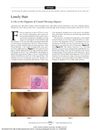
October 2011 in “Archives of Dermatology” Isolated long hairs at the original hairline can help diagnose Frontal Fibrosing Alopecia.
57 citations
,
August 2023 in “American Journal of Clinical Dermatology” JAK inhibitors and platelet-rich plasma show promise for treating alopecia areata.
 57 citations
,
January 2003 in “Clinical and experimental dermatology”
57 citations
,
January 2003 in “Clinical and experimental dermatology” Postmenopausal frontal fibrosing alopecia is a type of hair loss in postmenopausal women that may stop on its own but has no effective treatment.
 53 citations
,
October 2018 in “Aesthetic Surgery Journal”
53 citations
,
October 2018 in “Aesthetic Surgery Journal” Google Trends data on facial cosmetic procedures matches actual surgery numbers, showing it can help plastic surgeons understand public interest.
 51 citations
,
June 2016 in “Journal of the European Academy of Dermatology and Venereology”
51 citations
,
June 2016 in “Journal of the European Academy of Dermatology and Venereology” Tofacitinib was effective in treating hair loss in two patients with alopecia universalis.
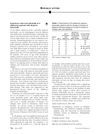
51 citations
,
May 2004 in “American journal of ophthalmology” Using topical prostaglandin F2α for glaucoma may cause loss of eyelash or eyebrow pigment.
 49 citations
,
March 2017 in “Journal of the American Academy of Dermatology”
49 citations
,
March 2017 in “Journal of the American Academy of Dermatology” Tofacitinib caused significant hair regrowth in adolescents with alopecia universalis who didn't respond to other treatments.
44 citations
,
April 2019 in “Journal of the American Academy of Dermatology” Cyclosporine showed some improvement in alopecia areata but results were not statistically significant.
41 citations
,
January 1992 in “Journal of medical genetics” The study found that males with KFSD had severe skin and eye symptoms, while female carriers had milder symptoms.
 39 citations
,
April 2001 in “Journal of The American Academy of Dermatology”
39 citations
,
April 2001 in “Journal of The American Academy of Dermatology” Latanoprost, a glaucoma medication, caused excessive eyelid hair growth in many patients.