 January 2020 in “International Journal of PharmTech Research”
 A man with severe leprosy developed painless ulcers and numbness, treated successfully with multiple drugs and vitamins.
 January 2015 in “Journal of evolution of medical and dental sciences”
 Topical tacrolimus is effective and safe for treating alopecia areata.
 January 2011 in “Springer eBooks”
 Eating a balanced diet with the right vitamins and minerals is important for healthy hair, but too many supplements can be harmful.
The new minoxidil gel reduces runoff and improves eyebrow hair growth.
 87 citations
,
December 2016 in “British journal of dermatology/British journal of dermatology, Supplement”
87 citations
,
December 2016 in “British journal of dermatology/British journal of dermatology, Supplement” Cancer patients treated with immune checkpoint inhibitors may develop alopecia, but some hair regrowth is possible with treatment.
 44 citations
,
September 2015 in “Annals of Oncology”
44 citations
,
September 2015 in “Annals of Oncology” Targeted cancer therapies have a significant but lower risk of causing hair loss compared to chemotherapy.
 44 citations
,
August 2010 in “Lupus”
44 citations
,
August 2010 in “Lupus” Lupus can affect the scalp and nails, often causing hair loss and nail damage, and needs early aggressive treatment to prevent permanent damage.
 31 citations
,
January 2014 in “Journal of endocrinological investigation”
31 citations
,
January 2014 in “Journal of endocrinological investigation” Woodhouse-Sakati syndrome often causes sexual development issues, hair loss, learning disabilities, deafness, muscle contractions, limb pain, and diabetes.
 26 citations
,
December 2011 in “Journal of Investigative Dermatology”
26 citations
,
December 2011 in “Journal of Investigative Dermatology” New gene identification techniques have improved the understanding and classification of inherited hair disorders.

research Acne
2 citations
,
May 2011 in “Harper's Textbook of Pediatric Dermatology” Acne is a common skin condition linked to diet, hormones, and genetics, and early treatment can prevent scarring.
 1 citations
,
October 2022 in “Dermatology practical & conceptual”
1 citations
,
October 2022 in “Dermatology practical & conceptual” Isolated patchy heterochromia with pili annulati can occur without other health issues.
 1 citations
,
November 2019 in “International Journal of Dermatology”
1 citations
,
November 2019 in “International Journal of Dermatology” A 6-year-old girl with alopecia universalis regrew most of her hair after treatment with simvastatin/ezetimibe, minoxidil, and prednisolone.
Doctors should consider Netherton syndrome in patients with chronic skin and hair issues to avoid misdiagnosis.
 October 2021 in “Dermatology Reports”
 Higher IL-17A levels indicate more severe alopecia areata.
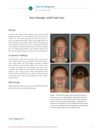 July 2019 in “Journal der Deutschen Dermatologischen Gesellschaft”
 A mother and daughter have a rare genetic hair loss disorder with no effective treatment.
 86 citations
,
October 2013 in “Dermatologic Clinics”
86 citations
,
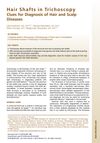
October 2013 in “Dermatologic Clinics” Trichoscopy is a useful non-invasive method for diagnosing different hair loss conditions.
 2 citations
,
July 2012 in “InTech eBooks”
2 citations
,
July 2012 in “InTech eBooks” People with alopecia areata often have thyroid autoimmunity.
 November 2019 in “Harper's Textbook of Pediatric Dermatology”
 Understanding normal hair growth and loss in children is key to diagnosing and treating hair disorders.
 115 citations
,
October 2009 in “The Journal of clinical endocrinology and metabolism/Journal of clinical endocrinology & metabolism”
115 citations
,
October 2009 in “The Journal of clinical endocrinology and metabolism/Journal of clinical endocrinology & metabolism” The research found that Atypical Progeroid Syndrome has unique symptoms and is not caused by the buildup of a certain mutant protein.
 74 citations
,
July 2008 in “Journal of Dermatological Case Reports”
74 citations
,
July 2008 in “Journal of Dermatological Case Reports” Trichoscopy is a quick and easy way to diagnose most genetic hair problems without invasive methods.
 30 citations
,
January 2013 in “International Journal of Trichology”
30 citations
,
January 2013 in “International Journal of Trichology” The most common causes of hair loss in Jordanian children are fungal infections, autoimmune hair loss, and hair shedding after fever, with zinc deficiency also being a notable cause.
 February 2026 in “Frontiers in Medicine”
 Trichoscopy can help diagnose early congenital syphilis in newborns.
2 citations
,
July 2024 in “Indian Journal of Dermatology” Adults with alopecia areata often have empty follicular openings, while children show more honeycomb pigment patterns.
23 citations
,
January 1964 in “Archives of Dermatology” Treatment with vitamin A did not improve the child's skin condition.
20 citations
,
March 2021 in “Drug design, development and therapy” Topical immunotherapy can treat alopecia areata, but its effectiveness varies and the exact mechanism is unclear.
 9 citations
,
January 2020 in “Postepy Dermatologii I Alergologii”
9 citations
,
January 2020 in “Postepy Dermatologii I Alergologii” Frontal fibrosing alopecia is a poorly understood condition with increasing cases and unclear treatment effectiveness.
 6 citations
,
February 2023 in “Journal of the American Academy of Dermatology”
6 citations
,
February 2023 in “Journal of the American Academy of Dermatology” Upadacitinib improved hair regrowth and quality of life in alopecia areata patients with minimal side effects.
 June 2024 in “Frontiers in immunology”
 Sequential therapy with dupilumab and baricitinib improved hair regrowth and atopic dermatitis in a child without adverse reactions.
 1 citations
,
October 2022 in “international journal of endocrinology and metabolism”
1 citations
,
October 2022 in “international journal of endocrinology and metabolism” People with hypothyroidism and hair loss often have more hair and scalp issues than those without thyroid problems.
 April 2024 in “Authorea (Authorea)”
 Stopping heptaminol medication reversed hair color loss in a patient on dialysis.