 1 citations
,
January 2016 in “International journal of reproduction, contraception, obstetrics and gynecology”
1 citations
,
January 2016 in “International journal of reproduction, contraception, obstetrics and gynecology” Hypothyroidism may worsen metabolic problems like insulin resistance and obesity in women with PCOS.
12 citations
,
October 2022 in “Facial Plastic Surgery” Polycaprolactone gel is effective and safe for treating nasolabial folds.
April 2021 in “The journal of investigative dermatology/Journal of investigative dermatology” Lichen planopilaris in men often affects the scalp, eyebrows, arms, legs, and beard, with many having family members with hair loss.
 1 citations
,
December 2017 in “Acta biomedica scientifica”
1 citations
,
December 2017 in “Acta biomedica scientifica” Women of reproductive age with polycystic ovary syndrome often experience hair loss.
 May 2024 in “International Seven Multidisciplinary Journal”
 PCOS causes skin issues like excess hair, acne, and hair loss, needing a team approach for treatment.
 2 citations
,
August 2008 in “Journal of Liaquat University of Medical & Health Sciences”
2 citations
,
August 2008 in “Journal of Liaquat University of Medical & Health Sciences” A painless cheek lump was misdiagnosed but found to be a rare, benign skin lesion called pilomatrixoma, treatable by surgery.
 9 citations
,
February 2004 in “Clinical and Experimental Ophthalmology”
9 citations
,
February 2004 in “Clinical and Experimental Ophthalmology” The document discusses various eye conditions and their treatments, including a rare eye cancer in a baby, vision loss from a cancer drug, cataracts from a baldness treatment, a rare skin disorder, and a specific type of eye disease diagnosed with a special imaging technique.
 3 citations
,
October 2021 in “Journal of Cosmetic Dermatology”
3 citations
,
October 2021 in “Journal of Cosmetic Dermatology” Trichoscopy helps tell apart Frontal Fibrosing Alopecia and Lichen planopilaris by showing different hair and scalp features.
2 citations
,
January 2010 in “Case Reports in Medicine” Relapsing polychondritis might be linked to alopecia areata due to immune system factors.
 May 2026 in “Scientific Reports”
 Overexpression of LRIG3 in skin causes hair loss.
April 2024 in “International Journal of Women’s Dermatology” Lichen planopilaris should be considered in diagnosing scarring hair loss in Black women.
1 citations
,
May 2024 in “Skin Appendage Disorders” Early detection of Lichen Planopilaris is important to prevent worsening and misdiagnosis.
13 citations
,
July 2004 in “Pediatric dermatology” A new severe form of monilethrix syndrome includes hair loss, scalp itching, cataracts, and distinct facial features.
 March 2021 in “Annals of Translational Medicine”
 Two patients with lupus had an unusual type of hair loss not typical for the disease.
Hirsutism in women is mostly due to PCOS and can be managed with oral contraceptives and hair removal methods.
 April 2016 in “Journal of The American Academy of Dermatology”
 Both atopy and eosinophilia are linked to more severe hair loss in people with alopecia areata.
2 citations
,
February 2021 in “PubMed” Koilonychia in alopecia areata can improve with oral corticosteroids.
 January 2026 in “Forum Dermatologicum”
 Thorough hair examination is crucial for accurate diagnosis and treatment.
 1 citations
,
March 2006 in “Dermatologic Surgery”
1 citations
,
March 2006 in “Dermatologic Surgery” Using a polarized LED magnifier during hair transplants makes creating recipient sites easier and may increase hair density.
20 citations
,
November 2002 in “Journal of the European Academy of Dermatology and Venereology” Lichen planopilaris may be linked to autoimmune thyroiditis.
1 citations
,
September 2022 in “Canadian Journal of Ophthalmology” Paraproteinemic keratopathy can show eye symptoms before other signs of disease, needing careful treatment and long-term follow-up.
April 2025 in “Indus journal of bioscience research.” Women with PCOS often experience skin issues like excess hair, acne, and hair loss.
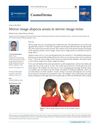
Mirror-image twins can have alopecia areata on opposite sides of their heads.
 January 2022 in “Yonago Acta Medica”
 A woman got a skin condition from misusing a steroid cream, which improved after she stopped using it and started a new treatment.
25 citations
,
March 2007 in “The journal of investigative dermatology/Journal of investigative dermatology” A specific gene mutation causes varying hair loss severity in a Pakistani family.
 February 2021 in “International journal of research in dermatology”
 A boy's hair, nails, and skin improved after 6 months of steroid treatment.
 3 citations
,
May 2011 in “Journal of the American Academy of Dermatology”
3 citations
,
May 2011 in “Journal of the American Academy of Dermatology” A woman's excessive hair growth around a leg ulcer was linked to a treatment with Prostaglandin E1 ointment.
 January 2015 in “Journal of cosmetology & trichology”
 Mesotherapy might help make eyebrows thicker and darker for some people.
4 citations
,
May 2013 in “JAMA Facial Plastic Surgery” Endoscopic brow-lift is effective and well-tolerated, with high patient satisfaction and improved appearance.
23 citations
,
July 1994 in “Journal of Dermatological Science” Pili torti hair twists due to uneven outer root sheath cell development.