 139 citations
,
December 1998 in “The journal of investigative dermatology/Journal of investigative dermatology”
139 citations
,
December 1998 in “The journal of investigative dermatology/Journal of investigative dermatology” K6hf is a unique protein found only in a specific layer of hair follicles.
 September 2016 in “Journal of dermatological science”
 The OVOL1-OVOL2 axis is important for hair follicle differentiation and can help diagnose certain hair-related tumors.
10 citations
,
April 2013 in “Journal of Investigative Dermatology” Epidermolytic ichthyosis can be inherited in a semidominant way with mild symptoms in carriers.
5 citations
,
September 2021 in “Journal of Molecular Histology” LHX2, with other markers, can identify hair placodes in rats.
 14 citations
,
January 2017 in “Skin appendage disorders”
14 citations
,
January 2017 in “Skin appendage disorders” Simvastatin/ezetimibe did not effectively treat severe alopecia areata and caused side effects in some patients.
August 2013 in “Annals of Translational Medicine” HPE may help treat osteoarthritis by promoting cartilage regeneration.
77 citations
,
March 2000 in “Journal of Investigative Dermatology” The research identified six functional hair keratin genes and four pseudogenes, providing insights into hair formation and gene organization.
 March 2026 in “Molecular and Cellular Biomedical Sciences”
 EH-MSCs may help treat hair loss by reducing inflammation.
42 citations
,
January 2002 in “Skin Pharmacology and Physiology” Reconstructed skin models are useful for studying how skin processes certain chemicals.
46 citations
,
December 1992 in “The Journal of Steroid Biochemistry and Molecular Biology” Affected males are born with ambiguous genitalia, raised as females, but develop male traits at puberty due to enzyme deficiency.
December 2016 in “The journal of investigative dermatology/Journal of investigative dermatology” Hedgehog signaling controls hair follicle development and can affect skin cancer growth.
 70 citations
,
April 2014 in “Annales d'endocrinologie”
70 citations
,
April 2014 in “Annales d'endocrinologie” New genes and pathways are important for testosterone production and male sexual development.
September 2025 in “BMJ Case Reports” Platelet-rich plasma therapy may rarely trigger herpes zoster ophthalmicus.
3 citations
,
October 1994 in “Journal of Dermatological Science” The new antibody, TYHF-1, specifically targets certain hair-related structures.
1 citations
,
October 2023 in “PROTOPLASMA”  May 2021 in “Journal of the Endocrine Society”
 A woman's hair loss and other symptoms were due to a rare hormone deficiency treatable with steroids.
1 citations
,
April 2024 in “Animal Genetics” A genetic defect in an Appenzeller Mountain Dog caused skin issues, improved with ketoconazole, showing the importance of advanced genetic testing.
 7 citations
,
June 2011 in “Movement Disorders”
7 citations
,
June 2011 in “Movement Disorders” A specific gene mutation is linked to a hereditary form of dystonia that responds well to certain medications.
 April 2017 in “The journal of investigative dermatology/Journal of investigative dermatology”
 HSD11b1 affects skin nerves and increases non-histaminergic itch.
 1 citations
,
November 2023 in “Journal of neurology”
1 citations
,
November 2023 in “Journal of neurology” A patient with a nerve disorder died from infection complications after developing insulin resistance from a treatment.
 196 citations
,
May 2001 in “The journal of investigative dermatology/Journal of investigative dermatology”
196 citations
,
May 2001 in “The journal of investigative dermatology/Journal of investigative dermatology” Sebocytes play a key role in controlling androgen levels in human skin.
 1 citations
,
August 2012 in “Journal der Deutschen Dermatologischen Gesellschaft”
1 citations
,
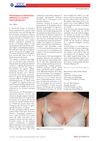
August 2012 in “Journal der Deutschen Dermatologischen Gesellschaft” A woman's hyperandrogenism was caused by a genetic mutation leading to non-classic adrenogenital syndrome.
January 2006 in “OpenCommons at University of Connecticut (University of Connecticut)” Overexpressing AVP1 and AtNHX1 in plants improves salt tolerance and root hair development.
36 citations
,
January 2021 in “Frontiers in Cell and Developmental Biology” Hypoxia and epigenetics are crucial for cell growth and tissue regeneration.
15 citations
,
January 1991 in “Mammalian Genome”  September 2024 in “Polish Journal of Public Health”
 Prescription tablets treat hirsutism, while over-the-counter foams treat hypertrichosis.
52 citations
,
October 1995 in “Experimental Cell Research” Human hair keratin genes hHa2 and hHb1 are located on chromosomes 17 and 12.
June 2023 in “Zenodo (CERN European Organization for Nuclear Research)” 7 citations
,
February 2024 in “ACS Applied Materials & Interfaces” A new light-activated treatment speeds up healing of infected wounds without antibiotics.
60 citations
,
December 1988 in “Journal of Biochemical Toxicology” TCDD reduces EGF receptors in the liver, affecting growth and development.