 July 2003 in “Journal of Cutaneous Medicine and Surgery”
 Skin problems are common in Bangladesh due to arsenic, prompt treatment of diabetic foot ulcers is crucial, maternal transmission causes most neonatal herpes, treatments for pediatric vasculitis are effective, the chickenpox vaccine works, more frequent UVB therapy helps psoriasis, certain jobs increase hand dermatitis risk, monoclonal antibodies treat psoriasis well, lifestyle affects psoriasis, alefacept improves psoriasis, imiquimod cream partially clears basal cell carcinoma, and iron may not help chronic hair loss.
 July 2003 in “Journal of Cutaneous Medicine and Surgery”
 Blood pressure drugs can cause skin lupus, but it improves after stopping the drug. The glycoprotein D vaccine works against genital herpes in some women, and the HPV-16 vaccine reduces HPV-16 infection and related diseases. More frequent light therapy clears psoriasis faster. A cream called imiquimod effectively treats a type of skin cancer. Iron supplements don't necessarily help with chronic hair loss in women.
 July 2003 in “Journal of Cutaneous Medicine and Surgery”
 Some medications can improve skin conditions, while lifestyle factors like smoking and drinking may worsen them; treatments like monoclonal antibodies and imiquimod cream show promise for certain skin diseases.
 May 2002 in “British Journal of Dermatology”
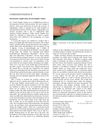
 A pregnant woman's skin condition improved after giving birth, possibly due to high estrogen levels during pregnancy.
 June 2001 in “Journal of The American Academy of Dermatology”
 The exam tested knowledge on various skin-related topics for CME credit.
 November 1999 in “Australasian Journal of Dermatology”
 The document concludes that there is a need for more research and regulation in dermatology, covering topics like latex allergy in children, the use of botulinum toxin, and treatments for skin conditions.
 June 1996 in “Irish Journal of Medical Science (1971 -)”
 The document summarizes medical findings on topics like heart rhythm treatment, sleep apnea therapy, and various health conditions and treatments.
 January 1993 in “Side effects of drugs annual”
 Natural products like propolis are causing more skin allergies, and certain skin treatments and medications have various side effects and risks.
 September 1983 in “Journal of The American Academy of Dermatology”
 Experts discussed hair care, genetic hair defects, hair loss treatments, nail surgery, lupus treatments, skin infections, and cosmetic allergies.

A rash from semaglutide may be due to propylene glycol, not the drug itself.
 July 2024 in “Biological and Clinical Sciences Research Journal”
 Hormonal therapy for transgender individuals carries health risks but is a personal choice.
 October 2022 in “Boletín médico del Hospital infantil de México/Boletín médico del Hospital Infantil de México”
 The patient has a rare skin condition that shows features of two known disorders.
 March 2021 in “Clin-Alert”
 The FDA warned about safety issues with remdesivir and tofacitinib, finasteride is linked to suicidality, potent topical corticosteroids increase osteoporosis risk, henna can cause hemolysis in G6PD deficiency, chemotherapeutic agents can cause adverse reactions, drug interactions are common in cancer patients, ketamine can reduce at-risk drinking, high dose of anticholinergics increases dementia risk in Parkinson's patients, and prenatal exposure to second-generation antipsychotics increases pregnancy complications.

Botulinum toxin type A significantly reduces scalp psoriasis severity compared to placebo.

Combining microneedling with platelet-rich plasma enhances skin repair and collagen production but may not offer significant extra benefits.
 January 2016 in “Dermatology Review”
 Endocrine disorders can cause various skin and hair issues.
 September 2011 in “Journal der Deutschen Dermatologischen Gesellschaft”
 Effective treatments for scalp psoriasis include glucocorticosteroids, Vitamin D3 analogs, and combination therapies like calcipotriol and betamethasone dipropionate.
 January 2007 in “Elsevier eBooks”
 Alopecia areata is a reversible, autoimmune-related hair loss that can have significant emotional impact and uncertain treatment effectiveness.
 July 2008 in “British Journal of Dermatology”
 Cyclosporin doesn't stop hair loss.
 May 2002 in “British Journal of Dermatology”
 Hair loss caused by longer latent hair cycle and sudden miniaturization, not gradual follicle size reduction.

Hair loss can cause significant social and emotional issues, especially for women and young men.
 January 2021 in “International Journal of Dermatology”
 Possible link between COVID-19 and hair loss; more research needed.
 111 citations
,
November 2007 in “Clinics in Dermatology”
111 citations
,
November 2007 in “Clinics in Dermatology” Psoriasis skin changes are complex and might need several biopsies for a clear diagnosis.
 94 citations
,
September 2014 in “Therapeutic Delivery”
94 citations
,
September 2014 in “Therapeutic Delivery” Nanoparticles can improve skin treatments by better targeting hair follicles, but more research is needed for advancement.
 72 citations
,
February 2011 in “The American Journal of Dermatopathology”
72 citations
,
February 2011 in “The American Journal of Dermatopathology” Anti-TNF therapy can cause a unique type of hair loss that may get better with topical treatments without stopping the therapy.
 30 citations
,
January 2013 in “Obesity Surgery”
30 citations
,
January 2013 in “Obesity Surgery” Bariatric surgery affects skin health, causing both direct complications and changes in existing skin conditions, often related to nutritional deficiencies.
 28 citations
,
July 2002 in “Australasian Journal of Dermatology”
28 citations
,
July 2002 in “Australasian Journal of Dermatology” Lupus can look like hair loss from alopecia areata but needs different treatment.
 17 citations
,
August 1983 in “Australasian Journal of Dermatology”
17 citations
,
August 1983 in “Australasian Journal of Dermatology” The review says skin conditions with sterile pustules need more research for better treatments.
 16 citations
,
July 2002 in “Australasian Journal of Dermatology”
16 citations
,
July 2002 in “Australasian Journal of Dermatology” A woman with lupus experienced skin death due to a blood clotting disorder after stopping a blood thinner, which healed with treatment.
 16 citations
,
July 2012 in “The New England Journal of Medicine”
16 citations
,
July 2012 in “The New England Journal of Medicine” The patient was diagnosed with anorexia nervosa and severe malnutrition, requiring urgent refeeding and monitoring.