 1 citations
,
July 2020 in “Journal of cosmetic dermatology”
1 citations
,
July 2020 in “Journal of cosmetic dermatology” A woman on immunosuppressants developed two rare scalp conditions, which improved with specific treatments.
 September 2022 in “JAAD case reports”
 The man has a genetic skin condition called pachyonychia congenita.
September 2015 in “Pediatrics in review” The 7-month-old boy has a persistent rash that doesn't improve with typical skin treatments.
2 citations
,
January 2021 in “Journal of The American Academy of Dermatology” A simple scalp scraping can effectively distinguish fibrosing alopecia from androgenetic alopecia with seborrheic dermatitis.
 13 citations
,
June 2012 in “Journal of Dermatological Case Reports”
13 citations
,
June 2012 in “Journal of Dermatological Case Reports” An 8-year-old boy with hair-pulling disorder had a bald patch that was confirmed not to be a fungal infection and was treated with therapy.
 14 citations
,
January 2006 in “Australasian journal of dermatology”
14 citations
,
January 2006 in “Australasian journal of dermatology” Alopecia areata can look like frontal fibrosing alopecia, making diagnosis hard.
 53 citations
,
February 2017 in “Journal of The American Academy of Dermatology”
53 citations
,
February 2017 in “Journal of The American Academy of Dermatology” The conclusion is that high-potency steroids or tacrolimus are effective treatments for erosive pustular dermatosis of the scalp.
 6 citations
,
July 2006 in “International Journal of Dermatology”
6 citations
,
July 2006 in “International Journal of Dermatology” Football players can get many skin conditions from their sport, which need different treatments and can be prevented with good hygiene and protection.
 5 citations
,
January 2018 in “Acta Dermatovenerologica Alpina Pannonica et Adriatica”
5 citations
,
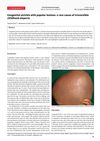
January 2018 in “Acta Dermatovenerologica Alpina Pannonica et Adriatica” Congenital atrichia with papular lesions causes permanent hair loss in children.
4 citations
,
February 2022 in “Journal of Cosmetic Dermatology” Dermatoscopy can quickly help distinguish between alopecia areata and tinea capitis in children.
14 citations
,
May 2009 in “Journal of the American Academy of Dermatology” The patient's scalp lesions stabilized with a combination of treatments after initial therapies failed.
 June 2023 in “Dermatology reports”
 The link between pemphigus and the patient's scarring hair loss is still unclear.
4 citations
,
July 2014 in “The Journal of Dermatology” Plaque-type herpetic folliculitis affects eccrine glands.
 1 citations
,
October 2023 in “Clinical, cosmetic and investigational dermatology”
1 citations
,
October 2023 in “Clinical, cosmetic and investigational dermatology” Tofacitinib improved hair loss and skin symptoms in a patient after secukinumab caused hair loss.
 April 2019 in “International journal of research in dermatology”
 A child with rough nails also had hair loss and allergies.
 4 citations
,
February 2020 in “Journal of Cosmetic Dermatology”
4 citations
,
February 2020 in “Journal of Cosmetic Dermatology” Synthetic hair implants can cause severe scalp problems and removing them improves conditions; natural hair transplants are safer and more effective.
1 citations
,
April 2022 in “Clinical Cosmetic and Investigational Dermatology” Topical treatment improved rare scalp lichen amyloidosis.
 172 citations
,
December 2004 in “Journal of The American Academy of Dermatology”
172 citations
,
December 2004 in “Journal of The American Academy of Dermatology” Demodicosis is common and often missed, needing more recognition and treatment in skin care.
 September 2022 in “The American journal of dermatopathology/American journal of dermatopathology”
 Sunscreen particles were not found in inflamed or fibrotic areas of skin in FFA patients, suggesting no direct link to the disease.
 September 2013 in “Hair transplant forum international”
 The document says doctors should identify and treat Frontal fibrosing alopecia medically before considering surgery, as treatments often don't work well.
5 citations
,
July 2024 in “International Journal of Women’s Dermatology” Scalp allergic reactions are often missed, needing specific tests and avoiding certain hair products for proper treatment.
January 2024 in “Updates in clinical dermatology” Frontal fibrosing alopecia is a scarring hair loss condition mainly affecting postmenopausal women, with unclear causes.
 7 citations
,
January 2003 in “Nippon Ishinkin Gakkai Zasshi”
7 citations
,
January 2003 in “Nippon Ishinkin Gakkai Zasshi” The girl's scalp infection healed well with terbinafine treatment.
28 citations
,
January 1999 in “Dermatology” Fluconazole is the preferred treatment for deep skin infections in immunocompromised patients.
3 citations
,
June 2021 in “Actas Dermo-Sifiliográficas” Dermoscopy can effectively identify Malassezia folliculitis.
A 21-year-old with lichen planopilaris was successfully treated, stopping disease progression and preventing crusts.
May 2025 in “Skin Appendage Disorders” Frontal fibrosing alopecia can be diagnosed by examining facial areas and treated with specific medications to stop its progression.
 July 2025 in “Buletin Veteriner Udayana”
 The dog's skin condition improved with treatment, but full recovery wasn't achieved, and environmental cleaning is advised to prevent re-infection.
 December 2005 in “Journal of the American Academy of Physician Assistants”
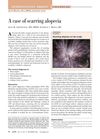
 The woman was diagnosed with lichen planopilaris and can be treated with corticosteroids.
 August 2017 in “Companion animal”
 Focal alopecia in dogs has many causes and requires various tests for accurate diagnosis and treatment.