 63 citations
,
October 2011 in “Archives of Dermatology”
63 citations
,
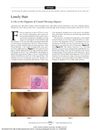
October 2011 in “Archives of Dermatology” Isolated long hairs at the original hairline can help diagnose Frontal Fibrosing Alopecia.
 March 2023 in “Biomedicine & Pharmacotherapy”
 GPR40 agonists help hair growth through the protein ANGPTL4.
 1 citations
,
July 2016 in “International Journal of Dermatology”
1 citations
,
July 2016 in “International Journal of Dermatology” Androgenetic alopecia is less common in Chilean Mapuche than Caucasians, but more common than Asians, with racial differences in prevalence and types.
 May 2026 in “Zenodo (CERN European Organization for Nuclear Research)”
 Rosary Pea has medicinal benefits but requires careful handling due to its toxicity.
 18 citations
,
November 2012 in “Australasian Journal of Dermatology”
18 citations
,
November 2012 in “Australasian Journal of Dermatology” A 66-year-old man with a rare case of male frontal fibrosing alopecia did not regrow hair despite treatment.
 11 citations
,
December 2011 in “Revista Brasileira de Farmacognosia”
11 citations
,
December 2011 in “Revista Brasileira de Farmacognosia” The seeds of Abrus precatorius, when processed, can prevent hair loss more effectively than common treatments.
 June 2018 in “Journal of Clinical Periodontology”
 A patient with "strawberry gingivitis" improved after correct treatment for Granulomatosis with polyangiitis, highlighting the need for early diagnosis.

Frontal fibrosing alopecia in men is often misdiagnosed and needs better diagnostic criteria and treatments.
2 citations
,
October 2024 in “Phytochemistry Reviews” Abrus precatorius has medicinal benefits but can be toxic.
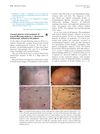 18 citations
,
June 2017 in “Journal of The American Academy of Dermatology”
18 citations
,
June 2017 in “Journal of The American Academy of Dermatology” Trichoscopy helps diagnose frontal fibrosing alopecia, even with unusual patterns.
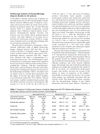 46 citations
,
January 2015 in “Journal of The American Academy of Dermatology”
46 citations
,
January 2015 in “Journal of The American Academy of Dermatology” Trichoscopy helps diagnose and assess the severity of Frontal Fibrosing Alopecia.
 22 citations
,
January 2021 in “Pharmacognosy Journal”
22 citations
,
January 2021 in “Pharmacognosy Journal” These three weeds have important medicinal properties and need more research for potential pharmaceutical use.
 June 2023 in “British journal of dermatology/British journal of dermatology, Supplement”
 A woman's rare hair loss condition improved on its own, suggesting this type might recover like common cases.
 41 citations
,
September 2011 in “Journal of Ethnopharmacology”
41 citations
,
September 2011 in “Journal of Ethnopharmacology” Panax ginseng extract helps mice grow hair.
 October 2024 in “Archives of Dermatological Research”
 Higher GPER-1 levels are linked to more severe and shorter-duration androgenetic alopecia, suggesting GPER-1 as a potential treatment target.

Hair loss in women in Lagos, Nigeria is not common, but when it happens, it's usually severe.
18 citations
,
June 2004 in “Mycoses” Two patients with a rare scalp fungus in Poland were successfully treated with griseofulvin and ciclopirox.
January 2026 in “Industrial Crops and Products” Ginsenoside Rf from Panax ginseng promotes hair growth and could be a natural alternative for treating hair loss.
 15 citations
,
May 2003 in “The Laryngoscope”
15 citations
,
May 2003 in “The Laryngoscope” FGF-1 causes spiral ganglion neurites to branch more.
September 2021 in “Zenodo (CERN European Organization for Nuclear Research)” 5 citations
,
January 2013 in “Spatula DD - Peer Reviewed Journal on Complementary Medicine and Drug Discovery” Trigonella foenum-graecum seeds and Butea monosperma flowers help promote hair growth and reduce hair loss after chemotherapy.
16 citations
,
May 2020 in “Plant Growth Regulation”  68 citations
,
April 2002 in “Journal of Alternative and Complementary Medicine”
68 citations
,
April 2002 in “Journal of Alternative and Complementary Medicine” Natural 5AR inhibitors effectively improve mild to moderate hair loss in men.
February 2025 in “Actas Dermo-Sifiliográficas” Low-dose oral minoxidil can help improve hair and eyebrow growth in people with frontal fibrosing alopecia.
 October 2024 in “Skin Appendage Disorders”
 Autologous micrografting via the Rigenera® system shows promise in improving hair loss treatment.
 January 2023 in “Kafkas üniversitesi veteriner fakültesi dergisi/Kafkas üniversitesi veteriner fakültesi dergisi”
 Seasonal changes affect gene activity linked to hair growth in Angora goats.
 5 citations
,
September 2021 in “Journal of The American Academy of Dermatology”
5 citations
,
September 2021 in “Journal of The American Academy of Dermatology” Most men with Frontal fibrosing alopecia also lose facial hair and the condition may be linked to hormone levels and sunscreen use.
Editing the FGF5 gene in sheep increases fine wool growth.
 October 2020 in “International Journal of Research in Dermatology”
 The review suggests more research is needed to understand Frontal fibrosing alopecia, a condition causing hairline recession in postmenopausal women.
 November 2022 in “Research Square (Research Square)”
 Seasonal changes affect hair growth genes in Angora goats, possibly influencing mohair quality.