Search
for
Sort by
Research
390-420 / 1000+ resultsresearch Finasteride
research Finasteride
research Finasteride
research Finasteride
research Finasteride
research Finasteride

research Efficacy and safety of tofacitinib in patients with total and universal alopecia- A retrospective evaluation of 69 patients
Tofacitinib is effective for treating alopecia totalis and universalis, with some patients experiencing significant hair regrowth.

research Logic-based modeling and drug repurposing for the prediction of novel therapeutic targets and combination regimens against E2F1-driven melanoma progression
Tadalafil and Finasteride may help treat aggressive melanoma.
research Proteasome Inhibitors: An Expanding Army Attacking a Unique Target
Proteasome inhibitors are promising treatments for various cancers, autoimmune diseases, and other conditions.

research The usefulness and wellbeing of Tofacitinib in the treatment of Alopecia Areata
Tofacitinib is effective and safe for treating alopecia areata.
research The use of topical ruxolitinib 1.5% cream in frontal fibrosing alopecia: A case report
Topical ruxolitinib cream may help treat frontal fibrosing alopecia.
research Is tapering and stopping of tofacitinib possible among pediatric and adolescent alopecia areata patients?
Tapering and stopping tofacitinib may be possible for young alopecia areata patients.

research Anti-Acne Agents Attenuate FGFR2 Signal Transduction in Acne
Anti-acne medications may work by reducing the activity of a protein involved in acne development.
research Temporal lobe epilepsy exacerbation during pharmacological inhibition of endogenous neurosteroid synthesis
Stopping finasteride improved seizure control, suggesting neurosteroids affect seizures and treatment.

research Transcriptome analysis of frontal fibrosis alopecia revealed involvement of immune cells and ferroptosis
The research suggests that immune cells and a specific type of cell death called ferroptosis are involved in Frontal fibrosis alopecia.

research Frontal fibrosing alopecia
Hormonal imbalances may play a role in frontal fibrosing alopecia, and antiandrogenic drugs combined with steroids are currently the most effective treatment.
research Alfuzosin/finasteride
research Alfuzosin/finasteride

research 5α-Reductase Inhibitors, Chemical and Clinical Models
Researchers developed a model to predict how well certain compounds can block an enzyme related to hair loss and prostate issues, suggesting a 50 mg dose of finasteride might be effective based on lab and body data.

research Case series of familial frontal fibrosing alopecia and a review of the literature
Familial frontal fibrosing alopecia affects premenopausal women too, and early diagnosis is important, but no proven medication exists yet.

research Transient perforating folliculitis induced by sorafenib
Sorafenib can cause a temporary skin condition that goes away after stopping the drug.

research Synthesis of novel andostane-N-cyclohexyl-17-carboxamides, and their effect on the 5α-reductase isoform 2, the androgen receptor, and androgen-dependent glands
New compounds were made and tested, with compound 6 showing potential for treating prostate-related diseases.
research Characteristics and Outcomes of Patients on Tofacitinib for Alopecia Areata or Rheumatoid Arthritis: A Retrospective Cohort Study
Patients with rheumatoid arthritis using tofacitinib had more serious side effects than those with alopecia areata.
research Refractory alopecia in lupus treated with tofacitinib — a case-based review
Tofacitinib helped regrow hair in a lupus patient with alopecia.

research Finasteride

research Sublingual tofacitinib for alopecia areata: a roll‐over pilot clinical trial and analysis of pharmacokinetics
The trial showed that a new under-the-tongue treatment for severe hair loss was somewhat effective in a small group of people.
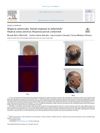
research Alopecia universalis. Partial response to tofacitinib
Tofacitinib partially improved hair regrowth in a patient with severe hair loss.
research PROTACs: A novel strategy for cancer drug discovery and development
PROTAC technology shows promise for cancer treatment but needs more effective E3 ligase recruiters.

research Optimizing clinical monitoring and management guidelines for capivasertib in HR-positive/HER2-negative advanced breast cancer: expert opinion
Capivasertib improves survival in certain breast cancer cases but requires careful management of side effects.