 March 2019 in “Journal der Deutschen Dermatologischen Gesellschaft”
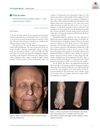
 Rothmund-Thomson syndrome type 2 can cause chronic, poorly healing wounds.
 May 2018 in “Journal of Investigative Dermatology”
 Activating Wnt in skin cells controls the number of hair follicles by directing cell movement and fate.
 October 1982 in “American Journal of Nursing”
 Wound healing is a complex process involving different cells and stages, leading to scar tissue formation and strength increase over time.
 106 citations
,
October 2016 in “Cell Stem Cell”
106 citations
,
October 2016 in “Cell Stem Cell” PDGFA/AKT signaling is important for the growth and maintenance of certain skin fat cells.
 28 citations
,
March 2019 in “Journal of Dermatological Science”
28 citations
,
March 2019 in “Journal of Dermatological Science” The document concludes that while lab results for hair growth promotion are promising, human trials are needed and better testing methods should be developed.
85 citations
,
January 2018 in “Cell stem cell” Different signals work together to change gene activity and guide hair follicle stem cells to become specific cell types.
41 citations
,
April 2019 in “PLOS genetics” CD34+ and CD34- melanocyte stem cells have different regenerative abilities.
 1 citations
,
December 2023 in “The journal of investigative dermatology/Journal of investigative dermatology”
1 citations
,
December 2023 in “The journal of investigative dermatology/Journal of investigative dermatology” Keeping β-catenin levels high in mammary cells disrupts their development and branching.
 150 citations
,
October 2010 in “The American Journal of Pathology”
150 citations
,
October 2010 in “The American Journal of Pathology” The document concludes that more research is needed to better understand and treat primary cicatricial alopecias, and suggests a possible reclassification based on molecular pathways.
 220 citations
,
March 2020 in “Advanced functional materials”
220 citations
,
March 2020 in “Advanced functional materials” Biomaterials with MSC-derived substances could improve tissue repair and have advantages over direct cell therapy.
 39 citations
,
January 2013 in “Indian Journal of Dermatology, Venereology and Leprology”
39 citations
,
January 2013 in “Indian Journal of Dermatology, Venereology and Leprology” Eating high glycemic foods and drinking milk may worsen acne by increasing insulin and IGF-1 levels.
 24 citations
,
January 2019 in “Biomaterials Science”
24 citations
,
January 2019 in “Biomaterials Science” The shape of fibrous scaffolds can improve how stem cells help heal skin.
 23 citations
,
April 2021 in “Journal of Clinical Medicine”
23 citations
,
April 2021 in “Journal of Clinical Medicine” Frontal Fibrosing Alopecia's cause is unclear, affects mainly postmenopausal women, and current treatments focus on stopping hair loss rather than regrowth.
4 citations
,
May 2022 in “International journal of molecular sciences” Heat-killed Enterococcus faecalis EF-2001 may promote hair growth and transition hair follicles to the growth phase.
 2 citations
,
July 2019 in “Journal of lasers in medical sciences”
2 citations
,
July 2019 in “Journal of lasers in medical sciences” Laser treatment and synovial fluid can change hair follicle cells to resemble joint cells, with the changes being more significant when both treatments are used together.
 2 citations
,
January 2017 in “Journal of Pigmentary Disorders”
2 citations
,
January 2017 in “Journal of Pigmentary Disorders” Genetics, stress, and health issues can cause early hair greying, which affects self-esteem, and there's no cure, only hair dye.
 April 2019 in “The journal of investigative dermatology/Journal of investigative dermatology”
 848 genes related to fat and metabolism are less active in people with Central Centrifugal Cicatricial Alopecia.
 3 citations
,
January 2016 in “BioMed research international”
3 citations
,
January 2016 in “BioMed research international” Calcium microcapsules are better for long-term use in artificial dermal papilla, while barium microcapsules are good for short-term.
7 citations
,
December 2024 in “Journal of the American Academy of Dermatology” Genetics, hormones, and microbiome changes contribute to hidradenitis suppurativa.
 6 citations
,
September 2019 in “Skin pharmacology and physiology”
6 citations
,
September 2019 in “Skin pharmacology and physiology” RCS-01 therapy is safe and may improve skin structure by affecting gene expression.
 27 citations
,
April 2018 in “Scientific Reports”
27 citations
,
April 2018 in “Scientific Reports” Psoriasis patients' immune response to a hair protein depends on their specific gene type.
 87 citations
,
July 2018 in “Biochimica et Biophysica Acta (BBA) - Molecular Cell Research”
87 citations
,
July 2018 in “Biochimica et Biophysica Acta (BBA) - Molecular Cell Research” Mice studies show that Protein Phosphatase 2A is crucial for cell growth, development, and disease prevention.
 6 citations
,
July 2023 in “Nature cell biology”
6 citations
,
July 2023 in “Nature cell biology” SOX9 helps determine stem cell roles by interacting with DNA and proteins that control gene activity.
 February 2023 in “Molecules”
 Cactus extract from Notocactus ottonis may help promote hair growth.
 13 citations
,
June 2007 in “Journal of Dermatological Science”
13 citations
,
June 2007 in “Journal of Dermatological Science” Researchers created a cell line to study hair growth and found specific genes affected by dihydrotestosterone.
 12 citations
,
October 2004 in “Experimental Gerontology”
12 citations
,
October 2004 in “Experimental Gerontology” Changes in testosterone and estrogen receptor genes can affect how men age, influencing body fat, hair patterns, and possibly leading to skin disorders.
 January 2024 in “Journal of Hard Tissue Biology”
 A high-fat diet may weaken tongue structure by reducing certain protein genes.
 April 2017 in “Journal of Investigative Dermatology”
 Targeted siRNA therapy may be a promising treatment for KID syndrome by reducing mutant gene expression and improving cell communication.
 11 citations
,
December 2018 in “Bone”
11 citations
,
December 2018 in “Bone” Removing a methyl group from the ITGAV gene speeds up bone formation in a specific type of bone disease model.

Certain plasma proteins and genes are linked to obstructive sleep apnea, suggesting potential new treatments.