2 citations
,
February 2005 in “Postgraduate obstetrics & gynecology” Certain medications can help treat PCOS symptoms, but they aren't FDA-approved for this use.
 August 2023 in “JAAD international”
 Pediatric dermatologists have varied preferences for treating alopecia areata in children, with no standard FDA-approved treatments and some using JAK inhibitors despite risks.
 8 citations
,
April 2020 in “Facial Plastic Surgery Clinics of North America”
8 citations
,
April 2020 in “Facial Plastic Surgery Clinics of North America” Minoxidil, finasteride, and low-level laser light therapy are effective FDA-approved treatments for hair loss.
 6 citations
,
October 2005 in “Indian Journal of Dermatology”
6 citations
,
October 2005 in “Indian Journal of Dermatology” The document discusses male and female pattern hair loss, its diagnosis methods, FDA-approved treatments like finasteride and minoxidil, their side effects, and the role of lifestyle changes.
 3 citations
,
November 2021 in “Journal of The American Academy of Dermatology”
3 citations
,
November 2021 in “Journal of The American Academy of Dermatology” Androgenetic alopecia, a genetic disorder affecting up to 50% of adults, is caused by an excessive response to androgens leading to hair follicle shrinkage. Treatments include FDA-approved drugs, other therapies like low-dose oral minoxidil, and hair transplantation.
 2 citations
,
January 2019 in “International Journal of Medicine in Developing Countries”
2 citations
,
January 2019 in “International Journal of Medicine in Developing Countries” Telogen Effluvium is a common hair loss condition, particularly in women, with no specific FDA-approved treatment, and recovery can take up to 18 months.
 1 citations
,
November 2022 in “Journal of Dermatological Treatment”
1 citations
,
November 2022 in “Journal of Dermatological Treatment” Platelet-rich plasma can increase hair density and may help treat some skin conditions, but it's costly, not FDA-approved, and needs more research.
 1 citations
,
July 2018 in “Elsevier eBooks”
1 citations
,
July 2018 in “Elsevier eBooks” Many treatments for hair loss show potential, but more testing is needed to confirm their effectiveness. Only minoxidil for women and minoxidil and finasteride for men are FDA approved.

Lavender is widely used for its calming effects and in beauty products, but its medical effectiveness is not fully proven and not FDA-approved.
 March 2023 in “Advances in Cosmetic Surgery”
 Exosomes, tiny cell-released particles, may help hair growth, but their exact role is unclear, they're not FDA-approved, and their unregulated use can cause side effects.
 July 2017 in “Nursing2023”
 Actemra is approved for a specific artery condition, HIV treatment adherence has improved, women may pay more for a hair loss product, and incorrect dosing of blood thinners can be risky.
 1 citations
,
December 2017 in “The journal of investigative dermatology. Symposium proceedings/The Journal of investigative dermatology symposium proceedings”
1 citations
,
December 2017 in “The journal of investigative dermatology. Symposium proceedings/The Journal of investigative dermatology symposium proceedings” Treating alopecia areata is difficult due to limited approved treatments, but new therapies like JAK inhibitors show promise.

Deuruxolitinib is approved to treat severe alopecia areata in adults.
 March 2024 in “Facial plastic surgery clinics of North America”
 Finasteride and minoxidil are approved treatments for hair loss, and hair transplants can be effective but require careful patient selection.
November 2001 in “Oncology Times” The committee decided not to approve the drug due to low effectiveness and high risks.
4 citations
,
January 2020 in “PubMed” JAK inhibitors may become the first approved treatment for alopecia areata if they are proven safe and effective.
 6 citations
,
May 2023 in “Drugs”
6 citations
,
May 2023 in “Drugs” Baricitinib helps regrow hair in adults with severe alopecia better than a placebo and is approved for treatment, but long-term effects are still unknown.
 July 2023 in “JAAD International”
 Two drugs, finasteride and minoxidil, are approved for hair loss treatment, but new therapies are being developed.
 2 citations
,
January 2011 in “Clinical medicine insights”
2 citations
,
January 2011 in “Clinical medicine insights” Dutasteride is effective for treating prostate enlargement and reducing related surgery risk, but is not approved for preventing prostate cancer.
Children with alopecia areata need supportive care and off-label treatments due to a lack of approved options.

The CDC reports 23 measles cases in unvaccinated US kids, new treatments for eosinophilic esophagitis and osteopenia are approved, poor sleep may cause migraines, atopic dermatitis could lead to asthma, migraines might increase Crohn's disease risk, cancer may raise heart disease risk, gout is linked to prostate issues, Cabo Verde is malaria-free, social factors and vitamin D affect dementia risk, smoking increases hair loss risk, certain drugs might lower thyroid disease risk in arthritis, noma is a neglected disease, and meal timing could impact heart health.
 December 2022 in “Rossijskij žurnal kožnyh i veneričeskih boleznej”
 New treatments for child hair loss due to immune issues are effective but not yet officially approved.
 June 2020 in “Journal of Investigative Dermatology”
 Getting insurance to cover the hair loss treatment tofacitinib is hard because it's not officially approved for that use.
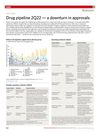 August 2022 in “Nature Biotechnology”
 Drug approvals slowed in 2Q22, but notable drugs like Amvuttra, Camzyos, and Olumiant were approved.
 June 2020 in “Medicina estética (Madrid)”
 Female pattern hair loss is common and should be treated early to prevent worsening, with Minoxidil being the main approved treatment.
39 citations
,
September 2015 in “Clinical Therapeutics” Teriflunomide effectively reduces relapse rates and disease progression in multiple sclerosis but is not safe for use during pregnancy.
 January 2009 in “Actas dermo-sifiliográficas/Actas dermo-sifiliográficas”
 Lasers and light treatments are now the most common ways to remove hair.
 2 citations
,
March 2020 in “Cns & Neurological Disorders-drug Targets”
2 citations
,
March 2020 in “Cns & Neurological Disorders-drug Targets” Lurasidone is effective for bipolar depression and schizophrenia, but more safety data is needed.
 March 2026 in “Communications Biology”
 Certain compounds can boost hair and nail growth.
 June 2024 in “Research Square (Research Square)”
 Aminoacridine and Minoxidil together show promise for better hair and nail growth.