FoxA is crucial for pharynx regeneration in planarian flatworms.
3 citations
,
April 2014 in “Anatomy Research International” Buffalo mammary glands develop in stages from 34 to 229 days during prenatal growth.
25 citations
,
October 2000 in “Gene” Gene regulatory regions evolve faster than protein coding regions, allowing new gene relationships without changing transcription factors.
9 citations
,
April 2018 in “Biology of reproduction” Diet changes hormone levels in pregnant ewes by affecting metabolism, not placental synthesis.
94 citations
,
March 1996 in “Journal of Investigative Dermatology” 318 citations
,
October 1998 in “The Journal of Cell Biology” Keratin 17 is important for skin development and may help define skin cell types.
FoxA is crucial for planarian pharynx regeneration.
33 citations
,
October 2012 in “Journal of Morphology” Reptile skin hardens by layering beta-proteins on keratin.
 June 2026 in “Communications Biology”
 Hoxc13 and hair keratin are needed for forming rough skin on frog mating pads.
Platelet-rich plasma improves skin and hair growth in newborn mice.
30 citations
,
February 2010 in “The journal of investigative dermatology/Journal of investigative dermatology” Plet-1 protein helps hair follicle cells move and stick to tissues.
January 2000 in “Medical Entomology and Zoology” March 2025 in “International Journal of Molecular Sciences” PLIN2 affects hair growth in cashmere goats, potentially improving cashmere quality.

PlacMA hydrogels from human placenta are versatile and useful for cell culture and tissue engineering.
 December 2025 in “The Journal of Basic and Applied Zoology”
 Red Sokoto goat fetuses develop firmer, pigmented skin with hair follicles as they grow.
 April 2023 in “The journal of investigative dermatology/Journal of investigative dermatology”
 Deleting the Hoxc13 gene in frogs shows its crucial role in developing skin structures similar to hair.
 January 2016 in “Elsevier eBooks”
 The conclusion is that grasping how cells determine their roles through evolution is key, with expected progress from new research models and genome editing.
3 citations
,
September 2024 3DEEP reveals early hair follicle stem cell formation and niche establishment before hair bulb development.
 3 citations
,
December 2022 in “bioRxiv (Cold Spring Harbor Laboratory)”
3 citations
,
December 2022 in “bioRxiv (Cold Spring Harbor Laboratory)” The research reveals how early embryonic mouse skin develops from simple to complex structures, identifying various cell types and their roles in this process.
8 citations
,
November 2019 in “Tissue Engineering Part A” Functionalized collagen scaffolds applied prenatally greatly improve skin regeneration.
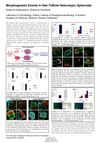
Researchers developed a method to create artificial hair follicles that may help with hair loss treatment and research.
 May 2022 in “Research Square (Research Square)”
 Nestin marks cells that can become a specific type of skin cell in hair follicles of both developing and adult mice.
 December 2012 in “Journal of dermatological science”
 Langerhans cells and melanocytes migrate to the skin and hair follicles during early human development.
38 citations
,
August 1973 in “Journal of Investigative Dermatology” 2 citations
,
January 2009 in “Human cell culture” 5 citations
,
January 1996 in “Theriogenology”  9 citations
,
July 2001 in “Cell”
9 citations
,
July 2001 in “Cell” Cells from certain embryo parts can induce head formation in another embryo, involving complex signaling pathways.
2 citations
,
January 2025 in “Development” BMP5 is essential for ear cartilage cell growth in rodents.
32 citations
,
September 1996 in “Archives of Dermatological Research” 6 citations
,
September 1996 in “Archives of Dermatological Research”