 May 2024 in “World Journal Of Advanced Research and Reviews”
 Low iron levels are strongly linked to chronic hair loss in women.
 November 2023 in “International Journal of Dermatology”
 Most women with long-term, widespread hair loss need a tissue examination for an accurate diagnosis.
 67 citations
,
November 2002 in “Journal of The American Academy of Dermatology”
67 citations
,
November 2002 in “Journal of The American Academy of Dermatology” The document concludes that careful evaluation is key to diagnose and treat women with hair loss, with tests for thyroid, iron, and hormones as needed.
2 citations
,
September 2023 in “Journal of the European Academy of Dermatology and Venereology” Trichoscopy is a useful tool for diagnosing different types of female hair loss without needing a biopsy.
 25 citations
,
June 2015 in “Seminars in Cutaneous Medicine and Surgery”
25 citations
,
June 2015 in “Seminars in Cutaneous Medicine and Surgery” The article explains how to tell apart and treat two common causes of hair loss in women.
 5 citations
,
February 2017 in “Australasian Journal of Dermatology”
5 citations
,
February 2017 in “Australasian Journal of Dermatology” Scarring hair loss found in female pattern; biopsy needed for diagnosis.
March 2026 in “Ukrains kyi Visnyk Psykhonevrolohii” Women with mixed alopecia have a lower quality of life, linked to mental health issues.
 42 citations
,
January 2008 in “Dermatology”
42 citations
,
January 2008 in “Dermatology” Dermoscopy effectively distinguishes between acute total hair loss and other types of female hair loss.
 124 citations
,
August 1990 in “British Journal of Dermatology”
124 citations
,
August 1990 in “British Journal of Dermatology” Diffuse alopecia in women may be related to androgens and iron deficiency, and basic hormone and nutrient screening is useful.
 9 citations
,
April 2005 in “PubMed”
9 citations
,
April 2005 in “PubMed” Older female squirrel monkeys often experience a type of hair loss similar to chronic telogen effluvium in humans.
 9 citations
,
October 2012 in “PubMed”
9 citations
,
October 2012 in “PubMed” Most women in the study lost hair due to stress, fever, childbirth, surgery, or thyroid issues, with low hemoglobin levels also common.
 January 2023 in “Voennaâ medicina”
 Hair loss in women can improve with iron and vitamin supplements if caused by iron deficiency.
 30 citations
,
November 2012 in “Anais Brasileiros De Dermatologia”
30 citations
,
November 2012 in “Anais Brasileiros De Dermatologia” Diagnosing diffuse alopecia, a hair loss condition, can be challenging and may require a scalp biopsy or tracking the disease's progression when symptoms and skin tests aren't enough.
 29 citations
,
October 2012 in “Anais Brasileiros De Dermatologia”
29 citations
,
October 2012 in “Anais Brasileiros De Dermatologia” Diagnosing hair loss disorders needs clinical, dermoscopic, and histological differences, and checking menstrual cycle, weight changes, drug therapy, and nail changes.
 59 citations
,
January 2002 in “Dermatology”
59 citations
,
January 2002 in “Dermatology” A new type of sudden, complete female hair loss was found, with most patients fully recovering within 6 months without needing steroid treatment.
 29 citations
,
January 2003 in “Dermatology”
29 citations
,
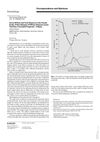
January 2003 in “Dermatology” The condition called 'acute diffuse and total alopecia of the female scalp' is actually a known condition named alopecia areata incognita.
3 citations
,
September 1994 in “Indian Journal of Dermatology, Venereology and Leprology” Hair loss in women was often caused by stress, illness, childbirth, or low hemoglobin, with most cases being telogen effluvium.
 78 citations
,
February 2004 in “British Journal of Dermatology”
78 citations
,
February 2004 in “British Journal of Dermatology” Melatonin helps hair growth in women with hair loss.
7 citations
,
January 2001 in “PubMed” Vitamin B6 reduced hair loss in women with diffuse alopecia, but calcium pantothenate had no clear positive effect.
 April 2004 in “Inpharma Weekly”
 Melatonin helps hair growth in women with hair loss issues.
 1 citations
,
July 1996 in “Clinical and Experimental Dermatology”
1 citations
,
July 1996 in “Clinical and Experimental Dermatology” Routine thyroid tests for diffuse alopecia in women may not be necessary, but checking for iron deficiency anemia could be useful.
 8 citations
,
January 2015 in “International journal of trichology”
8 citations
,
January 2015 in “International journal of trichology” A woman's total hair loss was linked to a Borrelia infection and was reversed with appropriate treatment.
 83 citations
,
April 1992 in “Clinical Endocrinology”
83 citations
,
April 1992 in “Clinical Endocrinology” Having enough iron improves the effectiveness of a specific hair loss treatment in women.
 30 citations
,
October 2010 in “Journal of The American Academy of Dermatology”
30 citations
,
October 2010 in “Journal of The American Academy of Dermatology” The conclusion suggests a possible link between iron levels and hair health in women, recommending further research on iron supplementation for hair loss.
Vitamin D may help improve hair growth in women with diffuse alopecia.
7 citations
,
January 1990 Spironolactone improved hair density and quality in women with hair loss.
20 citations
,
July 1990 in “Clinical and experimental dermatology” Taking cyproterone acetate and ethinyl oestradiol for hair loss can lower vitamin B12 levels in women.
3 citations
,
January 1966 in “PubMed” 1 citations
,
December 1965 in “PubMed”  August 2022 in “Our Dermatology Online”
 The conclusion is that examining the scalp closely and checking for iron levels and thyroid issues is key to understanding chronic hair loss in women.