 October 2020 in “Clinical and Experimental Dermatology”
 Hair loss improved after removing pituitary tumor.
January 2020 in “Journal of clinical and cosmetic dermatology” A woman with hair loss regrew hair using minoxidil and spironolactone.
January 2020 in “Advances in Sexual Medicine” Female pattern hair loss does not significantly affect sexual dysfunction.
January 2020 in “Journal of Genetics and Gene Therapy” The combination of hair follicle stem cells and PRP shows promise for treating hair loss in Asian men and women.
 December 2018 in “Evidence-Based Practice”
 Topical minoxidil 1% and 2% are twice as effective as placebo for female pattern hair loss.
October 2017 in “Chinese Journal of Dermatology” The trichotillometer is a simple, effective tool for diagnosing and assessing female pattern hair loss.
 September 2016 in “Faculty Opinions – Post-Publication Peer Review of the Biomedical Literature”
 Once-daily 5% minoxidil foam increases hair regrowth and density in women with hair loss, but not as effectively as twice-daily 2% minoxidil solution, though it's safer and more convenient.

The number of CAG repeats in the androgen receptor gene doesn't significantly affect female pattern hair loss in the Han Chinese population.
 May 2015 in “Journal of The American Academy of Dermatology”
 5% minoxidil foam helps women with thinning hair.

Female pattern hair loss, common in women, can be treated with various methods like minoxidil, anti-androgen treatments, and light therapy, but early intervention and realistic expectations are crucial.
January 2013 in “Acta Universitatis Traditionis Medicalis Sinensis Pharmacologiaeque Shanghai” Huoxue Bushen Mixture effectively treats female pattern hair loss by balancing hormones.
May 2012 in “Hair transplant forum international” Inflammation and immune responses contribute to female pattern hair loss.
 March 2012 in “Journal of The American Academy of Dermatology”
 White females have higher hair density, while Asian females have thicker hair in hair loss cases.
 January 2012 in “The Year book of dermatology”
 Finasteride 5mg/day improves hair loss in normoandrogenic Asian women.
 October 2010 in “Mayo Clinic women's healthsource”
 Dr. Rochelle Torgerson says female-pattern hair loss is often hereditary, starts after puberty, and can be slowed with treatments like Minoxidil. It can also indicate other health issues.
January 2010 in “Springer eBooks” January 2009 in “Chinese Journal of Dermatovenereology of Integrated Traditional and Western Medicine” Yifa compound effectively treats female pattern hair loss and lowers DHT and DHEA levels.
 June 2007 in “DOAJ (DOAJ: Directory of Open Access Journals)”
 Female pattern hair loss, common in women, can be treated with oral antiandrogens and topical minoxidil, but these are more effective at preventing further loss than regrowing hair. Other helpful methods include counseling, cosmetic camouflage, and hair transplantation. Treatment must continue for effects to last and it may take up to 2 years to see results.
 April 2006 in “Faculty Opinions – Post-Publication Peer Review of the Biomedical Literature”
 Oral finasteride, combined with drospirenone, improved hair loss in 62% of premenopausal women, with no reported side effects.
January 2003 in “Journal of Dermatology and Venereology” Female pattern hair loss in women is caused by hormones and genetics, leading to hair thinning, with various treatments available.
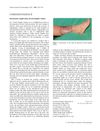 May 2002 in “British Journal of Dermatology”
 Hair loss caused by longer latent hair cycle and sudden miniaturization, not gradual follicle size reduction.
 19 citations
,
May 2013 in “Annals of Oncology”
19 citations
,
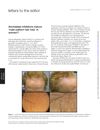
May 2013 in “Annals of Oncology” Aromatase inhibitors cause male pattern hair loss in women.
 July 2025 in “International Journal of Medicine Sciences”
 Holistic treatment improved hair growth, reduced hair loss, and boosted well-being.
 6 citations
,
November 2018 in “Dermatologic Therapy”
6 citations
,
November 2018 in “Dermatologic Therapy” Wearing a ponytail often is linked to hair loss at the front of the scalp in Chinese women.
November 2005 in “Hair transplant forum international” Genetic differences in hair loss can help improve diagnosis and treatment.
 125 citations
,
May 2007 in “Journal of The American Academy of Dermatology”
125 citations
,
May 2007 in “Journal of The American Academy of Dermatology” The BASP classification is a detailed and accurate way to categorize hair loss in both men and women.
 1 citations
,
January 2016 in “Journal of stem cell research and medicine”
1 citations
,
January 2016 in “Journal of stem cell research and medicine” Fat-derived stem cell therapies can potentially increase hair growth and thickness in people with hair loss.
 1 citations
,
January 2016 in “Journal of stem cell research and medicine”
1 citations
,
January 2016 in “Journal of stem cell research and medicine” Fat-derived stem cell therapies can potentially increase hair growth and thickness in people with hair loss.
 1 citations
,
May 2014 in “Hair transplant forum international”
1 citations
,
May 2014 in “Hair transplant forum international” Rogaine can stop hair loss in women, and other treatments like certain pills, light therapy, and special shampoos may also work.