 11 citations
,
July 2001 in “APMIS. Acta pathologica, microbiologica et immunologica Scandinavica./APMIS”
11 citations
,
July 2001 in “APMIS. Acta pathologica, microbiologica et immunologica Scandinavica./APMIS” Estrogens are key for bone growth spurts in both boys and girls and affect growth into adulthood.
 8 citations
,
February 2005 in “Veterinary dermatology”
8 citations
,
February 2005 in “Veterinary dermatology” Chesapeake Bay retrievers' hair loss is likely a breed-specific, hereditary condition linked to abnormal steroid levels and distinct skin changes.
 1 citations
,
October 2025 in “Scientific Reports”
1 citations
,
October 2025 in “Scientific Reports” Mandarin duck sail feathers change with seasons due to hormones and genetic regulation.
 March 2026 in “Inflammopharmacology”
 Ursolic acid from Ochrosia elliptica leaves may help manage PCOS symptoms.
December 2023 in “International journal of molecular sciences” Chromosomal differences affect how muscle cells respond to testosterone.
 January 2023 in “International journal of homoeopathic sciences”
 Homeopathic remedies can help manage PCOS symptoms in girls aged 17-21.
 August 2019 in “Journal of archaeological science: Reports/Journal of archaeological science: reports”
 Ancient hair can preserve hormones, revealing health and fertility insights.
 July 2025 in “Journal of Cosmetic Dermatology”
 Future research on female pattern hair loss should focus on treatment effectiveness, safety, and understanding causes.
 December 2025 in “International Journal of Innovative Technologies in Social Science”
 Transgender individuals face unique skin issues, often due to hormone therapy, requiring specialized and stigma-free dermatologic care.
 232 citations
,
December 2005 in “Andrology”
232 citations
,
December 2005 in “Andrology” PCOS is caused by both genetics and environmental factors like diet and obesity.
89 citations
,
December 1998 in “The Journal of Steroid Biochemistry and Molecular Biology” Human hair can be used to measure reproductive hormones.
 75 citations
,
June 1999 in “Pediatric Clinics of North America”
75 citations
,
June 1999 in “Pediatric Clinics of North America” The document concludes that early recognition and treatment of PCOS in adolescents is crucial for managing symptoms and long-term health risks.
 68 citations
,
March 1965 in “The BMJ”
68 citations
,
March 1965 in “The BMJ” Hormones and genetics affect hair growth and patterns, with some changes reversible and others not.
 46 citations
,
September 2016 in “Clinical, Cosmetic and Investigational Dermatology”
46 citations
,
September 2016 in “Clinical, Cosmetic and Investigational Dermatology” Hormonal treatments are effective for severe or persistent acne and should be used with other acne therapies, considering potential side effects.
 38 citations
,
October 2006 in “Fertility and Sterility”
38 citations
,
October 2006 in “Fertility and Sterility” The document concludes that identifying the cause of amenorrhea is crucial for proper treatment.
35 citations
,
May 2008 in “Drug and Alcohol Dependence” Female mice are less affected by certain substances that alter alcohol consumption compared to male mice.
 16 citations
,
September 2008 in “Dermatologic Therapy”
16 citations
,
September 2008 in “Dermatologic Therapy” CAH is a genetic disorder affecting cortisol production and causing hormonal imbalances, with treatment and diagnosis varying by form and symptoms.
 10 citations
,
September 2015 in “Gynecological Endocrinology”
10 citations
,
September 2015 in “Gynecological Endocrinology” Both treatments reduced excessive hair growth in PCOS, but there was no difference in weight, hair score, hormone levels, or insulin resistance.
 9 citations
,
March 2019 in “European Journal of Sport Science”
9 citations
,
March 2019 in “European Journal of Sport Science” New signs like changes in blood markers, physical symptoms, and behavioral shifts may help detect hidden steroid use in athletes.
 3 citations
,
October 2007 in “Expert Review of Dermatology”
3 citations
,
October 2007 in “Expert Review of Dermatology” Hair ages due to various factors and treatments like minoxidil and finasteride can help, but more research and better public awareness are needed.
 2 citations
,
January 2014 in “Springer eBooks”
2 citations
,
January 2014 in “Springer eBooks” Polycystic Ovary Syndrome (PCOS) often leads to severe acne, and lifestyle changes and hormonal treatments can help manage it.
 September 2025 in “Online Türk Sağlık Bilimleri Dergisi”
 Low zinc and folate levels are linked to hair loss in children.
 July 2022 in “L Endocrinologo”
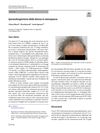
 A 77-year-old woman with hair loss had high testosterone and 17OH-progesterone levels, but no significant findings on imaging.
 March 2022 in “Women's health issues”
 The conclusion is that women are heavily affected by autoimmune skin diseases, face significant challenges, and need better research, treatments, and healthcare policies.
 343 citations
,
October 2015 in “Endocrine Practice”
343 citations
,
October 2015 in “Endocrine Practice” The guide recommends specific methods for diagnosing PCOS and various treatments for its symptoms, while considering the health impacts on adolescents.
 5 citations
,
March 2015 in “Clinical and Experimental Dermatology”
5 citations
,
March 2015 in “Clinical and Experimental Dermatology” Chemotherapy caused a woman's permanent hair loss and early menopause.
7 citations
,
January 2019 in “Journal of clinical medicine research” Menopause causes significant changes in the vaginal introitus, but less so in the labia majora, which may lead to symptoms of vaginal atrophy.
 April 2017 in “Journal of Investigative Dermatology”
 Hair loss patterns differ between males and females due to 5 master regulators and JAK-STAT signaling affects hair growth.
 4 citations
,
June 2025 in “Medeniyet Medical Journal”
4 citations
,
June 2025 in “Medeniyet Medical Journal” TMPRSS2 is crucial for COVID-19 infection and is a potential target for treatment.
8 citations
,
November 2023 in “Social Science & Medicine” Gendered social factors, not just biology, contribute to sex differences in adverse drug events.