 48 citations
,
March 2003 in “BJOG: An International Journal of Obstetrics and Gynaecology”
48 citations
,
March 2003 in “BJOG: An International Journal of Obstetrics and Gynaecology” Mothers and newborns with dental fillings had higher mercury in their hair, but getting fillings during pregnancy didn't raise mercury levels further.
63 citations
,
April 2017 in “Acta psychiatrica Scandinavica” Higher prenatal and adult androgen levels are linked to alcohol dependence and withdrawal severity.
 35 citations
,
December 2009 in “Human reproduction”
35 citations
,
December 2009 in “Human reproduction” Metformin taken during pregnancy increases SHBG in newborns but doesn't change other hormone levels in mothers or babies.
 122 citations
,
July 1990 in “Teratology”
122 citations
,
July 1990 in “Teratology” Finasteride exposure in pregnancy causes genital abnormalities in male rats.
January 1988 in “Toxicological Sciences” 4PeCDF is highly toxic to male rats, causing weight loss, organ damage, and death.
 6 citations
,
March 2009 in “Annals of Saudi Medicine”
6 citations
,
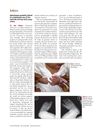
March 2009 in “Annals of Saudi Medicine” Finasteride use during early pregnancy may cause limb deformities in babies.
9 citations
,
April 2018 in “Biology of reproduction” Diet changes hormone levels in pregnant ewes by affecting metabolism, not placental synthesis.
 49 citations
,
March 2018 in “Toxicological sciences”
49 citations
,
March 2018 in “Toxicological sciences” Low doses of mixed chemicals cause permanent reproductive malformations in male rats.
January 2026 in “British Journal of Dermatology” Caffeine and DMG increase calcium influx in hair follicle cells without being toxic.
 4 citations
,
February 2022 in “Journal of Pharmaceutical and Biomedical Analysis”
4 citations
,
February 2022 in “Journal of Pharmaceutical and Biomedical Analysis” The conclusion is that a new method can measure caffeine and drugs in hair, finding caffeine abusers have 70 times more caffeine than normal, with a proposed cut-off value for abuse.
7 citations
,
April 1979 in “The Journal of Pediatrics”  38 citations
,
April 2018 in “Psychopharmacology/Psychopharmacologia”
38 citations
,
April 2018 in “Psychopharmacology/Psychopharmacologia” Blocking CRF-R1 can reduce alcohol intake in stressed mice.
 60 citations
,
May 2014 in “British Journal of Dermatology”
60 citations
,
May 2014 in “British Journal of Dermatology” Caffeine affects hair growth and health differently in men and women.
 12 citations
,
April 2020 in “British Journal of Dermatology”
12 citations
,
April 2020 in “British Journal of Dermatology” Caffeine may help reduce stress-induced hair loss.
October 2025 in “Environment International” Exposure to certain chemicals before birth and during childhood may affect puberty timing.
5 citations
,
December 2011 in “Vox Sanguinis” Some blood donors on teratogenic drugs may have unsafe drug levels, suggesting a need for better deferral policies.
 August 2020 in “Current psychopharmacology”
 Pregnancy and nursing increase certain brain activities in rats, but these changes disappear when the babies are taken away.
164 citations
,
December 1984 in “Proceedings of the National Academy of Sciences” TCDD reduces EGF receptor activity and causes various developmental changes in animals.
January 2013 in “Reproductive Biology” 1 citations
,
December 2013 in “BMJ case reports” A pregnant woman with Werner's syndrome died during childbirth, but her baby survived and did not have the syndrome.
19 citations
,
January 2003 in “Polish Journal of Environmental Studies” Higher lead levels were found in mothers of children with malformations.
 5 citations
,
January 2020 in “in Vivo”
5 citations
,
January 2020 in “in Vivo” Testosterone changes important cell communication proteins in pregnant rats' uteruses, which might affect pregnancy success.
 5 citations
,
April 2020 in “Jinekoloji - obstetrik ve neonatoloji tıp dergisi”
5 citations
,
April 2020 in “Jinekoloji - obstetrik ve neonatoloji tıp dergisi” Some chemicals in cosmetics may harm pregnant individuals, fetuses, and newborns, and should be avoided unless necessary.
 June 2026 in “Scholarly review .”
 Endocrine-disrupting chemicals cause irreversible harm to children's development, increasing disease risk.
10 citations
,
September 2015 in “Folia Histochemica Et Cytobiologica” Finasteride treatment in male rats can reduce fertility and affect sperm development in their offspring.
33 citations
,
September 2006 in “International Journal of Cosmetic Science” Caffeine improves male skin's barrier function.
Finasteride causes reproductive malformations in male rats.
15 citations
,
June 1996 in “Journal of Pharmacy and Pharmacology” Caffeine levels in hair and blood can indicate liver health.
 October 2025 in “Journal of Drugs in Dermatology”
 Topical caffeine can help with hair growth and reduce hair loss safely.
 February 2024 in “Psychoneuroendocrinology”
 Mothers with lower stress during pregnancy but higher stress after birth had infants with lower development scores.