9 citations
,
December 1996 in “Cell Biology and Toxicology” Hair follicle cells produce VEGF, which can promote blood vessel cell growth and movement.
19 citations
,
January 2019 in “Molecular Medicine Reports” Store stem cells at 4°C in 10% human serum and use within 2-4 hours for best results.
36 citations
,
March 2014 in “Molecular and Cellular Biology” Cidea is essential for proper lipid storage and secretion in sebaceous glands, affecting skin and hair health.
 22 citations
,
October 2019 in “Cerebral cortex”
22 citations
,
October 2019 in “Cerebral cortex” Sex neurosteroids cause different effects on hippocampal synaptic plasticity in males and females.
 277 citations
,
July 2002 in “Molecular Endocrinology”
277 citations
,
July 2002 in “Molecular Endocrinology” Removing part of the vitamin D receptor stops vitamin D from working properly.
 11 citations
,
July 2014 in “American Journal of Clinical Dermatology”
11 citations
,
July 2014 in “American Journal of Clinical Dermatology” People with vitiligo may have a higher rate of Helicobacter pylori infection, but the infection's severity doesn't affect how severe the vitiligo is.
 September 2006 in “Plastic and Reconstructive Surgery”
 The SGAP flap effectively treats large sacral pressure sores with good results and minimal complications.
 8 citations
,
December 1981 in “Journal of The American Academy of Dermatology”
8 citations
,
December 1981 in “Journal of The American Academy of Dermatology” The document concludes that parathyroid diseases have a range of clinical features and outcomes, with some conditions being treatable and others having a high risk of mortality.
 1 citations
,
June 2017 in “Veterinary dermatology”
1 citations
,
June 2017 in “Veterinary dermatology” A cross-bred lamb with severe skin and movement issues had ichthyosis fetalis but normal vitamin A levels.
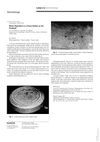 2 citations
,
January 1998 in “Dermatology”
2 citations
,
January 1998 in “Dermatology” Stopping forehead irritation and using hydrocortisone helped a man's skin, Martinique has lower melanoma rates, a man had an allergy to a specific antifungal, another had unexplained cysts, certain drugs can cause skin reactions without always being interrelated, a link between Fanconi anemia and a skin condition was suggested, high levels of a certain protein may play a role in a type of psoriasis, and there's a need to study the connection between scalp pain and hair loss.
6 citations
,
April 1993 in “Journal of Dermatological Science” Certain substances can strongly inhibit DNA synthesis in hair cells.
12 citations
,
May 2016 in “Experimental Dermatology” A new skin model from hair follicles is a safer, simpler alternative for skin tests.
405 citations
,
January 2004 in “Journal of Investigative Dermatology” Hair follicle size and distribution vary significantly across different body sites.
 20 citations
,
December 2013 in “Journal of Dermatology”
20 citations
,
December 2013 in “Journal of Dermatology” UV-B light increases inflammation-related substances in acne-related skin cells.
 94 citations
,
February 1994 in “The journal of investigative dermatology/Journal of investigative dermatology”
94 citations
,
February 1994 in “The journal of investigative dermatology/Journal of investigative dermatology” EGF makes hair follicles grow longer but stops hair production.
 78 citations
,
June 2003 in “Journal of Investigative Dermatology Symposium Proceedings”
78 citations
,
June 2003 in “Journal of Investigative Dermatology Symposium Proceedings” TGF-β1 from dermal papilla cells suppresses hair growth, and targeting it may help treat androgenetic alopecia.
 72 citations
,
December 1983 in “Journal of Investigative Dermatology”
72 citations
,
December 1983 in “Journal of Investigative Dermatology” Minoxidil helps hair cells live longer and grow longer.
 63 citations
,
January 1984 in “Journal of Investigative Dermatology”
63 citations
,
January 1984 in “Journal of Investigative Dermatology” Minoxidil promotes hair growth by increasing cell division and DNA synthesis.
 57 citations
,
February 1983 in “The Journal of clinical endocrinology and metabolism/Journal of clinical endocrinology & metabolism”
57 citations
,
February 1983 in “The Journal of clinical endocrinology and metabolism/Journal of clinical endocrinology & metabolism” Dihydrotestosterone increases the activity of an enzyme in pubic skin cells that converts testosterone to dihydrotestosterone.
 56 citations
,
July 2005 in “Experimental Dermatology”
56 citations
,
July 2005 in “Experimental Dermatology” Injected human hair follicle cells can create new, small hair follicles in skin cultures.
 34 citations
,
February 1999 in “Journal of Dermatological Science”
34 citations
,
February 1999 in “Journal of Dermatological Science” Minoxidil boosts enzymes that help hair growth.
 27 citations
,
April 1992 in “Biochemical Journal”
27 citations
,
April 1992 in “Biochemical Journal” Minoxidil reduces lysine hydroxylase in skin cells.
 20 citations
,
October 2008 in “Archives of dermatological research”
20 citations
,
October 2008 in “Archives of dermatological research” Angiogenin helps hair grow by stimulating cell growth and blood vessel formation.
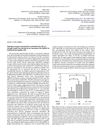 19 citations
,
September 2011 in “Journal of Dermatological Science”
19 citations
,
September 2011 in “Journal of Dermatological Science” TGF-β1 increases androgen receptor activity in hair loss, but Hic-5/ARA55 can counter this effect.
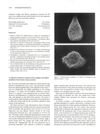 8 citations
,
September 1993 in “British journal of dermatology/British journal of dermatology, Supplement”
8 citations
,
September 1993 in “British journal of dermatology/British journal of dermatology, Supplement” A new method helps isolate key hair components to study hair growth and loss.
 7 citations
,
July 2005 in “Journal of Dermatological Science”
7 citations
,
July 2005 in “Journal of Dermatological Science” The gene URB is more active in human hair growth cells and responds to a hair-related hormone.
 2 citations
,
November 2003 in “Humana Press eBooks”
2 citations
,
November 2003 in “Humana Press eBooks” Hair follicle cells can help heal wounds and study skin diseases.
 1 citations
,
January 2021
1 citations
,
January 2021 CD4+ skin cells may be precursors to basal cell carcinoma.
 162 citations
,
April 2016 in “The Lancet Diabetes & Endocrinology”
162 citations
,
April 2016 in “The Lancet Diabetes & Endocrinology” Testosterone therapy in transgender men has both desired effects like increased muscle mass and potential health risks such as higher cardiovascular risk.
 74 citations
,
July 1979 in “Lancet”
74 citations
,
July 1979 in “Lancet” Biotin treatment can significantly improve hair loss and motor functions in certain metabolic disorders.