24 citations
,
April 2016 in “Experimental Dermatology” Chemical treatments like dyeing, perming, and bleaching damage hair by altering amino acids and lipids.
April 2025 in “International Journal of Dermatology” Renaming frontal fibrosing alopecia to a syndrome could improve diagnosis and treatment.
195 citations
,
December 2009 in “Journal of Investigative Dermatology” Free fatty acids in sebum boost skin's defense against acne by increasing antimicrobial peptides.
 6 citations
,
January 2019 in “Medical Hypotheses”
6 citations
,
January 2019 in “Medical Hypotheses” Frontal Fibrosing Alopecia might be an autoimmune disease.
 1 citations
,
April 2023 in “Langmuir”
1 citations
,
April 2023 in “Langmuir” Damaged hair allows water to penetrate more easily, and fatty acids from shampoos can deposit on hair surfaces.
 August 1994 in “Journal of dermatological science”
 Different substances affect hair and skin cell growth in various ways.
 August 1994 in “Journal of dermatological science”
 Different substances affect hair and skin cell growth in various ways, with some promoting and others inhibiting cell proliferation.
 August 1994 in “Journal of dermatological science”
 Cyclosporin A and FK506 can start new hair growth in mice, but ascomycin and rapamycin cannot.
 August 1994 in “Journal of dermatological science”
 Active oxygen scavengers can reverse the suppression of hair cell growth caused by androgens.
 August 1994 in “Journal of dermatological science”
 Mouse hair cells respond to male hormones by growing less, and this can be stopped by certain blockers.
 1 citations
,
February 2018 in “British Journal of Dermatology”
1 citations
,
February 2018 in “British Journal of Dermatology” The CWARTS tool is a promising method for assessing warts and could improve treatment and research.
 February 2018 in “British Journal of Dermatology”
 We need better research to improve alopecia treatment and patient care.
 102 citations
,
July 2007 in “Genes & Development”
102 citations
,
July 2007 in “Genes & Development” A mother's PPARγ is crucial for preventing harmful milk that can cause inflammation and growth problems in babies.
 12 citations
,
February 2006 in “Lipids”
12 citations
,
February 2006 in “Lipids” Hair texture changes with age due to varying levels of lipids.
 11 citations
,
May 2023 in “Journal of Cutaneous Medicine and Surgery”
11 citations
,
May 2023 in “Journal of Cutaneous Medicine and Surgery” Plasma Rich in Growth Factors may help reduce hair loss in Frontal Fibrosing Alopecia.
 11 citations
,
April 2020 in “Journal of Dermatological Treatment”
11 citations
,
April 2020 in “Journal of Dermatological Treatment” Taking oral isotretinoin with creams worked better for treating a type of hair loss than creams alone.
 2 citations
,
April 2018 in “Journal of Investigative Dermatology”
2 citations
,
April 2018 in “Journal of Investigative Dermatology” Frontal fibrosing alopecia shows increased inflammation and JAK-STAT pathway activity without reduced hair proteins.
 January 2017 in “Springer eBooks”
 The document explains various skin conditions and their treatments.
 November 2023 in “Deleted Journal”
 Combining laser and corticosteroid is not better than corticosteroid alone for treating frontal fibrosing alopecia.
 July 2022 in “Research Square (Research Square)”
 Lower PPARγ levels and specific gene variations are linked to more severe Frontal Fibrosing Alopecia.
 April 2018 in “Journal of Investigative Dermatology”
 Kaempferol helps skin stem cells grow and may improve skin thickness due to its 3-OH group.
 April 2018 in “Journal of Investigative Dermatology”
 Removing STAT5 from 3D-cultured human skin cells reduces their ability to grow hair.
 April 2018 in “Journal of Investigative Dermatology”
 Ginsenoside Rd may help improve skin aging by increasing collagen in the skin.
 April 2018 in “Journal of Investigative Dermatology”
 Aging reduces skin cell renewal and defense against germs due to TGFbeta, but blocking TGFbeta could help restore these functions.
 April 2018 in “Journal of Investigative Dermatology”
  August 2019 in “Journal of The American Academy of Dermatology”
 Platelet-rich plasma helps hair regrowth and improves quality of life in women with hair loss, but minoxidil may be more effective.
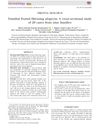 8 citations
,
November 2018 in “Australasian Journal of Dermatology”
8 citations
,
November 2018 in “Australasian Journal of Dermatology” Frontal fibrosing alopecia in families shows similar signs to individual cases and may have a genetic link.
 January 2025 in “Indian Journal of Dermatology”
 Frontal fibrosing alopecia is a challenging hair loss condition with no known cause or definitive treatment.
2 citations
,
June 2021 in “Sultan Qaboos University medical journal” Familial frontal fibrosing alopecia is rare, mostly affects women, and often occurs between sisters or mother-daughter pairs.
 1341 citations
,
January 2014 in “Cardiology Research and Practice”
1341 citations
,
January 2014 in “Cardiology Research and Practice” Managing metabolic syndrome needs both lifestyle changes and medical treatments.