 271 citations
,
September 2008 in “Nutrition reviews”
271 citations
,
September 2008 in “Nutrition reviews” Vitamin D receptor interacts with certain dietary components to help prevent diseases and regulate hair growth.
56 citations
,
December 1990 in “Differentiation” Growth factors can either promote or inhibit hair follicle cell growth and collagen breakdown.
9 citations
,
August 2021 in “International journal of molecular sciences” PPARγ is essential for maintaining healthy skin, controlling inflammation, and ensuring proper skin barrier function.
24 citations
,
March 2021 in “Frontiers in Cell and Developmental Biology” Wnt signaling is disrupted in asthma, affecting cell growth and inflammation.
 April 2018 in “The journal of investigative dermatology/Journal of investigative dermatology”
 Double-stranded RNA helps regenerate hair follicles by increasing retinoic acid production and signaling.
44 citations
,
June 2023 in “Cell Reports” IL-1 promotes fat cell growth in skin, while WNT inhibits it and encourages scar formation.
128 citations
,
August 2020 in “Cell stem cell” Dermal fibroblasts have adjustable roles in wound healing, with specific cells promoting regeneration or scar formation.
 19 citations
,
September 2011 in “Journal of Dermatological Science”
19 citations
,
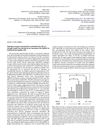
September 2011 in “Journal of Dermatological Science” TGF-β1 increases androgen receptor activity in hair loss, but Hic-5/ARA55 can counter this effect.
 74 citations
,
September 2006 in “Cell Cycle”
74 citations
,
September 2006 in “Cell Cycle” The HR protein's role as a repressor is essential for controlling hair growth.
2 citations
,
January 2001 in “Medical Journal of National Defending Forces in Northwest China” Endogenous EGF helps heal second-degree scald wounds faster.
46 citations
,
May 2003 in “Mechanisms of Development” Increasing calcium sensing receptor speeds up skin and hair development in mice.
April 2018 in “Journal of Investigative Dermatology” Differentiated fibroblasts regenerate hair follicles better than undifferentiated ones.
 October 2021 in “Journal of Investigative Dermatology”
 Dkk4 protein is necessary for the proper development and arrangement of hair follicles.
 4 citations
,
December 2021 in “The journal of investigative dermatology/Journal of investigative dermatology”
4 citations
,
December 2021 in “The journal of investigative dermatology/Journal of investigative dermatology” Overactive Wnt signaling in mouse skin stem cells causes acne-like cysts and shrinking oil glands, which some treatments can partially fix.
January 2017 in “PRISM (University of Calgary)” Unique genes in hair follicle cells help tissue regeneration.
 36 citations
,
January 2021 in “Scientific Reports”
36 citations
,
January 2021 in “Scientific Reports” Key genes and pathways, including Wnt, NF-Kappa, and JAK-STAT, are crucial for starting Pashmina fiber growth in goats.
 December 2024 in “Animals”
 RORA may help regulate hair growth by affecting hair follicle stem cells.
1 citations
,
October 2021 in “Journal of Investigative Dermatology” May 2005 in “Faculty Opinions – Post-Publication Peer Review of the Biomedical Literature” Truncated LTBP-1 disrupts TGF-beta signaling, affecting hair growth.
 August 2019 in “Research Square (Research Square)”
 Certain long non-coding RNAs in cashmere goats affect hair growth when treated with a specific growth factor.
 February 2025 in “Science Advances”
 Wnt signaling helps regenerate hair follicles by affecting how skin cells sense and respond to mechanical forces.
 127 citations
,
July 2002 in “EMBO journal”
127 citations
,
July 2002 in “EMBO journal” Normal skin cell renewal doesn't need RAR signaling, but vitamin A-related skin thickening does.

Reprogramming adult fibroblasts may enable scar-free healing.
GPC1 is important for hair growth by helping blood vessels form around hair follicles.
ARHGEF3 is essential for proper hair follicle development.
 10 citations
,
May 2016 in “Journal of Dermatological Science”
10 citations
,
May 2016 in “Journal of Dermatological Science” PDGF-BB helps young melanocytes grow but stops mature ones from growing, and it makes melanocytes more specialized.
The FOS gene helps hair growth in Tan sheep.
 December 2023 in “Journal of the Endocrine Society”
 Blocking glucocorticoid receptors improves glucose metabolism in a PCOS mouse model.
 12 citations
,
June 2017 in “Cell Cycle”
12 citations
,
June 2017 in “Cell Cycle” Minoxidil foam helps hair growth by increasing good proteins and decreasing bad pathways in men with hair loss.
 April 2026 in “International Journal of Molecular Sciences”
 Wnt signaling is crucial for skin, hair, and nail health and regeneration.