 June 2013 in “Faculty Opinions – Post-Publication Peer Review of the Biomedical Literature”
 FGF9 from certain cells can trigger new hair growth during wound healing, but humans have fewer of these cells, which may limit hair regrowth.
February 2009 in “Journal of Investigative Dermatology” EGFR is essential for organized skin nerve growth and branching.
37 citations
,
January 2010 in “Human Molecular Genetics” FTase and GGTase-I are essential for skin keratinocyte health.
 October 2013 in “Faculty Opinions – Post-Publication Peer Review of the Biomedical Literature”
 FGF9 from certain T cells helps create new hair follicles during wound healing, which could potentially be used for hair loss treatments.
 June 2013 in “Faculty Opinions – Post-Publication Peer Review of the Biomedical Literature”
 A substance called FGF9 from certain immune cells can trigger new hair growth during wound healing in mice, but humans may not have the same response due to fewer of these cells.
January 2003 in “Jiefangjun yixue zazhi” Growth factors in skin increase with age, aiding development and healing.
November 2022 in “Journal of Investigative Dermatology” EGFR is crucial for preventing hair follicle inflammation and hair loss.
December 2020 in “Research Square (Research Square)” A genetic change in the FGF5 gene affects hair growth in cashmere goats.
5 citations
,
November 2013 in “Journal of Investigative Dermatology” The glucocorticoid receptor helps protect skin from tumors and other issues.
EGF and FGF signaling stops hair follicle development in mice.
 November 2023 in “The journal of investigative dermatology/Journal of investigative dermatology”
 ARQ-234, a protein designed to treat atopic dermatitis, shows increased effectiveness in early testing.
June 2026 in “British Journal of Dermatology” A rare genetic mutation in the EGFR gene caused severe skin issues and other health problems in a Slovakian girl, who is now 4 years old and receiving care.
 November 2008 in “Medical & surgical dermatology”
 A device was made in 2008 to measure hair loss severity. Other findings include: frizzy mutation in mice isn't related to Fgfr2, C/EBPx marks preadipocytes, Cyclosporin A speeds up hair growth in mice, blocking plasmin and metalloproteinases hinders healing, hyperbaric oxygen helps ischemic wound healing, amniotic membranes heal wounds better than polyurethane foam, rhVEGF165 from a fibrin matrix improves tissue flap viability and induces VEGF-R2 expression, and bFGF enhances wound healing and reduces scarring in rabbits.
 April 2018 in “Journal of Investigative Dermatology”
 NDRG1 protein helps infantile hemangioma, a common infant tumor, to grow, and its mismanagement by FOXO1 protein plays a big role in causing the tumor.
1 citations
,
October 2025 in “Journal of Investigative Dermatology” Delgocitinib cream may help treat frontal fibrosing alopecia.
3 citations
,
August 2024 in “Molecular Biology Reports” LncRNA018392 helps goat skin cells grow by increasing CSF1R.
2 citations
,
June 2025 in “Preprints.org” Targeting amphiregulin may improve treatment for fibrotic diseases and cancer.
TNFα and interleukin-1 blockers reduce skin inflammation from EGFR antibody therapy.
 October 2024 in “Stem Cell Research & Therapy”
 CGF therapy may effectively treat psoriasis by reducing inflammation.
January 2014 in “Ghent University Academic Bibliography (Ghent University)” FGF18 may influence hair loss in dogs.
29 citations
,
June 2015 in “Kidney International” Disrupting the Flcn gene in mice causes early kidney cysts and tumors, which can be treated with rapamycin.
January 2011 in “Anhui nongye kexue” The vector successfully directed specific gene expression in hair follicles.
TNFα and interleukin-1 blockers reduce skin inflammation from EGFR antibody therapy.
PDGF signaling is crucial for cell development, wound healing, and fluid regulation in the body.
 25 citations
,
August 2010 in “Journal of Biological Chemistry”
25 citations
,
August 2010 in “Journal of Biological Chemistry” Nuclear Factor I-C is important for controlling hair growth by affecting the TGF-β1 pathway.
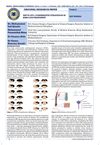 November 2025 in “PARIPEX-INDIAN JOURNAL OF RESEARCH”
 GFC is more effective than PRP for treating hair loss.
24 citations
,
January 2018 in “Development” Frizzled 3 and Frizzled 6 together control the orientation of mouse hair follicles.
163 citations
,
October 2001 in “EMBO journal” Overexpressing follistatin in mice delays wound healing and reduces scar size.
47 citations
,
September 2012 in “Human molecular genetics online/Human molecular genetics” Folliculin deficiency causes problems with cell division and positioning due to disrupted RhoA signaling and interaction with p0071.
 2 citations
,
August 2022 in “Emergency medicine international”
2 citations
,
August 2022 in “Emergency medicine international” Keloid skin disorder involves abnormal fibroblast activation and immune response, linked to a group of genes including FGF11.