
Fraser's Dolphin can heal skin wounds with minimal scarring, unlike humans.
 February 2026 in “Journal of the Korean Society of Cosmetology”
 Silicone oil viscosity affects hair curling and damage during treatments.
 January 2026 in “International Society of Hair Restoration Surgery”
 A multimodal approach successfully restored a burn victim's scalp hair over 10 years.
 April 2025 in “Health Science Reports”
 Smoking and lighter hair color increase alopecia risk, especially in women and those over 25.
Mesenchymal stem cell-derived exosomes significantly increase hair density and thickness in androgenic alopecia patients.

Iron deficiency anemia can cause itching, which often improves with iron supplements.
 August 2023 in “International journal of basic and clinical pharmacology”
 Herbal hair serum promotes natural hair growth and maintains healthy hair.
 April 2021 in “Han'gug miyong haghoeji/Journal of the Korean society of cosmetology”
 Eating raw cheonggukjang improves scalp hair in middle-aged women.
 January 2019 in “Springer eBooks”
 Platelet-rich plasma therapy may have benefits and is generally safe, but more research is needed to confirm its effectiveness and safety.
 November 2016 in “Universiti Putra Malaysia Institutional Repository (Universiti Putra Malaysia)”
 Dendrobium sabin flower extract may help reduce skin aging from UV exposure.
 June 2004 in “Dermatologic Surgery”
 Dr. Walter P. Unger suggests that copying a person's natural hair direction and angle during transplants leads to a more natural and fuller appearance.
 32 citations
,
June 2013 in “Journal of Investigative Dermatology”
32 citations
,
June 2013 in “Journal of Investigative Dermatology” Mice without certain skin proteins had abnormal skin and hair development.
November 2025 in “Veterinary and Animal Science” Camel hair structure, not color, helps camels stay cool in the desert.
 286 citations
,
April 2009 in “The journal of neuroscience/The Journal of neuroscience”
286 citations
,
April 2009 in “The journal of neuroscience/The Journal of neuroscience” TRPA1 is crucial for mechanical sensitivity in skin sensory neurons.
 101 citations
,
January 1997 in “Journal of Investigative Dermatology Symposium Proceedings”
101 citations
,
January 1997 in “Journal of Investigative Dermatology Symposium Proceedings” Nerves and chemicals in the body can affect hair growth and loss.
 94 citations
,
February 1994 in “The journal of investigative dermatology/Journal of investigative dermatology”
94 citations
,
February 1994 in “The journal of investigative dermatology/Journal of investigative dermatology” EGF makes hair follicles grow longer but stops hair production.
 84 citations
,
June 2013 in “Stem Cells Translational Medicine”
84 citations
,
June 2013 in “Stem Cells Translational Medicine” New methods for skin and nerve regeneration can improve healing and feeling after burns.
 50 citations
,
December 2020 in “Bioactive Materials”
50 citations
,
December 2020 in “Bioactive Materials” Wound dressing absorbs fluid, regenerates hair follicles, and heals skin burns.
 46 citations
,
July 2007 in “Journal of comparative neurology”
46 citations
,
July 2007 in “Journal of comparative neurology” Manatee whiskers are specially adapted for touch in water.
 45 citations
,
April 2013 in “Cell Transplantation”
45 citations
,
April 2013 in “Cell Transplantation” Activin B improves wound healing and hair growth by helping stem cells move using certain cell signals.
 33 citations
,
January 2005 in “Dermatology”
33 citations
,
January 2005 in “Dermatology” Trichoscan is a reliable method for measuring hair growth and monitoring treatment effectiveness in hair loss.
 32 citations
,
May 2018 in “Cell Cycle”
32 citations
,
May 2018 in “Cell Cycle” Melatonin helps Cashmere goats grow more hair by affecting certain genes and cell pathways.
 30 citations
,
April 2017 in “Journal of structural biology”
30 citations
,
April 2017 in “Journal of structural biology” Human hair keratin fibers have a detailed nano-scale structure that changes with different conditions.
 29 citations
,
December 2011 in “British Journal of Dermatology”
29 citations
,
December 2011 in “British Journal of Dermatology” A new hair treatment with caffeine and other ingredients makes hair thicker and less likely to break.
 25 citations
,
April 2008 in “Archives of Dermatological Research”
25 citations
,
April 2008 in “Archives of Dermatological Research” Encapsulated human hair cells can substitute for natural hair cells to grow hair.
 21 citations
,
March 2017 in “Skin research and technology”
21 citations
,
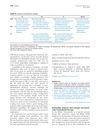
March 2017 in “Skin research and technology” Removing external lipids from hair reduces moisture and increases strength, while removing internal lipids decreases water permeability.
 21 citations
,
March 2015 in “Journal of The American Academy of Dermatology”
21 citations
,
March 2015 in “Journal of The American Academy of Dermatology” Vemurafenib therapy can cause hair loss, but clobetasol propionate foam can help regrow hair.
 15 citations
,
July 2004 in “Journal of morphology”
15 citations
,
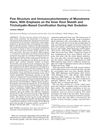
July 2004 in “Journal of morphology” Monotreme hair structure and protein distribution are similar to other mammals, but their inner root sheath cornifies differently, suggesting a unique evolution from reptile skin.
 15 citations
,
February 1999 in “The anatomical record”
15 citations
,
February 1999 in “The anatomical record” Some mutant mice have hair with abnormal cross-linking, mainly in the cuticle, not affecting other hair parts.
 14 citations
,
March 1995 in “Journal of cell science”
14 citations
,
March 1995 in “Journal of cell science” SV40 T antigen in hair follicles causes abnormal hair and health issues in mice.