15 citations
,
February 2000 in “Journal of Cutaneous Pathology” The arrector pili muscle attaches to the extracellular matrix using α5β1 integrin and connects muscle cells using α1β1 integrin.
12 citations
,
December 2011 in “Journal of Dermatological Science” The C-terminal tail of AHF/trichohyalin is essential for organizing keratin filaments in keratinocytes.
 15 citations
,
May 2003 in “The Laryngoscope”
15 citations
,
May 2003 in “The Laryngoscope” FGF-1 causes spiral ganglion neurites to branch more.
2 citations
,
February 2021 in “FEBS open bio” Human hair keratins K85 and K35 create unique filament patterns important for early hair formation.
 6 citations
,
January 2015 in “Biochemical Society Transactions”
6 citations
,
January 2015 in “Biochemical Society Transactions” The Ysc84/SH3yl1 protein family is important for cell movement and the process of taking in materials by interacting with actin and cell membranes.
 8 citations
,
September 2016 in “Journal of Investigative Dermatology”
8 citations
,
September 2016 in “Journal of Investigative Dermatology” Mice with more Flightless I protein grew back their claws better after amputation.
57 citations
,
May 2016 in “Matrix Biology” Laminin α5 is essential for skin communication and health.
3 citations
,
February 2023 in “Journal of Investigative Dermatology” Ch55 may help reduce skin scarring and fibrosis.
March 2026 in “Wound Repair and Regeneration” MARCKSL1 is important for wound healing and could be a target to reduce scarring.
 13 citations
,
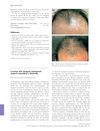
February 2007 in “British Journal of Dermatology”
13 citations
,
February 2007 in “British Journal of Dermatology” EF and PXE not closely related.
 17 citations
,
December 2010 in “Journal of Investigative Dermatology”
17 citations
,
December 2010 in “Journal of Investigative Dermatology” Flightless I protein affects hair growth, with low levels delaying it and high levels increasing hair length in rodents.
488 citations
,
July 2021 in “Cell” Fibroblasts are crucial for tissue repair and inflammation, and understanding them can help treat fibrotic diseases.
6 citations
,
August 2024 in “Biomacromolecules” The model helps test drugs for clubfoot fibrosis by mimicking cell environments and shows minoxidil reduces harmful collagen links.
 16 citations
,
February 2007 in “Plastic and Reconstructive Surgery”
16 citations
,
February 2007 in “Plastic and Reconstructive Surgery” Keratinocytes show more TGF-β system activity and collagen production as they age, which might affect wound scarring.
42 citations
,
July 2015 in “PLoS ONE” The study revealed the detailed structure of a keratin dimer, aiding understanding of how intermediate filament proteins function.
17 citations
,
July 2022 in “Advances in Wound Care” Fibroblasts play a crucial role in the body's response to implants, needing more research for better treatments.
September 2001 in “Connective tissue” Type XII and XIV collagens help maintain hair follicle structure in bovine skin.
 13 citations
,
May 2016 in “International journal of biological macromolecules”
13 citations
,
May 2016 in “International journal of biological macromolecules” Keratin's mechanical properties are influenced by hydrogen bonds and secondary structure, and can be improved with the SPD-2 peptide.
 33 citations
,
November 1994 in “Archives of Biochemistry and Biophysics” 54 citations
,
January 1984 in “Molecular and Cellular Biochemistry” January 2009 in “Xumu shouyi xuebao”
33 citations
,
November 1994 in “Archives of Biochemistry and Biophysics” 54 citations
,
January 1984 in “Molecular and Cellular Biochemistry” January 2009 in “Xumu shouyi xuebao” Sheep cells were successfully modified to include a spider silk protein gene.
91 citations
,
December 2000 in “The journal of cell biology/The Journal of cell biology” Scientists successfully created mouse hair proteins in the lab, which are stable and similar to natural hair.
 45 citations
,
October 2008 in “Cytokine & Growth Factor Reviews”
45 citations
,
October 2008 in “Cytokine & Growth Factor Reviews” Activins and follistatins, part of the TGFβ family, are crucial for hair follicle development and skin health, affecting growth, repair, and the hair cycle.
77 citations
,
April 2005 in “Journal of Investigative Dermatology” Repetin is a protein involved in skin and hair development, binding calcium and compensating for other proteins when needed.
7 citations
,
April 2020 in “Applied Sciences” Ultrasound helps create gels that speed up tissue formation.
 7 citations
,
March 2020 in “PloS one”
7 citations
,
March 2020 in “PloS one” α-parvin is necessary for skin and hair growth and for the correct orientation of skin cells.
19 citations
,
May 2016 in “Matrix Biology” Deleting a specific protein in skin cells disrupts normal hair growth and development.

Wnt7a helps corneal cells grow and stick together, aiding in repair.
1 citations
,
January 2020 in “bioRxiv (Cold Spring Harbor Laboratory)” Weak cell junctions disrupt hair follicle stem cell rest.
25 citations
,
October 2002 in “The journal of investigative dermatology/Journal of investigative dermatology” Mouse profilaggrin helps in skin cell differentiation and may be involved in calcium signaling.