 March 2025 in “Journal of College of Physicians And Surgeons Pakistan”
 Many LGBTQ individuals in Lahore face skin issues, with androgenic alopecia, dry skin, and scabies being common, highlighting the need for better healthcare access and provider training.
 March 2025 in “International Journal of Trichology”
 FAPD in children may not depend on androgens and should be treated with anti-inflammatory measures and minoxidil.
 February 2025 in “La Pediatria Medica e Chirurgica”
 The boy's Cushing's Disease was treated successfully, but he developed growth hormone deficiency.
February 2025 in “Journal of the European Academy of Dermatology and Venereology” Oral dutasteride is a recommended first treatment for frontal fibrosing alopecia.
 February 2025 in “Clinical Cosmetic and Investigational Dermatology”
 Higher fasting insulin levels increase the risk of androgenetic alopecia.
 February 2025 in “Clinical Cosmetic and Investigational Dermatology”
 Genetic risk for hair loss can increase depression risk, but depression doesn't increase hair loss risk.
 January 2025 in “Natural Product Research”
 Nyctanthes arbor-tristis has potential health benefits and needs more research for safe medicinal use.
 January 2025 in “International Journal of Advanced Research in Science Communication and Technology”
 Herbal shampoos effectively promote hair growth and control dandruff using traditional herbs and modern technology.
 January 2025 in “Expert Opinion on Drug Delivery”
 Nanocarriers could improve hair loss treatment but need more research for effectiveness and safety.
 January 2025 in “Cosmetics”
 Exosomes could help treat skin and hair issues by improving healing and reducing stress.

Combined oral minoxidil and finasteride significantly improve hair density in men with male pattern baldness.

PRP can improve hair growth in androgenetic alopecia, but results vary.
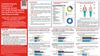 January 2025 in “SKIN The Journal of Cutaneous Medicine”
 People with alopecia areata face different healthcare access and experiences based on their race and ethnicity.
 January 2025 in “International Journal of Unani and Integrative Medicine”
 Combining modern and Unani treatments may offer better care for hirsutism in PCOS.

Herbal therapies for alopecia show promise but need more research for safety and effectiveness.
 January 2025 in “Annals of Dermatology”
 COVID-19 vaccination may slightly increase the risk of hair loss, but benefits outweigh this risk.
 January 2025 in “Annals of Dermatology”
 Low-dose dutasteride effectively and safely promotes hair growth in men.
 January 2025 in “Journal of Clinical Personalized Medicine”
 Traditional Chinese medicine external therapies can effectively treat alopecia, but more rigorous research is needed.

Teledermatology effectively diagnoses and manages non-scarring alopecia remotely.
January 2025 in “Stem Cells International” Epigenetic changes in skin cells contribute to aging, but targeting these changes may offer new antiaging treatments.
 January 2025 in “Advances in Clinical Medicine”
 Fractional CO2 laser therapy effectively improves skin conditions and recovery when combined with other treatments.
January 2025 in “Journal of Drugs in Dermatology” Healthy scalp is crucial for hair growth and preventing dandruff.
 December 2024 in “Quality in Sport”
 Diet and lifestyle changes can help manage autoimmune diseases by reducing inflammation and supporting immune health.
 December 2024 in “Journal of Education Health and Sport”
 Too much sugar harms skin, causing wrinkles and acne, but a low-sugar diet can help.
December 2024 in “Journal of Clinical Medicine” Assessing blood flow can improve skin graft success.
 December 2024 in “International Journal of Dermatology”
 JAK inhibitors may help treat both alopecia areata and vitiligo, but more research is needed.
 December 2024 in “African Journal of Biomedical Research”
 Combining lifestyle changes and medication is most effective for managing PCOS symptoms.
 December 2024 in “Therapeutic Delivery”
 Topical dutasteride shows promise for hair loss but needs more research.
 November 2024 in “Applied Sciences”
 Placenta products might help with hair loss, but more research is needed.
 November 2024 in “Skin Appendage Disorders”
 Misinformation about alopecia can lead to poor treatment, so it's important for healthcare professionals to correct myths.