December 2020 in “Research Square (Research Square)” A genetic change in the FGF5 gene affects hair growth in cashmere goats.
July 2012 in “Reactions Weekly” Crushed finasteride tablets can harm pregnant and fertile women.
March 2005 in “Journal of the American Academy of Dermatology” Cosmetic treatments can replenish key amino acids in damaged hair, improving its strength and appearance.
19 citations
,
September 2019 in “British Journal of Dermatology” FOL-005 peptide can reduce human hair growth by lowering FGF7 levels.
60 citations
,
July 2014 in “Autophagy” The protein FLCN is involved in cellular cleanup and is regulated by ULK1.
 November 2009 in “Cambridge University Press eBooks”
 The document's conclusion cannot be provided because the content is not accessible.
 30 citations
,
March 2016 in “European Journal of Pharmaceutical Sciences”
30 citations
,
March 2016 in “European Journal of Pharmaceutical Sciences” Optimized film improves finasteride skin absorption and treatment efficiency.
A hair growth ointment improved hair length in a family with a genetic hair growth condition.
January 2025 in “Biochemical Pharmacology” Peficitinib can turn human fibroblasts into cells that help grow hair.
1 citations
,
October 2020 in “Research Square (Research Square)” A genetic variant in goats is linked to cashmere growth.
October 2024 in “International Journal of Pharmaceutics” Finasteride in lipid carriers improved hair growth in rats.
1 citations
,
January 2014 in “Asian Journal of Chemistry” Two impurities in finasteride were identified and characterized as cyclohexyl and phenyl analogs.
1 citations
,
July 2010 in “PubMed” Arabidopsis Formin 2 stabilizes actin filaments, affecting cell-to-cell movement and virus susceptibility.
186 citations
,
December 2011 in “Molecules” Three specific 4-azasteroid-2-oximes showed strong enzyme inhibition, but less than finasteride.
 April 2026 in “Zenodo (CERN European Organization for Nuclear Research)”
 The model improves understanding of androgen interactions by focusing on signal intensity and system capacity.
January 2003 in “The Chinese Journal of Clinical Pharmacology” The method accurately measures finasteride in plasma and is suitable for clinical use.
January 2013 in “Zhongguo yaofang” The method effectively detects residual solvents in finasteride raw materials.
 12 citations
,
June 2022 in “FARMACIA”
12 citations
,
June 2022 in “FARMACIA” Transethosomal gels improve naftifine skin delivery better than Exoderil cream.
 February 2024 in “Skin research and technology”
 The research suggests that immune cells and a specific type of cell death called ferroptosis are involved in Frontal fibrosis alopecia.
 July 2023 in “Journal of Drug Delivery Science and Technology”
 Finasteride niosomes were developed and found to be effective in treating hair loss, with better results than commercial minoxidil, and could be a promising topical treatment for hair loss.
 10 citations
,
June 2005 in “The journal of investigative dermatology/Journal of investigative dermatology”
10 citations
,
June 2005 in “The journal of investigative dermatology/Journal of investigative dermatology” FP-1 is a key protein in rat hair growth, active only during the growth phase.
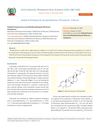 November 2023 in “Acta scientific pharmaceutical sciences”
 Different methods accurately measure Finasteride in medicines and body fluids.
 March 1996 in “Hair transplant forum international”
 Kevis P.F. may help with hair care when used with other products.
October 2021 in “Scholarworks (University of Massachusetts Amherst)” FERONIA is crucial for plant growth, pollen tube reception, and sugar signaling.
 October 2020 in “Journal of Pharmaceutical Sciences”
 Topical finasteride with EGCG or TA improves drug release and dermal uptake, potentially treating hair loss effectively.
 February 2024 in “International journal of pharmaceutical sciences and nanotechnology”
 Nanocarriers in gel may reduce side effects of oral hair loss treatments.
 20 citations
,
January 2017 in “Scientific reports”
20 citations
,
January 2017 in “Scientific reports” Whale genes show changes that help them live in water, like less hair and better flippers.
June 2025 in “British Journal of Dermatology” Tofacitinib is more effective than methotrexate for treating moderate-to-severe alopecia areata.