Nanotechnology shows promise for better hair loss treatments but needs more research for safety and effectiveness.
May 2023 in “Clinical, Cosmetic and Investigational Dermatology” More personalized and effective treatments for androgenetic alopecia are needed.
 May 2023 in “International Journal of Trichology”
 PRP therapy for hair loss is safe but its effectiveness is doubtful.
 April 2023 in “Journal of Cutaneous and Aesthetic Surgery”
 Using different hair loss treatments at various times can improve results and reduce side effects for people with chronic hair loss.
 January 2022 in “Clinical dermatology open access journal”
 Certain cannabinoids may help increase hair growth and could be useful for treating hair loss.
 December 2021 in “International Journal of Science and Research (IJSR)”
 Ayurveda links hair loss to imbalances in body energies, offering insights beyond modern treatments.
 December 2021 in “Farmacia”
 Different hair loss treatments like topical mixtures, plasma infiltrations, and oral medicine can stop hair loss and improve hair density and follicle size.
 January 2020 in “Jurnal Penelitian Perawat Profesional”
 Panax Ginseng may help prevent hair loss.
 January 2020 in “Elsevier eBooks”
 Plant-based chemicals may help hair growth and prevent hair loss but need more research to compete with current treatments.
January 2020 in “Indian Journal of Pharmaceutical Sciences” Natural products show promise for new hair loss treatments.
December 2019 in “Global pharmaceutical sciences review” New treatments for alopecia are being explored due to the limitations of current options.
 January 2019 in “Analytical Science and Technology”
 About 21% of tested hair loss supplements contained illegal synthetic drugs.
 November 2018 in “Springer eBooks”
 Finasteride and minoxidil are effective, low-risk treatments for male hair loss, and patient education on these therapies is important.
PRP therapy can regrow 30%-40% of lost hair in 3 months without side effects.
 February 2018 in “Medicine - Programa De Formación Médica Continuada Acreditado”
 Minoxidil and finasteride are the main FDA-approved treatments for hair loss, with other methods showing promise but lacking strong evidence.
 January 2017 in “Clinical approaches and procedures in cosmetic dermatology”
 Men are increasingly seeking quick-result cosmetic treatments for their thicker, oilier skin and hair loss issues.
January 2017 in “Touro Scholar (Touro College)” Hair loss can be managed and sometimes reversed with certain drugs, but not permanently cured.

The article concludes that understanding the causes of hair loss and using continuous treatments like minoxidil and finasteride can help manage it, despite potential side effects.
September 2015 in “Der Internist” Finasteride and minoxidil are effective for hair loss, with potential side effects, and JAK inhibitors show promise for alopecia areata.
December 2014 in “대한피부미용학회지” Natural hair-loss preventers from plants and herbs are becoming popular due to fewer side effects and added benefits.

The document concludes that current treatments for androgenic alopecia are not fully effective, but new therapies like botulinum toxin and PRP show promise, and future gene therapy could be beneficial.
 January 2013 in “Российский журнал кожных и венерических болезней”
 Androgenic alopecia, a common hair loss condition, is linked to changes in androgen metabolism and genetics, and can be treated with finasteride and minoxidil, but these treatments are only fully effective in 10% of patients.
 December 2010 in “Dermatologic Surgery”
 The letter discusses a disagreement about the definition of the "frontal area" in hair restoration surgery and questions the effectiveness of treatments like finasteride and minoxidil on this area.
 January 2010 in “Elsevier eBooks”
 Hair transplantation is a treatment for hair loss mainly caused by genetics, with various techniques and potential complications, and results visible after 8-12 months.
The document concludes that measuring hair density, shaft diameter, growth rate, and anagen:telogen ratio is important for assessing hair growth treatments.
September 2006 in “대한피부과학회지” Using finasteride and minoxidil together improves the frontal hairline best in male hair loss.
January 2006 in “대한피부과학회지” Using finasteride and minoxidil together improves the frontal hairline best in male hair loss.
 September 2004 in “Atlas of the Oral and Maxillofacial Surgery Clinics”
 Hair restoration surgery techniques can effectively treat scalp deformities and have evolved to provide natural-looking results.
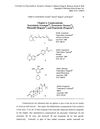
Isotretinoin and tazarotene help treat acne, while minoxidil and finasteride promote hair growth.
 January 2003 in “Postgraduate medicine”
 The article concludes that hair loss has many causes and treatments, with medication options like finasteride and minoxidil for men, and minoxidil, hormones, or iron for women, while warning against unproven remedies.